
Summer adventures bring higher risks of dental injuries. Discover the 5 essential items every family needs in their dental emergency kit for vacations, sports, and outdoor activities.
Share:
Summary:
You’ve planned the perfect summer. Beach trips, camping weekends, youth sports tournaments. Then your daughter takes an elbow to the mouth during soccer practice, and suddenly you’re dealing with a cracked tooth two hours from home.
Summer brings more time outdoors, more physical activity, and unfortunately, more dental emergencies. When you’re away from your regular dentist, knowing what to do and having the right supplies can save a tooth, reduce pain, and prevent a minor issue from ruining your entire vacation. This isn’t about being paranoid. It’s about being ready when accidents happen, because they do.
Summer isn’t just vacation season. It’s also peak time for dental injuries.
Kids are out of school and active in sports camps, swimming, biking, and playground activities. Adults are playing recreational softball, hiking rocky trails, or trying new adventure sports. Everyone’s eating different foods at barbecues and trying harder snacks at outdoor events. Nearly 2 million Americans visit emergency departments each year for dental problems, and summer consistently sees higher numbers.
The combination of increased physical activity, disrupted routines, and being away from regular dental care creates the perfect storm. You’re more likely to crack a tooth on hard candy at a baseball game than during your normal weekday routine. Your son’s more likely to get hit in the mouth during summer basketball camp than sitting in a classroom. These aren’t scare tactics. They’re realities that Hudson Valley families face every June through August.
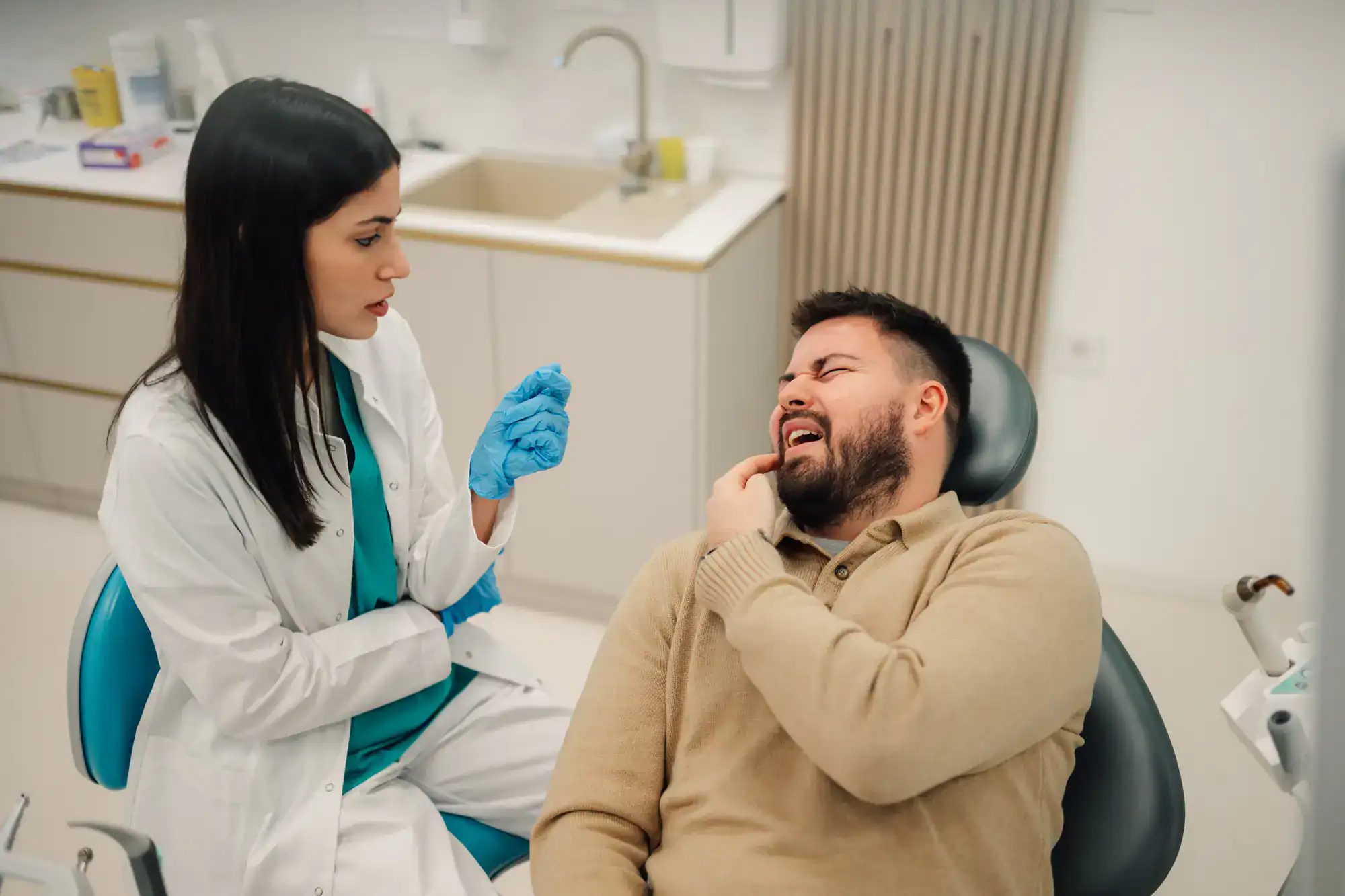
Not all dental emergencies look the same, and summer brings its own specific risks that you won’t encounter during other seasons.
Knocked-out teeth are among the most serious and time-sensitive emergencies you’ll face. More than five million teeth get knocked out every year in children and adults, often during sports or recreational activities. The critical detail most people don’t know is that permanent teeth have the best chance of being saved when placed back in the socket within 15 minutes. After that first hour passes, your chances drop significantly. This is why having the right supplies and knowledge matters so much.
Cracked or chipped teeth happen constantly during summer. Hard foods at cookouts, biting down on ice cubes to cool off, using teeth to open packages during camping trips. Teeth with old fillings or small cracks you didn’t even know existed can fracture from pressure. Hard candies, corn on the cob, and brittle foods place stress on teeth that can cause breaks, especially in teeth with weakened enamel.
Broken crowns and lost fillings create immediate problems. Temperature changes from cold drinks and ice cream can loosen dental work. When a crown falls out, the exposed tooth becomes sensitive and vulnerable to further damage. You need temporary protection until you can reach a dentist.
Severe toothaches don’t wait for convenient timing. An infection that was brewing quietly can flare up during your vacation. Food stuck in a cavity during a camping trip can cause sudden, intense pain. Tooth pain with fever and swelling is a dental emergency that can spread to other areas of your body if left untreated.
Soft tissue injuries to lips, cheeks, tongue, and gums happen frequently during summer activities. These can cause significant bleeding and require immediate attention to prevent infection and control blood loss.
Swimming pool exposure creates its own issues. Spending time in pools with high chlorine levels can affect your teeth. Competitive swimmers face risks of enamel erosion from frequent exposure to acidic pool water. Even recreational swimmers should rinse with fresh water after swimming to protect their enamel.
Understanding which activities carry higher dental injury risks helps you prepare appropriately and take preventive steps before problems occur.
Contact sports top the list. Basketball, soccer, football, baseball, and hockey all involve potential collisions, falls, and impacts. Even non-contact summer sports carry risks. Biking, skateboarding, rollerblading, and scootering can result in falls that impact your face. Swimming and diving accidents can cause dental trauma. Broken jaws and concussions occur not just in obvious contact sports but also in activities like cycling and baseball.
Playground activities and recreational games create unexpected injury situations. Kids climbing monkey bars, swinging, or playing tag can fall and hit their mouths. Adults playing casual volleyball or frisbee can collide with other players or take an unexpected hit.
Adventure activities like rock climbing, zip-lining, kayaking, and mountain biking combine physical exertion with unpredictable elements. A sudden jolt, loss of balance, or equipment failure can result in facial injuries.
The American Association of Endodontists notes that sports-related dental injuries account for a significant portion of adult dental emergencies each year. In areas with active outdoor recreation like the Hudson Valley, water sports, hiking, and beach activities are constant fixtures of summer weekends. Any activity involving contact, speed, or unpredictable falls creates oral trauma risk.
Most people aren’t wearing mouthguards during casual recreational activities, even though they should be. A custom or store-bought mouthguard can protect teeth from chips, cracks, or being knocked out. It’s one of the easiest and most effective ways to prevent painful and expensive emergencies. For kids in organized sports and adults in recreational leagues, this protection is essential.
The reality is simple. Summer means more time outside and more physical activity. More activity means higher injury risk. Being prepared doesn’t mean avoiding these activities. It means having the right protection and emergency supplies when accidents happen.
Want live answers?
Connect with a Scott Kupetz expert for fast, friendly support.
A properly stocked dental emergency kit doesn’t need to be complicated or expensive. You need specific items that address the most common urgent situations you’ll face during summer activities.
Your kit should be portable enough to throw in a beach bag, camping backpack, or sports equipment bag. Everything should fit in a small waterproof container or zipper bag that you can access quickly. The goal is immediate response capability when you’re away from professional dental care.
These aren’t random suggestions. Each item serves a specific purpose for handling real emergencies that families encounter during summer. Having these supplies ready means you can act within those critical first minutes that determine whether a tooth can be saved or whether pain becomes manageable until you reach help.
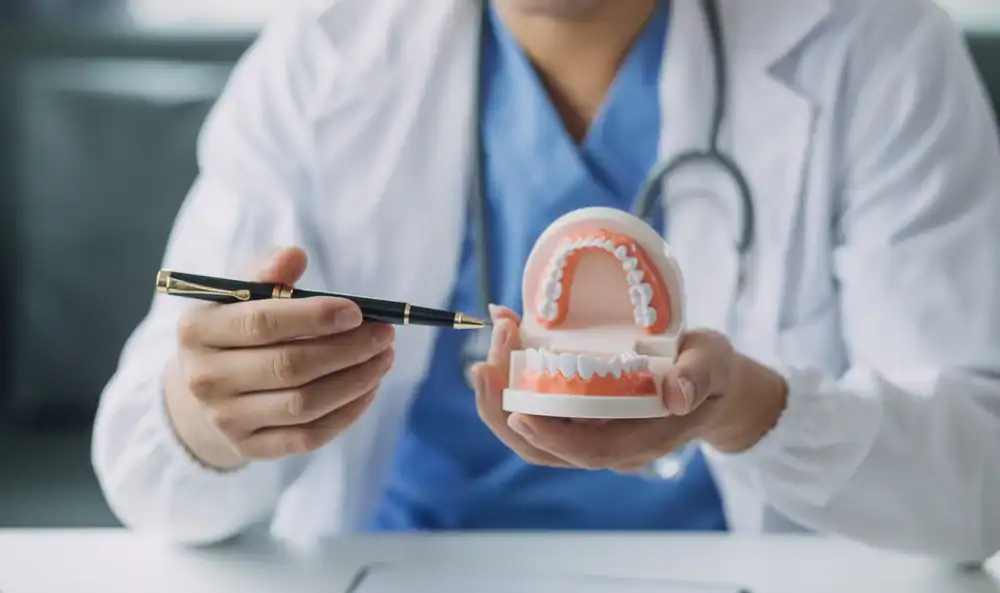
Before you pack anything else, you need immediate access to professional help and a way to preserve knocked-out teeth.
Keep a waterproof card with your dentist’s contact information, including office number and emergency after-hours number. When panic sets in after an injury, you won’t remember phone numbers. Having this information readily available in your kit, in your phone contacts, and written down means you can call for guidance immediately. For Schenectady County families, we offer same-day appointments and 24-hour emergency care, even on weekends and holidays.
Include a small container with a secure lid specifically for tooth preservation. This might be the single most important dental first aid item in your kit for serious emergencies. When a permanent tooth gets knocked out, where you store it and how you transport it directly affects whether it can be saved. The container needs to be clean, have a tight-fitting lid so you don’t spill during transport, and be large enough to hold a tooth submerged in liquid.
Here’s what most people don’t know about knocked-out teeth. You should try to place the tooth back in its socket immediately if possible. Pick it up by the crown, the white chewing surface, never touching the root. Rinse it gently with water or milk if it’s dirty, but don’t scrub it, don’t use soap, and don’t wrap it in tissue. If you can reposition it in the socket, do so immediately and bite down gently on clean gauze to hold it in place.
If you can’t put it back in the socket, the tooth must stay moist at all times. Milk is the number one recommended storage medium. The composition of milk helps maintain the periodontal ligaments, giving you a better chance of successful reimplantation. Fill your container with milk and keep the tooth submerged. Don’t use regular tap water for extended periods because root surface cells can’t tolerate it.
Alternative storage options include placing the tooth between your cheek and gums, though this isn’t ideal for young children who might swallow it. Some families keep emergency tooth preservation kits like Save-a-Tooth in their dental first aid supplies. These specialized solutions maintain the correct pH and calcium levels to keep teeth viable for several hours.
The critical timeframe is 30 minutes to one hour. Teeth treated within this window have the best chance of successful reimplantation. Every minute counts. Having the right container and knowing the proper storage method can literally save a permanent tooth.
Beyond tooth preservation, your dental emergency kit needs items that address pain, bleeding, and temporary protection until you can reach professional care.
Over-the-counter pain relievers are essential for managing dental pain. Include both ibuprofen and acetaminophen in your kit. Ibuprofen is particularly effective for tooth pain relief because it’s an anti-inflammatory medication that reduces both pain and swelling. Acetaminophen relieves pain but doesn’t address inflammation. Having both options gives you flexibility based on the specific situation and any medical conditions or allergies. Always follow the dosage instructions on the package, and never place medication directly on gums or teeth.
Sterile gauze pads or cotton rolls serve multiple critical purposes. They’re essential for controlling bleeding, especially with knocked-out teeth or cuts inside the mouth. Apply gentle pressure to bleeding areas with clean gauze to reduce infection risk and stop blood flow. Gauze also helps hold a repositioned tooth in place and protects damaged teeth from further injury. Pack several individually wrapped sterile pads so you always have clean supplies available.
Dental wax provides immediate relief for orthodontic emergencies and broken teeth. If braces break or wires come loose, sharp edges can cut the inside of your mouth. Dental wax covers these sharp points to prevent further injury and reduce pain. It also works for broken teeth with jagged edges, protecting your cheeks, lips, and tongue from cuts. This small, inexpensive item can transform an extremely painful situation into something manageable until you reach a dentist.
Cold compress materials help reduce swelling and numb pain. You can use a small instant cold pack that activates when squeezed, or simply pack ice in a sealed bag wrapped in a thin towel. Apply the cold compress to the outside of your cheek near the painful area for 15 to 20 minutes at a time. The cold temperature constricts blood vessels and reduces inflammation, providing significant tooth pain relief. This is especially effective for facial swelling, dental trauma, and severe toothaches.
Temporary dental filling material, available at most pharmacies, protects exposed teeth when fillings fall out or crowns break. While this isn’t a permanent solution, it prevents sensitivity, reduces pain, and protects the tooth from further damage until you can see a dentist. Some kits also include temporary cement for reattaching loose crowns. Apply a small amount to the inside of the crown and position it carefully on the tooth, then bite down gently to set it in place.
Additional useful items include dental floss for removing trapped food particles that cause pain, a small dental mirror to see problem areas, and oral numbing gel for temporary pain relief. Hydrogen peroxide, when diluted with equal parts water, creates an antibacterial rinse that reduces swelling and fights infection. These items don’t take up much space but dramatically increase your ability to handle various dental emergencies.
The investment in these supplies is minimal compared to the peace of mind and practical help they provide. You can assemble a complete dental emergency kit for under fifty dollars, and it can last for years. Keep one in your car, one in your camping gear, and one in your beach bag. When a dental emergency happens, you’ll have exactly what you need within reach.
Summer dental emergencies are common, but they don’t have to ruin your vacation or cause permanent damage. The difference between a saved tooth and a lost tooth often comes down to what you do in the first 15 to 30 minutes after an injury.
Having a properly stocked dental emergency kit means you can respond quickly and effectively when accidents happen. You’ll know how to preserve a knocked-out tooth, manage severe pain, control bleeding, and protect damaged teeth until you reach professional care. That preparation reduces panic, prevents complications, and often saves teeth that would otherwise be lost.
Remember that home remedies and emergency supplies are temporary solutions, not replacements for professional dental care. If you experience a dental emergency this summer, contact us immediately for same-day emergency appointments and expert care that we’ve been providing to Hudson Valley families for over 30 years.
Article details:
Share:
Continue learning: