It reduces how hard the jaw muscle can contract. It does not stop grinding or repair worn teeth. Suitability is decided at an examination.
Share:
Summary:
The short answer, before anything else
Masseter Botox reduces how forcefully the chewing muscle can contract. It is used for jaw clenching and the muscle ache associated with it.
It does not stop you grinding or clenching, and it does not repair enamel that has already worn away.
Two things to know up front. In the United States this is an off-label use, because botulinum toxin is not FDA approved for bruxism. And in New York a dentist may provide it when it is related to restoring and maintaining dental health. New York State Education Department guidance states that a licensed dentist is not prohibited from using botulinum toxin in the oral and maxillofacial area if that use is consistent with the dental practice statute and related to restoring and maintaining dental health. The same guidance places stand-alone cosmetic use outside the dental scope, which is covered further down this page.
Masseter Botox comes up in two different conversations: easing clenching and jaw ache, and slimming a square jawline. The treatment is the same injection. The rules about who can provide it, and in what circumstances, are not the same, which is why this page separates them.
Put your fingers on your cheeks just in front of your ears and clench. The band that tightens is the masseter. Its job is to close your jaw.
In some people that muscle works very frequently: clenching during concentration, grinding during sleep, or a habitually tight jaw. Muscles enlarge under sustained load, and an enlarged masseter can be tender and can widen the lower face. NIDCR lists soreness, tightness or tiredness in the jaw muscles among the symptoms of bruxism, along with headache and facial pain.
| What it does | Reduces how forcefully the masseter can contract, which lowers the force reaching the teeth |
| It does not stop grinding or clenching | The muscle activity originates in the nervous system. The 2023 meta-analysis measured reduced biting force, not the habit stopping |
| It does not repair enamel | Wear, chipping and flattening that has already happened is permanent and is restored separately |
| It is not permanent | Published effects last up to 24 weeks, so this is a repeated treatment rather than a one-time one |
A 2023 systematic review and meta-analysis of randomized controlled trials pooled ten studies. Its findings on timing:
The same paper reported that maximal biting force did not differ significantly between the botulinum toxin group and a saline placebo group across the analysis as a whole, while showing differences at specific time points. The authors recommended it as a management option particularly for people who have difficulty tolerating an oral splint or who want earlier symptom relief.
Reviews of this treatment do not all reach the same conclusion. That is a reason to treat it as one option among several rather than a settled answer.
Want live answers?
Connect with a Scott Kupetz expert for fast, friendly support.
These are discussion points for an examination, not an eligibility checklist. Having items from the first list does not mean the treatment is indicated, and the assessment is a clinical judgment.
Points that may support considering it
Points that may count against it, or call for caution
Reducing chewing muscle in someone who does not have an excess of it is not a reasonable trade, and that is one of the reasons a consultation comes first.

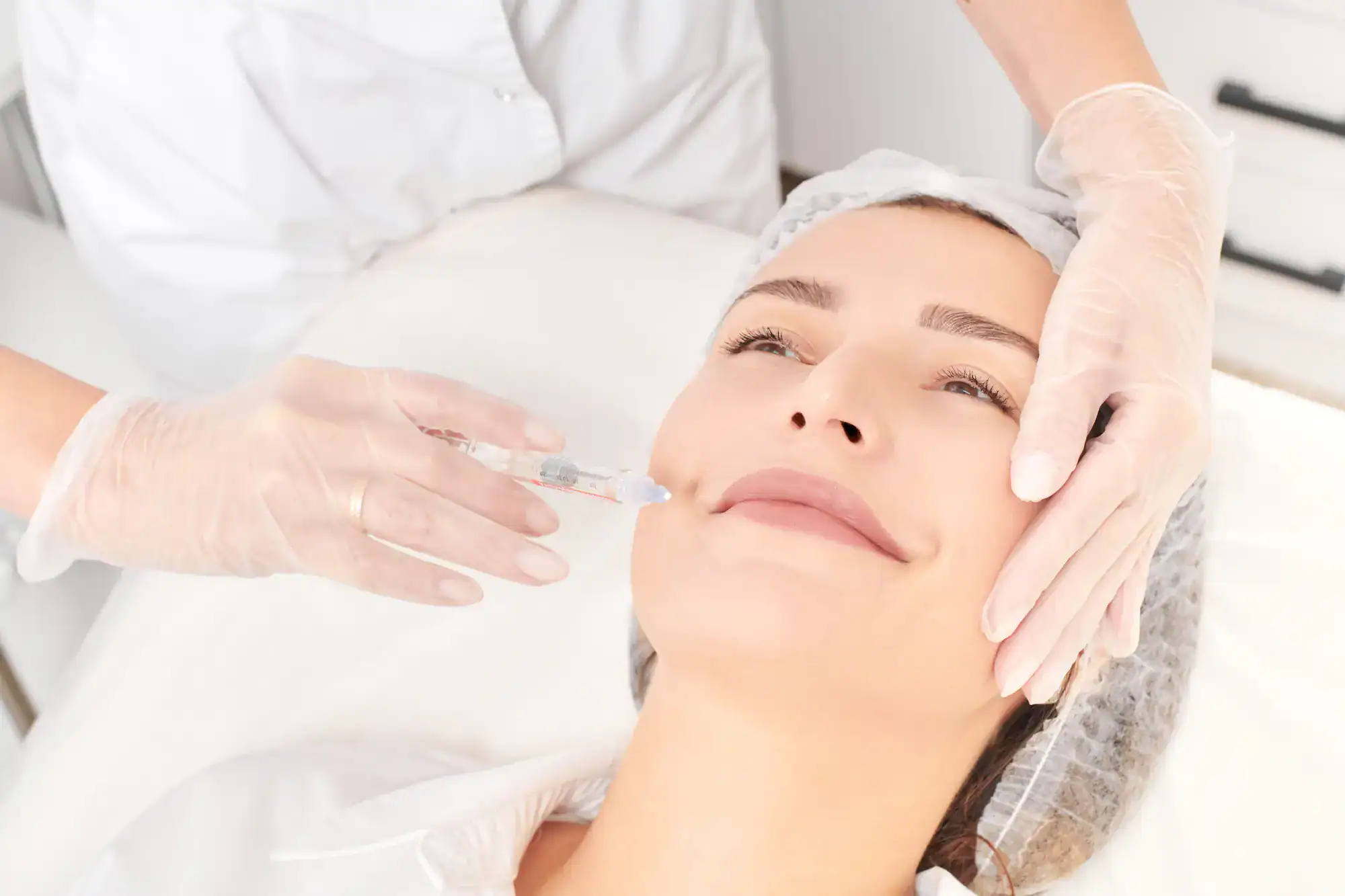
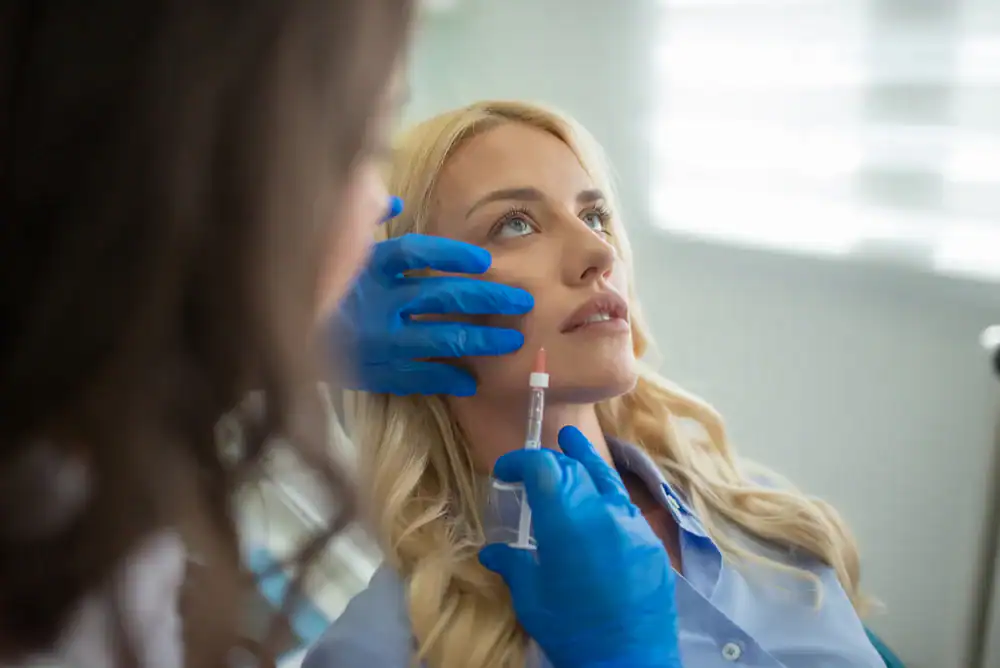
The muscle is felt while you clench, to map where the bulk sits. The points are marked, the skin is cleaned, and a small number of injections are placed into the muscle on each side. The needle is fine and most people describe a brief sting.
Local anesthetic is not usually used for this. Most people return to their usual activities the same day, though individual experience varies and your dentist will tell you what to expect in your case and what to watch for afterwards.
The effect is not immediate. Based on the published evidence above, expect changes within the first few weeks rather than the first few days, with the strongest effect between five and eight weeks. A review appointment lets the muscle be reassessed before any decision about repeating.
A guard and an injection are not the only options. NIDCR lists behavior change to adjust resting jaw position, stress management including counseling, mouth guards, and dental repair for damaged teeth. It also notes that many cases of bruxism are mild and may need no treatment.
Mouth guards are one standard option for protecting the teeth, and NIDCR lists them among its treatments for bruxism. Whether a guard is suitable, and how the options are sequenced, is decided individually at an examination.
Reducing an enlarged masseter does narrow the lower face, and some people are interested in the treatment for that reason alone.
This is where the rules matter. New York State Education Department guidance states that administering botulinum toxin or dermal fillers as stand-alone procedures for esthetics or facial recontouring, without parallel dental reconstructive work on the teeth or jaws, is not within the dental scope of practice. A dentist in New York provides this treatment when it is related to restoring and maintaining dental health.
In practice that means a purely cosmetic jaw-slimming request is not something this office can treat as a stand-alone procedure. If clenching is affecting your teeth or your jaw muscles, that is a dental health question and the conversation is a different one. The honest answer at a consultation may be that the right referral is to a physician rather than a dentist.
Two further points if the treatment does go ahead on dental health grounds. Any change in facial width is gradual and partial, and it reduces muscle bulk rather than altering bone. If the width of your lower face is skeletal rather than muscular, this will do very little.
Book a consultation and ask us to assess the muscle. We will feel it while you clench, look at your teeth for wear, ask about your symptoms, and give you a straight answer about whether this is likely to help, and about the other options worth considering in your case. You can also read more about Botox and masseter treatment.
Dutchess and Ulster County
260 New Hackensack Road
Wappingers Falls, NY 12590
Albany, Rensselaer and Schenectady
1221 Curry Road
Rotterdam, NY 12306
Call 845-431-9115 and say you want to talk about jaw clenching. We accept CareCredit. A consultation is where you find out whether this is suitable, not where you are asked to decide on the spot.
Article details:
Share:
Continue learning: