Dental anxiety doesn't have to keep you from the care you need. Learn how sedation dentistry in Schenectady County makes treatment comfortable, safe, and stress-free.
Share:

Summary:
You know you need dental work. You’ve known for months, maybe years. But the thought of sitting in that chair—the sounds, the smells, the feeling of being trapped—keeps you from picking up the phone. Unfortunately, putting off treatment can sometimes turn a small dental problem into one that requires an emergency dentist.
Here’s what you should know: dental anxiety is common, it’s valid, and it doesn’t have to control your oral health anymore. Sedation dentistry exists specifically for people like you—people who want healthy teeth but need help getting past the fear. Whether you’re dealing with mild nervousness or full-blown panic, there are options that can make your next appointment feel completely different. Let’s talk about what those options actually look like and how they work.
Sedation dentistry isn’t one-size-fits-all. The right option for you depends on your level of anxiety, the procedure you’re having, and how your body responds to medication. Some people just need to take the edge off. Others need deeper sedation to get through more involved work.
The three main types you’ll hear about are nitrous oxide (laughing gas), oral sedation (a pill you take before your appointment), and IV sedation (medication delivered directly into your bloodstream). Each one offers a different level of relaxation, and each comes with its own timeline for how quickly it works and wears off.
We’ll walk you through which option makes sense for your situation. That decision factors in your medical history, the complexity of your treatment, and what you’re comfortable with. The goal is simple: get you the dental care you need without the stress that’s been keeping you away.

Nitrous oxide—you’ve probably heard it called laughing gas—is the mildest form of sedation dentistry. It’s delivered through a small mask that fits over your nose, and you breathe it in mixed with oxygen throughout your procedure.
What makes nitrous oxide dentistry popular is how quickly it works and how fast it leaves your system. Within a few minutes of breathing it in, you’ll start to feel relaxed, maybe a little lightheaded or floaty. Your anxiety drops. The sounds and sensations that normally bother you don’t feel as intense. You’re still awake, still aware of what’s happening, but you’re calm.
We can adjust the level of gas during your appointment to keep you comfortable. Too much relaxation and we’ll dial it back. Not quite enough and we’ll increase it slightly. That control makes it a safe, flexible option.
Once your appointment wraps up, the mask comes off and you breathe regular oxygen for a few minutes. The effects wear off almost immediately—usually within five to ten minutes. That means you can drive yourself home, go back to work, or pick up your kids from school without needing someone to chauffeur you around. For people with mild to moderate anxiety or shorter procedures like cleanings and fillings, nitrous oxide often does the job without disrupting your whole day.
The side effects are minimal. Some people feel a little nauseous if they’ve eaten too close to their appointment, but that’s rare. Most people just feel relaxed and slightly euphoric during the procedure, then back to normal shortly after.
Conscious sedation dentistry typically refers to oral sedation or IV sedation—methods that create a deeper level of relaxation than nitrous oxide while still keeping you awake enough to respond to us.
With oral conscious sedation, you take a prescribed pill about an hour before your appointment. By the time you arrive at the office, you’re already feeling drowsy and calm. You’ll still be conscious during the procedure—you can follow simple instructions and respond to questions—but you’re in a deeply relaxed state. Many patients don’t remember much about the appointment afterward, which can be a relief if the idea of dental work makes you anxious.
The downside is that oral sedation takes longer to wear off. You’ll feel groggy for several hours after your appointment, so you’ll need someone to drive you to and from the office. Plan to take it easy for the rest of the day. Most people feel back to normal within 24 hours.
IV sedation goes a step further. Instead of taking a pill, the medication is delivered directly into your bloodstream through a small needle in your arm or hand. This method works faster than oral sedation and gives us more control. We can adjust your sedation level during the procedure if needed—something that’s not possible with a pill you’ve already swallowed.
With IV sedation, you’re in an even deeper state of relaxation. You’re technically conscious, but you’re barely aware of what’s happening. Most patients have little to no memory of the procedure. It’s ideal for longer appointments, more invasive work, or people with severe dental anxiety who need that extra level of comfort.
Like oral sedation, IV sedation requires a ride home and a recovery period. You’ll feel the effects wearing off within about 12 hours, but you shouldn’t drive or make important decisions for at least 24 hours. We’ll give you specific instructions about what to avoid and when you can return to your normal routine.
Both forms of conscious sedation are safe when administered by a trained professional. Your vital signs—heart rate, blood pressure, oxygen levels—are monitored throughout the procedure to make sure everything stays stable.
Want live answers?
Connect with a Scott Kupetz expert for fast, friendly support.
Dental anxiety isn’t just nervousness. For many people, it’s a real barrier that prevents them from getting necessary care. You’re not being dramatic if the thought of a dental appointment makes your heart race or keeps you up the night before. And you’re definitely not alone—especially here in Schenectady County and the Capital District, where many patients have delayed care for years because of fear.
Studies show that somewhere between 50 and 80 percent of American adults experience some level of dental fear. About one in five people avoid the dentist altogether because of it. That avoidance creates a vicious cycle: you skip appointments, small problems turn into bigger ones, and by the time you finally come in, the treatment you need is more extensive—which only reinforces the fear.
Sedation dentistry breaks that cycle. It gives you a way to receive treatment without the panic, the white-knuckle grip on the armrests, or the overwhelming urge to bolt from the room. For people who’ve been avoiding care for years, it can be life-changing.
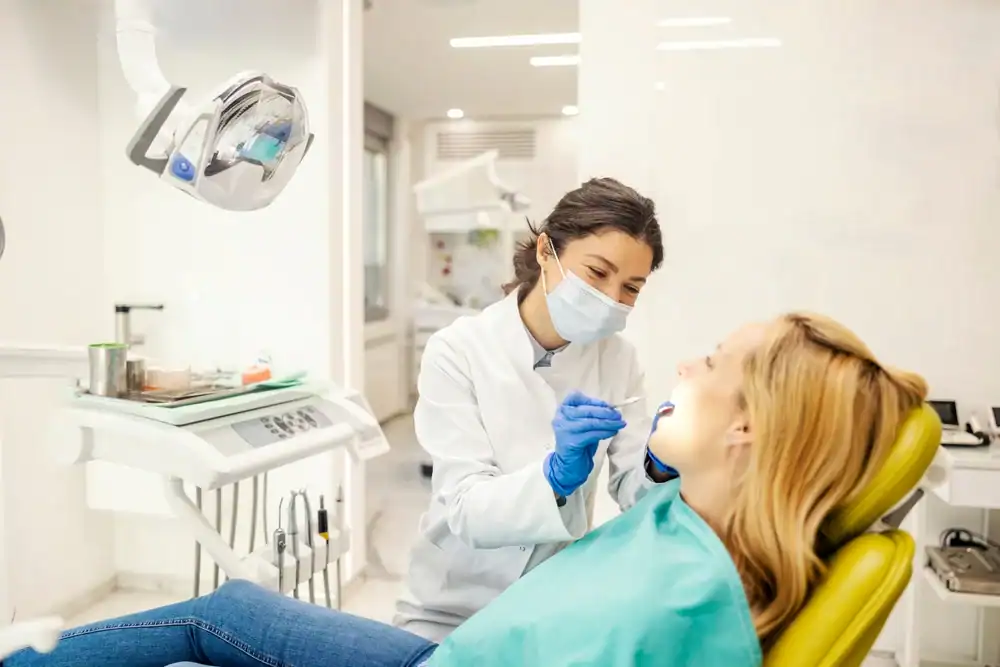
Sedation isn’t just for people with severe dental phobia, though it absolutely helps them. It’s also useful for anyone who struggles to sit through dental work comfortably.
If you have a strong gag reflex, even routine cleanings can feel impossible. Sedation relaxes those reflexes and makes it easier for us to work without triggering that response. If you have trouble sitting still for long periods—whether because of back pain, joint issues, or conditions like ADHD—sedation helps you stay comfortable and calm during longer appointments.
Some people just have a low pain threshold or extra-sensitive teeth and gums. Local anesthetic numbs the area, but it doesn’t always take away the anxiety of feeling pressure or hearing the drill. Sedation adds that extra layer of comfort that makes the whole experience more tolerable.
Then there are the practical benefits. If you need multiple procedures—say, several fillings, a crown, and a deep cleaning—sedation allows us to complete more work in a single visit. Instead of coming back three or four times, you might get everything done in one or two appointments. That’s fewer days off work, less time spent in the chair overall, and less stress for you.
For patients with special needs or medical conditions that make dental visits challenging, sedation can be the difference between receiving care and going without. It creates a controlled, calm environment where treatment can happen safely and effectively.
And if you’ve had a traumatic dental experience in the past—especially as a child—sedation offers a way to rewrite that narrative. You can walk out of an appointment with little to no memory of it, replacing those old, anxious associations with a sense of relief that it’s over and it wasn’t as bad as you feared.
One of the first questions people ask about sedation dentistry is whether it’s safe. The short answer: yes, when it’s done correctly by a trained professional.
Before you’re approved for any type of sedation, we’ll review your medical history. We’ll ask about medications you’re taking, any allergies, and conditions like heart disease, respiratory issues, or sleep apnea. That information helps us determine which sedation option is safest for you and whether any adjustments need to be made.
During your procedure, you’re monitored the entire time. We or a trained team member track your heart rate, blood pressure, and oxygen levels to make sure everything stays stable. If anything looks off, we can adjust the sedation or stop the procedure. Modern monitoring equipment makes this process precise and reliable.
Serious complications from dental sedation are rare. The most common side effects are mild: drowsiness, a bit of nausea, maybe a headache. These typically fade within a few hours as the medication wears off.
Recovery time depends on the type of sedation you received. With nitrous oxide, you’re good to go almost immediately. With oral or IV sedation, you’ll need the rest of the day to recover. We’ll give you specific instructions—things like avoiding alcohol, not driving for 24 hours, and sticking to soft foods if your mouth is numb from local anesthetic.
Most people feel completely back to normal within a day. Some grogginess might linger into the next morning, but by then, the sedation is out of your system and you can return to your usual routine.
The key to safety is working with a dentist who has the proper training and credentials. Not every dentist offers IV sedation because it requires additional certification. When you’re choosing a provider, ask about their experience with sedation, how many patients they’ve treated, and what safety protocols they follow. A good sedation dentist will be upfront about the process, the risks, and what to expect.
Dental anxiety doesn’t have to dictate your oral health. Whether you’ve been avoiding care for years or you just dread your next appointment, sedation dentistry offers a real solution—one that’s safe, effective, and tailored to your specific needs.
The right type of sedation depends on your level of anxiety, the work you need done, and how your body responds to medication. A conversation with us will help you figure out what makes the most sense. What matters is that you have options, and you don’t have to white-knuckle your way through treatment anymore.
If you’re in Schenectady County, Rotterdam, Wappingers Falls, or anywhere in the Capital District and you’ve been putting off dental care because of fear, we’ve been helping patients like you for more than 30 years. As a sedation dentistry specialist with a DMD degree from Fairleigh Dickinson, Dr. Kupetz offers everything from nitrous oxide to deeper sedation options, with the experience, advanced technology, and equipment to keep you safe and comfortable throughout the process. Same-day emergency appointments are available when you need care right away.
Article details:
Share:
Continue learning: