
The six-month rule isn't universal. Your ideal dental checkup frequency depends on your health, habits, and risk factors—not a marketing slogan from the 1950s.
Share:

Summary:
You’ve probably heard you should see the dentist every six months. Maybe you follow that schedule religiously, or maybe you’ve let it slide because you’re not sure if it actually applies to you. Here’s something most people don’t know: that twice-a-year recommendation didn’t come from clinical research. It came from a 1950s Pepsodent advertisement.
Modern dentistry recognizes what makes sense—your mouth is different from everyone else’s, and your checkup schedule should reflect that. Some people can safely extend their visits to once a year. Others need to come in every three months to stay ahead of problems. The difference comes down to your individual risk factors, health conditions, and how well you maintain your oral hygiene at home.
Let’s talk about how to figure out what frequency actually works for you, what you’re getting out of those visits, and when you might need to adjust your schedule.
There’s no universal answer to how often you should visit the dentist. Your ideal schedule depends on a combination of factors that we evaluate during your appointments.
Most dental professionals start with the traditional six-month baseline, then adjust based on what we observe. If you have healthy teeth and gums, practice good oral hygiene at home, and don’t have risk factors like diabetes or smoking, you might be fine with annual visits. On the other hand, if you’re dealing with active gum disease or have a history of frequent cavities, you’ll likely benefit from more frequent monitoring.
The key is working with a dentist who takes time to assess your specific situation rather than applying a one-size-fits-all approach. Your checkup frequency should change as your health changes—what works for you at 30 might not be appropriate at 50, especially if you develop health conditions or start taking medications that affect your oral health.

Certain health conditions and lifestyle factors put you at higher risk for dental problems, which means you’ll need more frequent professional care to stay ahead of issues.
Diabetes tops the list of conditions that require closer dental monitoring. People with diabetes are three times more likely to develop gum disease than those without, and the relationship works both ways—gum disease can make blood sugar harder to control. If you have diabetes, especially if it’s not well-managed, we’ll likely recommend visits every three to four months instead of twice a year.
Smoking dramatically increases your risk for oral health problems. Smokers can be up to 20 times more likely to develop serious gum disease compared to non-smokers, and smoking also impairs your body’s ability to heal after dental procedures. If you use tobacco products, more frequent checkups help catch problems before they progress to tooth loss.
Pregnancy brings hormonal changes that increase inflammation in your gums, making you more susceptible to gingivitis. Most dental professionals recommend at least one visit during your second trimester, and possibly more if you’re experiencing bleeding or swollen gums.
Medications that cause dry mouth also increase your cavity risk. Saliva naturally washes away food particles and neutralizes acids that cause tooth decay. When certain medications reduce saliva production, you lose that protective benefit and may need more frequent professional cleanings to compensate.
Your personal dental history matters too. If you’ve had multiple cavities in the past, tend to build up tartar quickly, or have already been treated for gum disease, you’ll benefit from closer monitoring. The same goes if you have a family history of dental problems—genetics play a role in your susceptibility to cavities and periodontal disease.
Even your diet and oral hygiene habits factor into the equation. A diet high in sugar and refined carbohydrates feeds the bacteria that cause decay. If you’re inconsistent with brushing and flossing at home, professional cleanings become even more critical for preventing problems.
If you’re in the low-risk category for dental problems, you might not need visits every six months. Research shows that people with excellent oral health and no underlying risk factors can safely extend their checkup intervals to 12 or even 18 months without increased risk of cavities or gum disease.
What qualifies you for less frequent visits? You’ll need consistently healthy teeth and gums at your regular checkups, meaning no cavities, no signs of gum disease, and minimal plaque buildup. You should be diligent about brushing twice daily and flossing at least once a day. You don’t smoke, don’t have diabetes or other chronic health conditions that affect oral health, and you’re not taking medications that cause dry mouth.
We also consider how well you respond to professional cleanings. Some people naturally produce more tartar than others, even with good home care. If your hygienist finds significant buildup every time you come in, that’s a sign you need more frequent visits regardless of other factors.
Age plays a role too. Children and teenagers often need more frequent monitoring as their teeth develop and they learn proper oral hygiene habits. Seniors may need closer attention as they become more susceptible to root decay, gum recession, and complications from medications.
The important thing is having an honest conversation with us about your actual habits and health status. Extending your visit frequency only works if you’re genuinely maintaining excellent oral hygiene at home and you don’t have hidden risk factors that could cause problems between appointments.
Want live answers?
Connect with a Scott Kupetz expert for fast, friendly support.
Professional dental cleanings accomplish things you simply can’t do at home, no matter how diligently you brush and floss. Understanding what happens during these appointments helps you appreciate why they’re worth the time and cost.
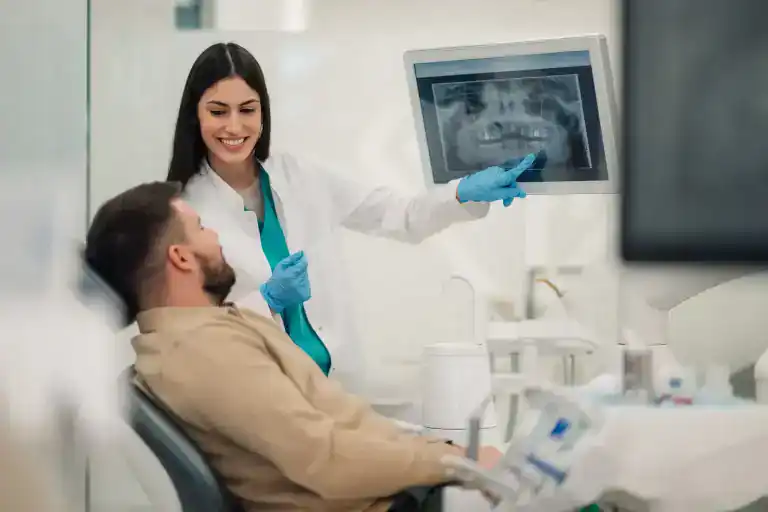
The process starts with a thorough examination. Your hygienist uses a small mirror to check your teeth and gums for signs of inflammation, decay, or other concerns. If they spot anything serious, they’ll consult with the dentist before proceeding with the cleaning.
Once the exam is complete, the actual cleaning removes buildup that your toothbrush can’t touch. Even with excellent home care, you’ll develop some plaque and tartar, and professional tools are the only way to eliminate it completely.

The cleaning process follows a specific sequence designed to thoroughly remove buildup and protect your teeth from future decay.
Scaling comes first. Your hygienist uses a scaler—a specialized tool that scrapes plaque and tartar from your teeth and along your gum line. You’ll hear scraping sounds, which can be unsettling if you’re not expecting them, but the process shouldn’t hurt. If you have significant tartar buildup, they might use an ultrasonic scaler that uses vibrations and water to break up larger deposits.
The amount of time spent scaling depends on how much buildup you have. This is where your home care routine shows—people who brush and floss consistently have less tartar, which means less time with the scaler.
After scaling, your teeth get polished with a high-powered electric brush and gritty toothpaste. This step removes any remaining tartar the scaler missed and eliminates surface stains from coffee, tea, or other foods. The toothpaste has a gritty texture that helps scrub and polish your teeth, and you can usually choose from different flavors.
Professional flossing follows the polishing. Even if you floss at home, having a professional do it serves a purpose—they can get deeper between your teeth and remove any debris left from the earlier steps. This is also when your hygienist checks for areas where your gums bleed, which might indicate early gum disease.
Most cleanings finish with a fluoride treatment. Your hygienist applies a gel, foam, or varnish to your teeth to strengthen enamel and provide extra protection against cavities for several months. The fluoride sits on your teeth for about a minute, then you rinse. If you receive fluoride varnish, it hardens on contact with saliva, so you can eat and drink right away.
The final step is an examination by the dentist. We’ll review what the hygienist found, check for any issues that need attention, and discuss any recommended treatments. This is your opportunity to ask questions about your oral health and get personalized advice for your home care routine.
You might wonder why professional cleanings matter if you’re brushing and flossing every day. The truth is that even perfect home care can’t reach everything that builds up in your mouth over time.
Tartar is the main culprit. It’s hardened plaque that forms when the soft, sticky film on your teeth mineralizes. Once plaque hardens into tartar, brushing and flossing won’t remove it—you need professional tools to scrape it off. Tartar provides a rough surface where more bacteria can accumulate, accelerating decay and gum disease if left in place.
Tartar tends to build up in areas your toothbrush has trouble reaching, like along the gum line and between teeth. Even people with excellent oral hygiene develop some tartar over time. Regular professional removal prevents it from causing damage.
Professional cleanings also catch problems early, when they’re still easy to fix. Your hygienist and dentist can spot the beginning stages of cavities, gum disease, or other issues before you notice any symptoms. A small cavity caught during a routine cleaning might only need a simple filling. That same cavity, left undetected for another year, could progress to the point where you need a root canal or even extraction.
Early detection saves you money in the long run. Preventive care costs a fraction of what you’ll pay for emergency treatments or complex procedures to fix problems that were allowed to worsen. Most dental insurance plans cover preventive visits precisely because they reduce the need for expensive interventions later.
Beyond your teeth and gums, these appointments include oral cancer screening. We examine the soft tissues in your mouth, looking for suspicious patches, lumps, or sores that could indicate early-stage cancer. Catching oral cancer early dramatically improves treatment outcomes, and these screenings are a routine part of your checkup that happens without you even thinking about it.
The connection between oral health and overall health makes these visits even more valuable. Research continues to show links between gum disease and conditions like heart disease and diabetes. Keeping your mouth healthy through regular professional care may help protect your overall health as well.
Your ideal dental checkup frequency isn’t something you’ll find in a magazine article or advertising slogan. It’s a personalized schedule based on your health, habits, and risk factors—and it should evolve as your circumstances change.
The six-month recommendation works well as a starting point for most people, but it’s not a universal rule. Work with us to assess your individual situation. If you have diabetes, smoke, or have a history of gum disease, you’ll likely benefit from more frequent visits. If you have excellent oral health and no risk factors, you might be fine extending to annual checkups.
What matters most is that you’re actually going. Skipping dental visits because you’re unsure of the “right” frequency means you’re missing out on early problem detection, professional cleaning that prevents decay, and oral cancer screening that could save your life.
If dental anxiety has kept you away, know that modern dentistry offers solutions. Sedation options ranging from mild nitrous oxide to deeper IV sedation can help you get through appointments comfortably, even if you’ve avoided the dentist for years.
We’ve been helping Schenectady County families maintain healthy smiles since 1988. With advanced diagnostic technology, multiple sedation options for anxious patients, and convenient locations in Rotterdam and Wappingers Falls, we make it easier to get the preventive care you need on a schedule that actually works for you.
Continue learning: