
Your daily oral hygiene routine is your best defense against cavities, gum disease, and expensive dental work—but only if you're doing it right.
Share:

Summary:
You brush your teeth twice a day. Maybe you floss when you remember. But here’s the question that matters: are you actually preventing problems, or just checking a box?
Most people learned to brush and floss as children and never received updated guidance. The problem is that technique determines results. Brushing harder doesn’t mean cleaner teeth—it can actually damage your enamel. Skipping floss leaves more than a third of your tooth surfaces vulnerable to decay. And those small oversights compound over time, often showing up years later as cavities, gum disease, or worse.
The good news is that improving your oral hygiene doesn’t require more time or expensive products. It requires knowing what actually works and building habits around those practices. Let’s start with the foundation.
Brushing removes plaque—the sticky film of bacteria that forms on your teeth throughout the day. When plaque isn’t removed, it hardens into tartar, which irritates your gums and creates an environment where cavities develop. Regular brushing with the right technique prevents this cycle before it starts.
The American Dental Association recommends brushing twice daily for at least two minutes. Most adults brush for less than a minute and hit the same easy-to-reach areas while missing the spots where problems actually develop. The gum line, the inner surfaces of your teeth, and the backs of your molars get neglected, and that’s exactly where plaque accumulates.
Your brushing technique matters more than how often you brush. The angle of your toothbrush, the pressure you apply, and the motion you use determine whether you’re removing plaque or just spreading it around.
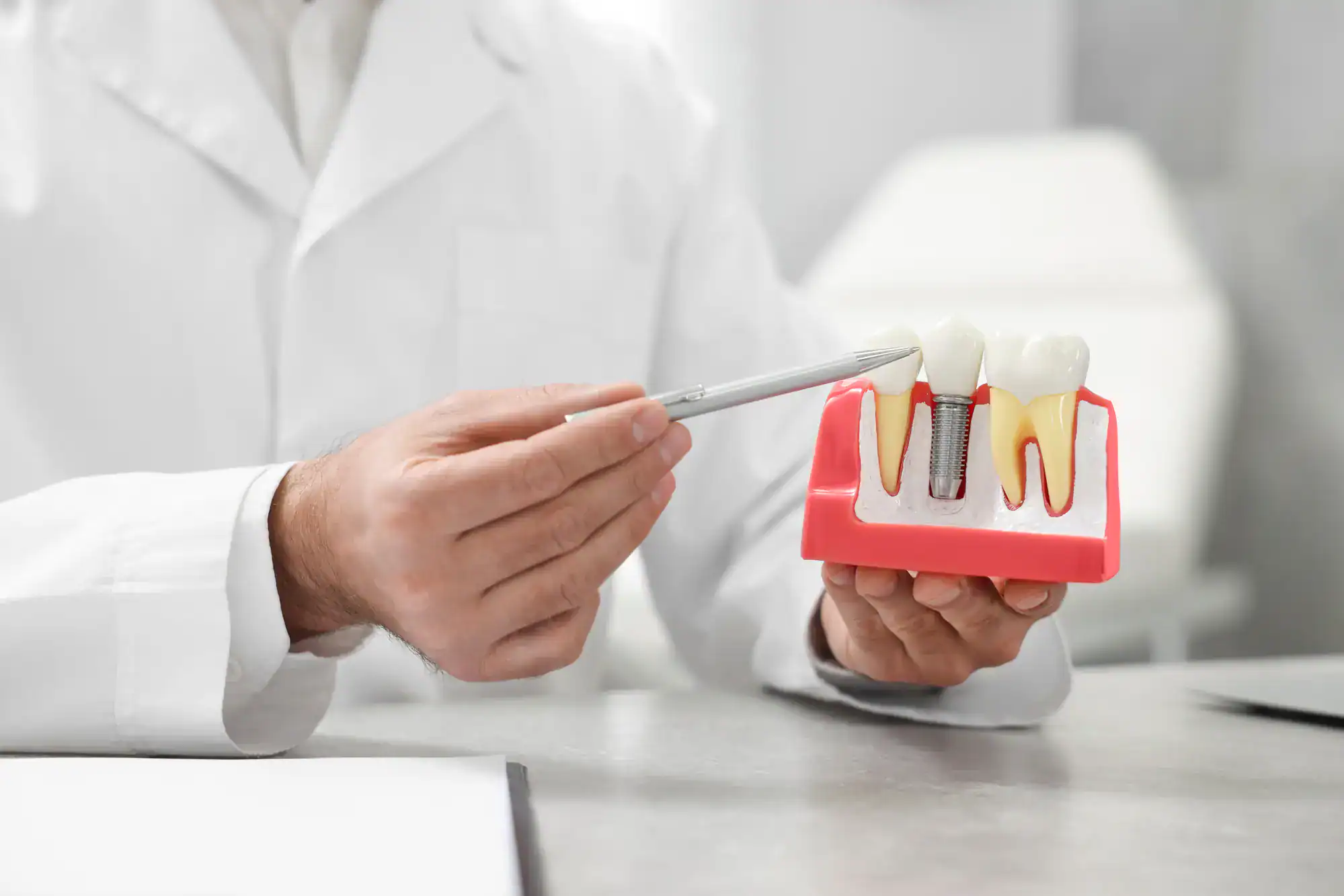
Start with a soft-bristled toothbrush. Hard bristles might feel more thorough, but they damage enamel and cause gum recession over time. Choose a brush head small enough to reach your back molars comfortably. Electric toothbrushes work well, but a manual brush is just as effective with proper technique.
Use fluoride toothpaste—about a pea-sized amount for adults. Fluoride strengthens enamel and helps prevent cavities by making your teeth more resistant to acid attacks from bacteria.
Hold your toothbrush at a 45-degree angle where your teeth meet your gums. This angle allows the bristles to clean along the gum line, where plaque tends to hide. Use gentle circular motions or short back-and-forth strokes. Don’t scrub. Brushing aggressively wears down enamel, irritates gum tissue, and can lead to sensitivity and exposed tooth roots.
Clean the outer surfaces of your upper teeth first, then your lower teeth. Move to the inner surfaces—these get missed often but matter just as much. Brush the chewing surfaces of all your teeth, and don’t forget the backs of your back molars. Finish by gently brushing your tongue to remove bacteria that cause bad breath.
Two minutes feels longer than you think. Use your phone timer or play a song to keep track until the habit becomes automatic. Once you adjust to the full two minutes, you’ll notice how much cleaner and fresher your mouth feels.
Replace your toothbrush every three to four months, or sooner if the bristles fray. A worn toothbrush doesn’t clean effectively and can harbor bacteria that reintroduce problems into your mouth.
Brushing too hard is the most common mistake. Many people think more pressure equals cleaner teeth, but aggressive brushing actually damages enamel and irritates gums. If your toothbrush bristles splay out after a few weeks, you’re brushing too hard. The pressure should feel gentle, almost like massaging your gums.
Using the same brushing pattern every time means you miss the same spots repeatedly. Plaque builds up in those neglected areas, increasing your risk of tooth decay and gum disease. Try starting in a different area of your mouth each session to ensure complete coverage.
Brushing immediately after consuming acidic foods or drinks can harm your enamel. Acids temporarily soften enamel, and brushing right away wears it down faster. If you’ve had citrus fruits, soda, coffee, or tomato-based foods, wait at least 30 minutes before brushing, or rinse your mouth with water first to neutralize the acid.
Not brushing long enough is probably the most widespread issue. Thirty to forty-five seconds doesn’t give you enough time to adequately clean all tooth surfaces. You need the full two minutes. Most people drastically overestimate how long they’re actually brushing.
Skipping your tongue leaves bacteria behind that contribute to bad breath and can transfer back onto your teeth. Gently brushing your tongue takes a few seconds and makes a noticeable difference in mouth freshness and overall oral hygiene.
Want live answers?
Connect with a Scott Kupetz expert for fast, friendly support.
Your toothbrush can’t reach between your teeth or below the gum line. If you’re not flossing daily, you’re leaving more than a third of your tooth surfaces uncleaned. That’s where gum disease starts.
Plaque that sits between teeth hardens into tartar within 24 to 36 hours. Once tartar forms, brushing and flossing can’t remove it—only a professional dental cleaning can. Tartar irritates your gums, causing them to become red, swollen, and prone to bleeding. This is gingivitis, the early stage of gum disease. Left untreated, gingivitis progresses to periodontitis, which damages the bone and tissue supporting your teeth and can lead to tooth loss.
Flossing once a day prevents this progression. It removes food particles and plaque from between teeth before they cause problems. The timing doesn’t matter as much as consistency—whether you floss in the morning or before bed, just make it a daily habit.
If your gums bleed when you floss, that’s usually a sign you’re not flossing regularly enough, not that you’re flossing wrong. Healthy gums don’t bleed from gentle flossing. The bleeding typically stops after a few days of consistent flossing as your gums heal and strengthen. If bleeding continues beyond a week, that’s a signal to schedule a dental appointment.
Start with about 18 inches of dental floss. Wind most of it around one middle finger and the rest around the same finger on your opposite hand. This setup lets you use a clean section of floss for each tooth, preventing you from transferring bacteria from one space to another.
Hold the floss taut between your thumbs and forefingers with about one to two inches of working length. Gently guide the floss between your teeth using a sawing motion. Don’t snap it into your gums—that hurts and can damage delicate gum tissue.
When the floss reaches the gum line, curve it into a C-shape around one tooth. Slide it gently beneath the gum line and move it up and down against the tooth surface. This motion removes plaque that’s accumulated along the gum line and just below it. Repeat the process on the adjacent tooth before moving to the next space.
Don’t skip the backs of your back molars. These areas are easy to forget but just as vulnerable to plaque buildup and gum disease as any other tooth surface.
The entire process should take about two to three minutes once you get the hang of it. Like brushing, it feels awkward at first but becomes quick and automatic with practice.
Traditional string floss works well for most people, but it’s not your only option for cleaning between teeth. If you have braces, bridges, implants, or other dental work, or if dexterity issues make traditional flossing difficult, alternative tools can help you maintain effective oral hygiene.
Floss picks come pre-threaded and easier to maneuver, especially for reaching back teeth. They’re convenient to keep in your car, desk, or purse for cleaning after meals. The downside is that you’re using the same section of floss for multiple teeth unless you rinse it between uses. Make sure to curve the floss around each tooth rather than just poking it straight down between teeth.
Interdental brushes look like tiny bottle brushes designed to fit between teeth. They work particularly well if you have larger gaps between teeth or dental work that creates spaces. They come in various sizes—we can help you choose the right size for your mouth. Gently insert the brush between teeth and move it back and forth several times to remove plaque and debris.
Water flossers use a pulsating stream of water to clean between teeth and below the gum line. They’re especially helpful for people with braces, implants, or bridges because they can clean around hardware that traditional floss struggles to reach. Water flossers also work well if you have arthritis or limited hand mobility that makes traditional flossing painful or difficult. While effective at removing food particles and loose plaque, some dental professionals recommend combining water flossing with traditional floss or interdental brushes for thorough plaque removal.
The best flossing method is the one you’ll use every day. If traditional floss feels like a chore you constantly skip, trying a different tool might be the change that helps you build a consistent preventive dental care routine.
Your daily oral hygiene routine determines your long-term dental health more than any other factor. Brush twice a day for two minutes using proper technique with fluoride toothpaste. Floss once daily to remove plaque from areas your toothbrush can’t reach. These two habits prevent the majority of cavities and gum disease.
Pay attention to your diet as well. Limit sugary and acidic foods and drinks, especially between meals when your teeth don’t have time to recover between acid attacks. Drink water throughout the day—it rinses away food particles, neutralizes acids, and supports saliva production, which naturally protects your teeth from decay.
Don’t skip your regular dental checkups and professional cleanings. Even with excellent home care, tartar can still form in hard-to-reach areas. Professional cleanings remove this buildup before it causes problems, and regular exams catch potential issues early when they’re easier and less expensive to treat.
If you’re in Schenectady County, NY and have questions about your oral care routine or need to schedule a cleaning, we offer comprehensive preventive dental care with over 30 years of experience serving local families in Rotterdam and surrounding communities.
Continue learning: