
Annual preventive dental care costs $200-500 per person but prevents thousands in reactive treatment expenses. Learn how routine cleanings, early detection, and family dentist services protect your wallet and your smile.
Share:
Summary:
You know the feeling. That twinge in your tooth that you’ve been ignoring for weeks, maybe months. It’s not constant, so it’s easy to push the dentist appointment to next month.
Then one day, that twinge becomes pain you can’t ignore. You’re calling for an emergency appointment, rearranging your schedule, and bracing yourself for a bill that’s exponentially higher than what a routine cleaning would have cost.
Here’s what most people in Schenectady County don’t realize until it’s too late: the difference between preventive dental care and reactive treatment isn’t just about discomfort. It’s about thousands of dollars and hours of your life you’ll never get back. Let’s break down what that actually means for your wallet, your time, and your family’s oral health.
Preventive dental care covers the routine services designed to catch problems before they start. This includes your twice-yearly cleanings and exams, digital X-rays that spot issues invisible to the naked eye, and fluoride treatments that strengthen enamel against decay.
Most dental insurance plans cover preventive care at 100% because insurers understand something important: paying for prevention costs them far less than paying for your root canal later. These visits give us the chance to remove tartar buildup that leads to gum disease, check for early signs of oral cancer, and identify cavities when they’re still small enough to fix with a simple filling.
The annual cost for one person typically runs between $200 and $500 when you’re paying out of pocket. With insurance coverage, you’re often looking at zero out-of-pocket expenses for your routine preventive visits. Compare that to the thousands you’ll spend on reactive treatment when problems go undetected.
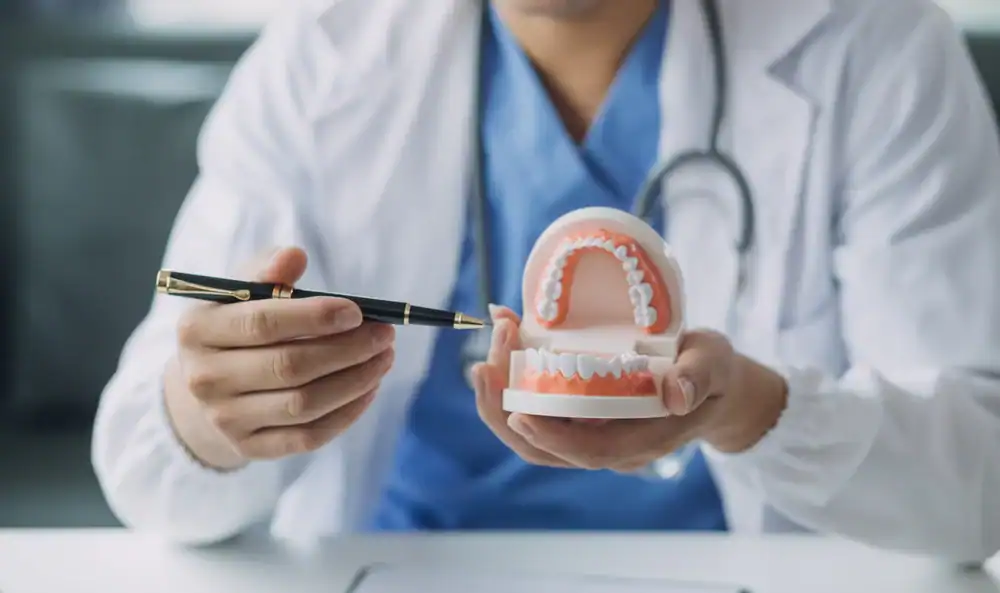
Your hygienist isn’t just polishing your teeth to make them shiny. They’re removing tartar that your toothbrush can’t touch—hardened plaque that sits at your gum line creating the perfect environment for bacteria to thrive and gum disease to develop.
When gum disease progresses untreated, you’re looking at periodontal therapy that can cost $500-$4,000 depending on severity. In advanced cases, you might need gum surgery. Compare that to the cost of a cleaning every six months, which most insurance plans cover completely.
During your exam, we check for cavities using both visual inspection and digital X-rays. A small cavity caught early becomes a filling that costs a few hundred dollars and takes one appointment. That same cavity, left alone for a year or two, can reach the nerve.
Now you need a root canal, which runs $1,000 or more in the Schenectady area, plus a crown to protect the tooth afterward, adding another $1,000-$1,500. The math is brutally simple. A cavity that could have been a $200 filling becomes a $2,500 root canal and crown.
That’s not including the time you’ll spend in the chair or the days of recovery. Regular cleanings catch these issues when they’re still manageable, before they spiral into emergencies that disrupt your work schedule and drain your savings. Research backs this up: for every dollar spent on preventive dental care, patients save between $8 and $50 in restorative and emergency treatments.
Those aren’t theoretical numbers. They represent real people in Rotterdam, Scotia, and Niskayuna who avoided real pain and real expenses by showing up for routine care instead of waiting until something hurt.
Nearly 90% of dental issues are preventable with timely care. That statistic should change how you think about dental appointments. The problems that send people to the emergency room or require extensive reconstruction almost always started as something small and fixable.
We can spot early signs of oral cancer during a routine exam—a screening that could literally save your life. We can identify bite problems that, if left uncorrected, will wear down your teeth and require crowns or veneers years down the line. We can catch the beginning stages of gum disease when it’s still reversible with improved home care and a professional cleaning.
Here’s what most people don’t know: serious dental problems are often completely silent in their early stages. You won’t feel pain. You won’t notice anything wrong. By the time symptoms appear, the issue has usually progressed to the point where treatment is more complex, more expensive, and more time-consuming.
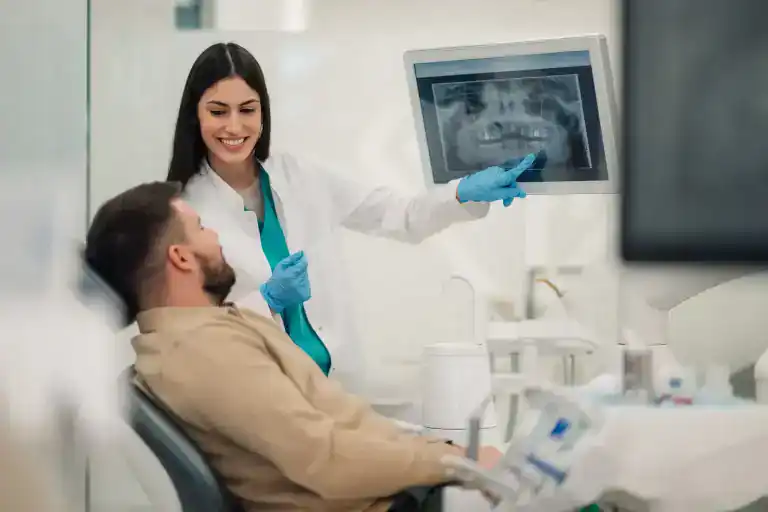
A routine exam gives us the chance to find these hidden problems before they become emergencies. Digital X-rays reveal decay between teeth that you can’t see or feel. A thorough gum examination measures pocket depths that indicate whether gum disease is developing. An oral cancer screening checks for abnormalities in soft tissue.
This is why “no pain means no problem” is one of the most dangerous misconceptions in dentistry. Pain is often a late-stage symptom. By the time something hurts, you’ve usually moved past the simple fix and into the realm of extensive treatment that requires multiple appointments, significant recovery time, and costs that run into thousands.
Early detection through regular preventive care keeps you in the simple fix category. It’s the difference between a one-hour appointment and weeks of dental work. It’s the difference between minimal discomfort and serious pain. And it’s the difference between a manageable expense and a financial burden.
Want live answers?
Connect with a Scott Kupetz expert for fast, friendly support.
Family dentist services are designed to provide comprehensive preventive care for all ages under one roof. This approach makes routine dental care more convenient and more consistent, which directly impacts your long-term costs and oral health outcomes.
When your entire family sees the same dentist, we become familiar with your family’s dental history and risk factors. We know which family members are prone to cavities, who has a history of gum disease, and which children might need orthodontic intervention. This familiarity allows us to create personalized preventive strategies that address your specific needs.
The convenience factor matters more than you might think. When you can schedule appointments for multiple family members at the same location—whether that’s in Rotterdam or another Schenectady County community—you’re more likely to keep those appointments. Consistency is what makes preventive care work. Missing appointments because they’re inconvenient is one of the main reasons people slip from preventive patterns into reactive treatment cycles.
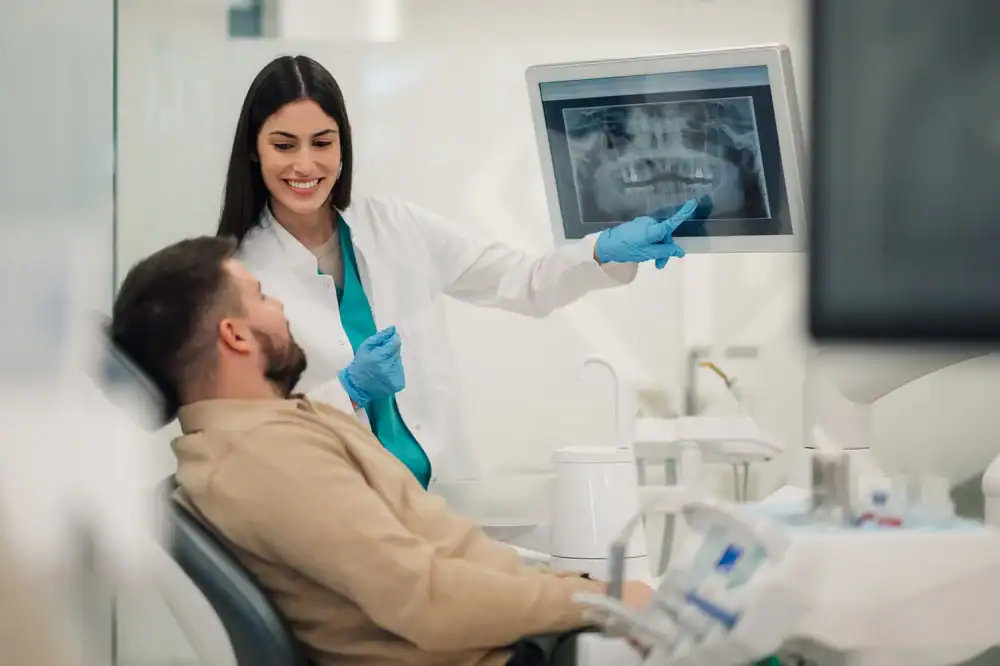
Family cosmetic dentistry services play a preventive role that many people don’t realize. Addressing cosmetic concerns like chips, gaps, or misalignment isn’t just about appearance—these issues can affect your bite, cause uneven wear on your teeth, and create areas where plaque accumulates more easily.
When teeth are properly aligned and free from chips or cracks, they’re easier to clean effectively. That means less risk of cavities developing in hard-to-reach areas. When your bite is balanced, you avoid excessive wear on certain teeth that can lead to fractures, sensitivity, and the need for crowns down the line.
Cosmetic family dentistry treatments like bonding can seal small chips before they become larger breaks. Veneers can protect teeth that have thin or damaged enamel. Even teeth whitening serves a preventive purpose—when you’re proud of your smile, you’re more motivated to take care of it through regular brushing, flossing, and dental visits.
For children and teens, addressing alignment issues early through family cosmetic dentistry can prevent more serious problems in adulthood. Crowded teeth are harder to clean and more prone to decay. Bite problems can cause jaw pain, headaches, and uneven tooth wear. Correcting these issues during development is less invasive and less expensive than addressing them later.
Adults benefit from cosmetic family dentistry that restores both function and appearance. A cracked tooth that’s repaired with bonding or a crown doesn’t just look better—it’s protected from further damage and decay. Missing teeth that are replaced with implants or bridges don’t just fill gaps in your smile—they prevent the bone loss and tooth shifting that occurs when gaps are left untreated.
The key is understanding that cosmetic and preventive care aren’t separate categories. They overlap significantly. Many cosmetic treatments serve protective functions. Many preventive treatments improve appearance. When you work with a family dentist who offers both, you get comprehensive care that addresses all aspects of your oral health.
This integrated approach is particularly valuable for families. Parents can address their own cosmetic concerns while ensuring their children receive preventive care like sealants and fluoride treatments. Teenagers can explore options like clear aligners while maintaining their regular cleaning schedule. Everyone benefits from convenient, coordinated care.
Dental anxiety affects 30-80% of adults to some degree, with 3-16% experiencing severe dental phobia. If fear has kept you from scheduling preventive care, you’re not alone—and you’re not stuck with that fear.
Sedation dentistry makes it possible for even the most anxious patients to receive comfortable, stress-free preventive care. We offer options ranging from nitrous oxide (laughing gas) for mild anxiety to oral sedation for moderate anxiety to IV sedation for severe dental phobia. The right option depends on your anxiety level and the procedure you need.
Here’s why this matters for preventive care: when you can manage your anxiety, you can maintain regular appointments. When you maintain regular appointments, you avoid the cycle where small problems become major emergencies. Research shows that 41% of patients skip dental appointments due to anxiety, and those who avoid care are far more likely to need extensive, expensive treatment later.
Sedation options make preventive care accessible. A routine cleaning that might have felt impossible becomes manageable. An exam that would have triggered panic becomes comfortable. You can finally break the avoidance cycle and get back on track with preventive care before problems develop.
For families in Schenectady County and Dutchess County, finding a dentist who specializes in both family dentist services and sedation dentistry means everyone can receive the care they need comfortably. Children with dental anxiety can have positive early experiences that set them up for a lifetime of good oral health. Adults who’ve avoided the dentist for years can finally address their needs without fear.
The financial impact of overcoming dental anxiety through sedation is significant. When you can tolerate preventive care, you avoid the expensive reactive treatment that results from years of neglect. You catch problems early when they’re simple fixes instead of waiting until they become complex cases requiring multiple procedures.
The evidence is overwhelming. Preventive dental care costs less, saves time, and protects your long-term oral health in ways that reactive treatment never can. Individuals with five continuous years of preventive care experience 43% lower dental costs compared to those who receive no preventive care.
Every dollar you invest in routine care saves you multiple dollars in emergency and restorative work down the line. Every appointment you keep prevents future appointments that are longer, more uncomfortable, and significantly more expensive. Every small problem you catch early is one less major problem you’ll face later.
If dental anxiety has kept you from scheduling regular appointments, sedation options make comfortable care possible. If cost has been a barrier, remember that most insurance plans cover preventive services at 100%, and financing options like CareCredit can make care accessible even without insurance. If convenience has been an issue, our family dentist services at dual locations make it easier to fit appointments into your schedule.
The choice comes down to this: invest a small amount of time and money now in preventive dental care, or pay significantly more later when problems that could have been prevented require extensive reactive treatment. Your future self—and your bank account—will thank you for choosing prevention. At our Schenectady County, NY practice, we provide the preventive care, sedation options, and expertise your family needs to maintain healthy smiles without breaking the budget.
Continue learning: