Tooth pain doesn't wait for convenient timing. Discover practical relief strategies, emergency dental kit essentials, and when summer tooth pain needs immediate professional care.
Share:
Summary:
That sharp jolt while biting into a sandwich at the campsite. The throbbing ache that starts halfway through a hike on Bear Mountain. The sensitivity that hits when you’re enjoying ice cream with the kids after a day at the lake.
Tooth pain has terrible timing, especially during summer when you’re supposed to be making memories, not dealing with dental emergencies. If you’re reading this right now, chances are you or someone you care about is dealing with discomfort that won’t quit.
Here’s what you need to know: some tooth pain can wait for a regular appointment, but some can’t. The difference matters more than you might think. Let’s talk about how to handle sudden dental pain this summer, what actually helps when you’re away from professional care, and when it’s time to stop waiting and get real help.
Summer in the Hudson Valley brings families outdoors. Hiking the Wallkill Valley Rail Trail. Biking through Minnewaska State Park. Swimming, camping, and all the activities that make warm weather worth the wait.
It also brings dental emergencies that don’t care about your vacation plans.
A knocked-out tooth from a mountain bike spill. A cracked molar from biting down on something hard at a barbecue. An abscess that flares up when you’re two hours from home. These aren’t rare occurrences. They happen to active people who weren’t expecting their weekend to include a dental crisis.
The pattern is predictable: longer days outside, more physical activity, dehydration that affects your mouth’s natural defenses, and foods that stress your teeth in ways your regular routine doesn’t. Add in the fact that most dental offices operate on weekday schedules, and you’ve got a recipe for problems that need solving when help isn’t immediately available.
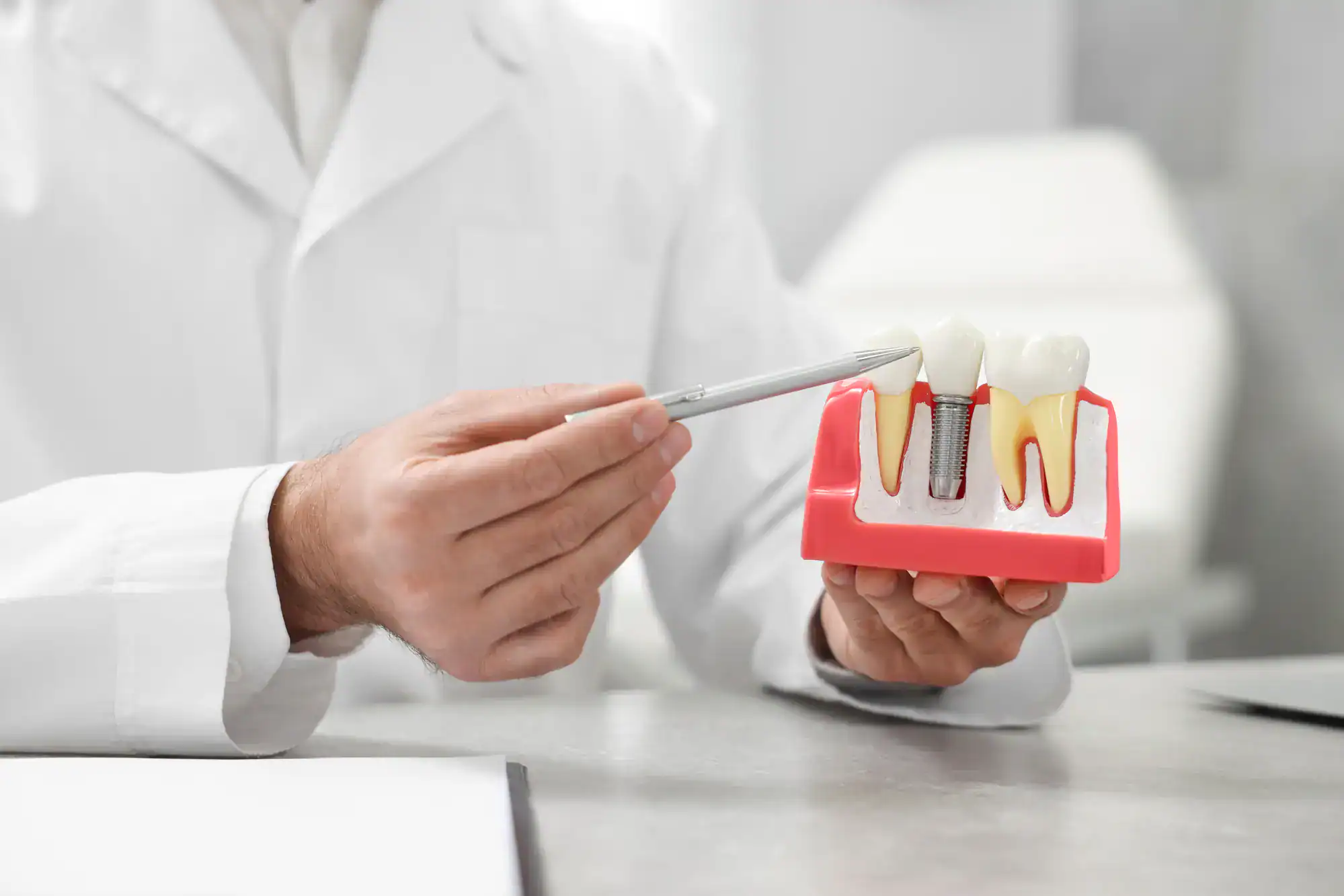
Let’s start with what you can actually do when tooth pain hits and you’re not near a dentist. These aren’t permanent fixes. They’re bridges to get you through until you can access professional care.
For general tooth pain, rinse your mouth with warm water first. Not hot, not cold, just comfortably warm. This clears out anything that might be irritating the area. If you’ve got dental floss handy, use it gently around the painful tooth—sometimes food trapped between teeth causes pressure that feels worse than it actually is.
A cold compress on the outside of your cheek helps with swelling and numbs the area temporarily. Hold it there for 15 minutes, take a break, repeat as needed. Over-the-counter pain relievers like ibuprofen work for inflammation and discomfort, but follow the dosage instructions and never put aspirin directly on your gums—it burns tissue and makes things worse.
If a filling falls out, you can use temporary dental cement from a pharmacy to protect the exposed area. If a crown comes loose, try to slip it back on using a tiny bit of toothpaste or denture adhesive to hold it in place temporarily. Clean it first, and don’t use super glue or anything not designed for dental use.
For a knocked-out tooth, time matters more than almost anything else. Pick it up by the crown (the part you see when it’s in your mouth), not the root. If it’s dirty, rinse it gently with water—don’t scrub it. If you can, try to put it back in the socket right away. If that’s not possible, keep it moist in milk or hold it in your mouth next to your cheek. You’ve got about an hour for the best chance of saving it, which means this is a “drop everything and get to a dentist” situation.
Bleeding from a dental injury needs pressure. Use clean gauze or a clean cloth, apply firm pressure to the area, and hold it for 10-15 minutes. If bleeding doesn’t slow down or stop, that’s another sign you need professional help immediately.
These steps buy you time. They don’t replace actual treatment. Think of them as what you do in the gap between “this hurts” and “I’m in the dentist’s chair.”
If you’re heading out for summer adventures in the Hudson Valley—camping in the Catskills, hiking Mount Beacon, or spending a weekend exploring trails—you probably pack a first aid kit. You should also pack dental first aid supplies.
Most people don’t think about this until they need it, which is exactly when it’s too late to assemble one. A basic emergency dental kit doesn’t take up much space and covers the most common problems you might face when you’re away from civilization.
Start with temporary filling material or dental cement. You can find this at most pharmacies. It’s designed to seal cavities or secure loose crowns temporarily. Add dental wax, which covers sharp edges from broken teeth or protruding wires if you have braces. This prevents cuts to your tongue and cheeks.
Include pain relief options: benzocaine gel for numbing (brands like Orajel work), and a small container of ibuprofen or acetaminophen. Throw in some sterile gauze pads, cotton rolls, and dental floss. A small plastic container is essential—if a tooth gets knocked out, you need something to store it in with milk or saliva.
Don’t forget the basics that help with general oral hygiene when you’re camping: a travel toothbrush, small toothpaste, and materials for making a saltwater rinse (a small bottle of water and individual salt packets work). Some people add clove oil, which has natural numbing properties, though it tastes terrible and should be used sparingly.
The whole kit fits in a small waterproof pouch. Most outdoor retailers sell pre-made dental emergency kits, or you can assemble your own for less money. Either way, keep it with your regular first aid supplies and check expiration dates once a year.
Here’s the thing about emergency dental kits: you hope you never open it. But if you need it on day two of a camping trip when your filling falls out, you’ll be glad it’s there. It won’t fix the problem permanently, but it’ll make the situation manageable until you can get back to professional care.
Want live answers?
Connect with a Scott Kupetz expert for fast, friendly support.
Not every toothache is an emergency. A dull ache that comes and goes, minor sensitivity to cold, a small chip that doesn’t hurt—these can usually wait for a regular appointment during business hours.
But some situations can’t wait. Knowing the difference keeps small problems from becoming serious ones.
Severe, persistent pain that doesn’t respond to over-the-counter medication is a red flag. If you’ve taken ibuprofen according to the directions and the pain is still intense hours later, something’s wrong that needs professional attention. Pain that wakes you up at night or prevents you from functioning normally during the day falls into this category.
Swelling is another clear signal. If your face, jaw, or gums are swelling—especially if it’s getting worse—you’re likely dealing with an infection. Swelling that makes it hard to swallow or breathe is a medical emergency that requires immediate care, potentially at an emergency room. Fever combined with dental pain also suggests infection that’s spreading.
Let’s get specific about what constitutes a true dental emergency versus what can wait a day or two for a regular appointment.
Bleeding that won’t stop after 15 minutes of pressure needs immediate attention. A little bleeding after a tooth injury is normal. Continuous bleeding that soaks through gauze repeatedly is not normal and suggests damage that requires professional treatment.
A knocked-out permanent tooth is time-sensitive. You’ve got roughly one hour for the best chance of saving it. After that, the odds drop significantly. This isn’t a “wait and see” situation—it’s a “call the dentist right now” situation, even if it’s Sunday.
Abscesses are infections that form pockets of pus, usually at the root of a tooth or in the gums. They’re painful, they cause swelling, and they won’t resolve on their own. Left untreated, the infection can spread to other parts of your body. If you’ve got a painful bump on your gums, persistent bad taste in your mouth, or swelling that’s warm to the touch, you’re looking at a likely abscess that needs drainage and antibiotics.
Trauma to your jaw or face that affects your teeth also warrants immediate care. If you’ve been in an accident, taken a fall, or been hit in the face and your teeth feel loose, your bite feels wrong, or you’re experiencing significant pain, don’t wait. Delayed treatment for jaw injuries can lead to complications that are harder to fix later.
Here’s a practical test: if you’re asking yourself “Is this bad enough to call the dentist?” the answer is probably yes. We’d rather you call and hear “you can wait until tomorrow” than have you delay care for something that needed immediate attention.
When dental pain crosses from uncomfortable to unbearable, you need access to care that doesn’t make you wait three days for an opening. This is where emergency dental services differ from regular dentistry.
Same-day appointments exist specifically for situations that can’t wait. Severe pain, infections, trauma, knocked-out teeth—these are the scenarios we prioritize. The goal isn’t necessarily to complete all treatment in one visit, though sometimes that’s possible. The immediate goal is to stop the pain, address the urgent issue, and stabilize your condition.
In Schenectady County and the surrounding Hudson Valley area, emergency dental access varies by practice. Some dentists reserve slots in their daily schedule for emergency cases. Others offer extended hours or weekend availability specifically for urgent situations. A few provide after-hours contact for registered patients who experience emergencies outside business hours.
What you should know before you need it: not all dental offices offer true emergency services. Calling your regular dentist during a crisis only to discover they can’t see you until next week doesn’t help when you’re in pain now. This is why it’s worth identifying emergency dental resources before you need them.
Look for practices that explicitly state same-day emergency appointments, weekend availability, or after-hours emergency care. Ask about the process: Do you call a regular number? Is there an emergency line? What happens if you need help on Sunday?
Cost is a legitimate concern when you’re facing unexpected dental treatment. Emergency visits typically cost more than regular appointments, but they’re significantly less expensive than emergency room visits—which often can’t provide definitive dental treatment anyway. We work with dental insurance and offer financing options like CareCredit for patients who need to spread out payment.
The difference between managing pain at home with temporary measures and getting professional emergency care often comes down to this: home remedies help you cope until you can see a dentist, but they don’t fix the underlying problem. An infection doesn’t go away because you took ibuprofen. A cracked tooth doesn’t heal itself. Professional treatment addresses the cause, not just the symptoms, which means you’re actually solving the problem instead of just surviving it.
Summer dental emergencies don’t announce themselves in advance. They show up during camping trips, on hiking trails, at weekend barbecues, and late Saturday nights when regular dental offices are closed.
The practical approach is simple: know basic dental first aid for temporary relief, pack an emergency dental kit if you’re heading into the outdoors, and understand when pain crosses the line from “uncomfortable” to “needs immediate professional attention.”
You can manage some situations at home temporarily. Others require same-day care from someone who can actually fix the problem, not just mask it. The difference matters.
If you’re dealing with severe tooth pain, swelling, trauma, or any dental emergency that can’t wait for a Monday morning appointment, we offer same-day emergency dental services in both Rotterdam and Wappingers Falls. With over 30 years of experience and genuine availability when you need it—including Sundays for serious situations—you don’t have to choose between suffering through the weekend or sitting in an emergency room that can’t provide dental treatment.
Article details:
Share:
Continue learning: