The back-to-school rush doesn't have to include dental emergencies. This children dental care checklist helps Schenectady County, NY parents schedule checkups strategically, use expiring insurance benefits, and tackle school requirements before September.
Share:

Summary:
School starts in weeks. You’ve tackled the supply list, labeled lunch boxes, and mapped out carpool schedules. But here’s what often gets overlooked until it becomes a problem: your child’s dental checkup.
Tooth pain doesn’t wait for convenient timing. Neither do cavities. And by the time your child is complaining about discomfort, you’re looking at missed school days, emergency appointments, and treatments that could have been prevented.
Scheduling children dental care before school starts isn’t about perfection. It’s about catching problems early, using insurance benefits that disappear at year-end, and giving your child the best shot at focusing on learning instead of dealing with a toothache in October.
Timing determines whether this appointment happens smoothly or becomes another source of stress. Schedule too late, and you’re fighting for spots with every other family who remembered dental care in mid-August. Book during the first week of school, and your child misses class while trying to adjust to new teachers and routines.
The window that works is now through early August, before school starts. If your child’s last cleaning was in spring, they’re due anyway. Most children need dental checkups every six months. Early scheduling also gives you flexibility if treatment is needed—you’re not rushing to fit fillings or sealants between soccer practice and homework.
You also avoid the November and December rush when families scramble to use expiring insurance benefits before January 1st.
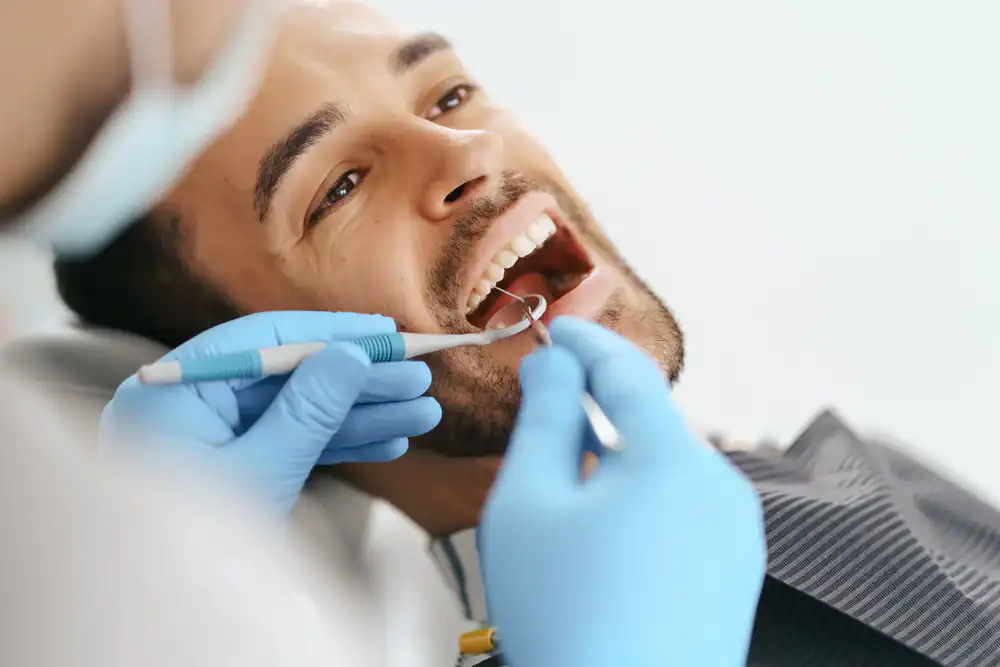
The appointment starts with a professional cleaning. Our hygienist removes plaque and tartar buildup that regular brushing can’t eliminate, flosses between teeth, and polishes away surface stains. This typically takes 15 to 20 minutes.
Then comes the exam. We check each tooth for decay, examine gums for signs of disease, and assess how teeth are aligning. For school-aged children, this matters because permanent teeth are emerging and we can catch orthodontic issues early. We’ll also review your child’s brushing and flossing habits, asking about technique and frequency. This isn’t a lecture. It’s personalized guidance based on what we’re seeing.
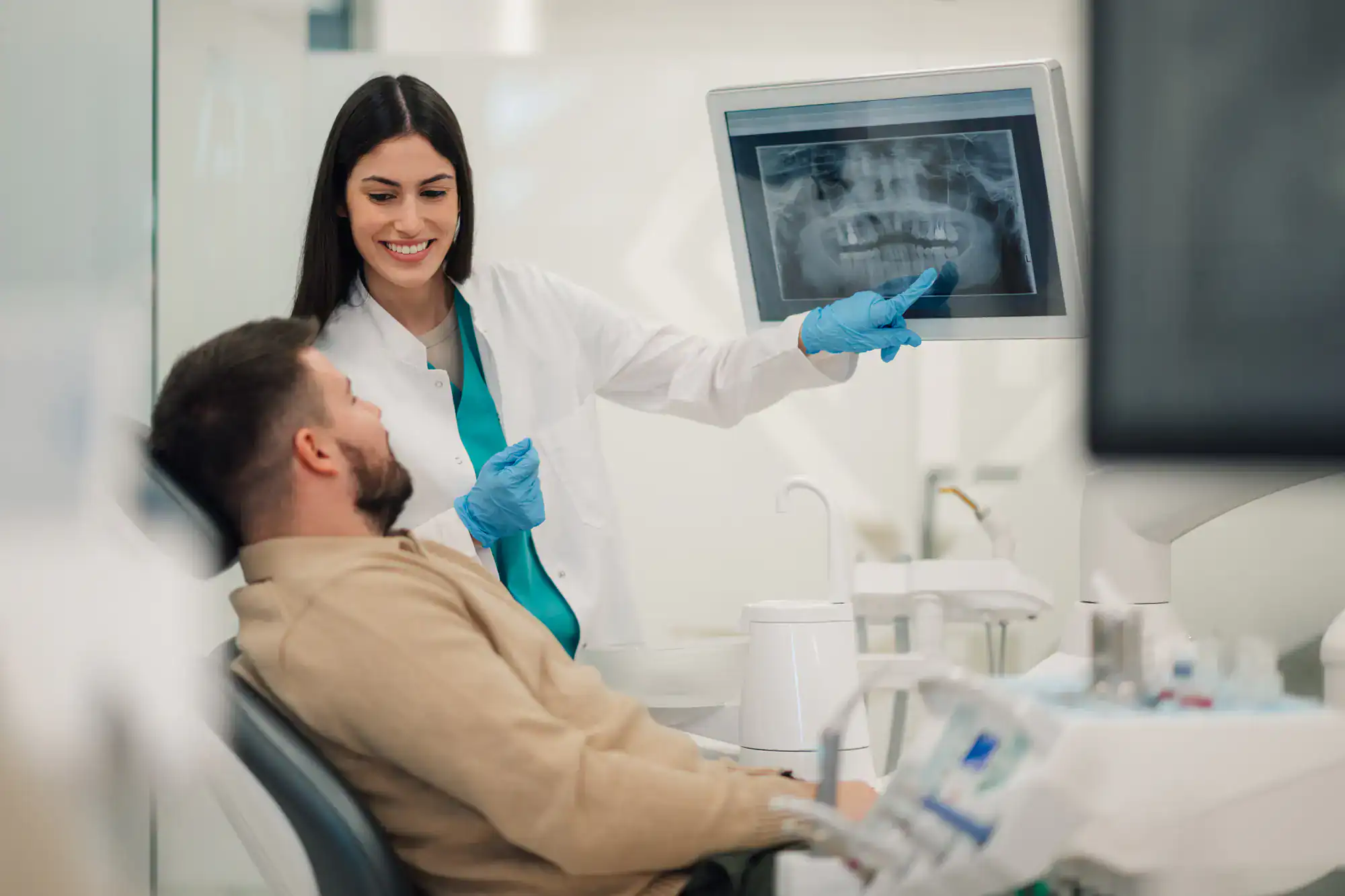
X-rays might be recommended depending on age and dental history. Digital X-rays show what’s happening below the gum line and between teeth—areas a visual exam can’t reach. They use minimal radiation and provide instant results.
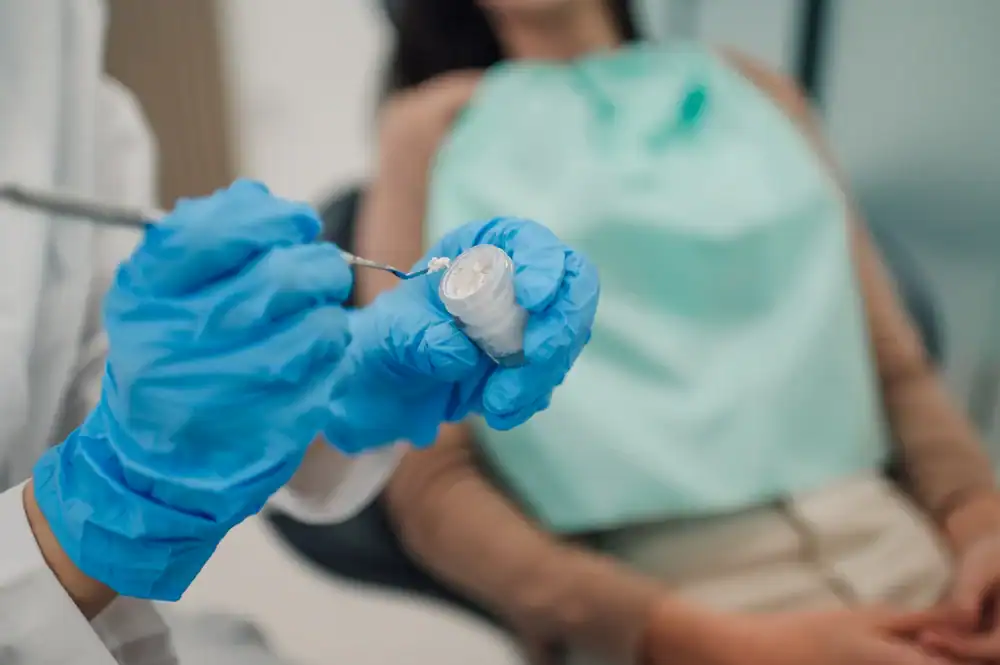
Preventive treatments often follow. Fluoride varnish strengthens enamel and protects against decay. For children with permanent molars, dental sealants are common. These thin coatings go on the chewing surfaces of back teeth and reduce cavity risk by 80%. The application is quick and painless.
The entire dental checkup usually runs 30 to 45 minutes. Most kids handle it well when they know what’s coming.
You don’t want your child missing the first day of school or falling behind in a new class because of a dental appointment. You also don’t want to skip necessary care because scheduling feels impossible.
The solution: book before school starts. Late July through early August works for most families. Your child is still on summer break, so there’s zero conflict with academics. You’re also ahead of fall sports seasons that typically begin in late August.
If you must schedule during the school year, early morning appointments minimize disruption. We start seeing patients at 7 or 8 a.m., which means your child can be back at school by mid-morning. Days with early dismissal or school closures are also smart options.
Avoid scheduling right after school, especially for younger children. A tired, cranky six-year-old isn’t going to cooperate well, and that negative experience creates anxiety for future visits. Morning appointments when kids are alert work better.
If your child needs more than a routine cleaning—fillings, sealants, or other treatment—ask us about splitting it into shorter appointments instead of one long session. This is easier on your child and your schedule.
Keep your school calendar accessible when booking. We keep local district calendars on hand specifically to help parents avoid conflicts. We also provide excuse forms for school absences if needed.
One more thing: don’t stack dental appointments between stressful activities if your child experiences dental anxiety. A rushed, anxious child has a harder time, which reinforces negative associations with dental care.
Want live answers?
Connect with a Scott Kupetz expert for fast, friendly support.
Your dental insurance benefits reset January 1st. Any unused coverage from this year doesn’t roll over. It vanishes.
Most plans provide $1,000 to $1,500 in annual maximum benefits per person. If you’ve only used $600 by December 31st, you’ve left $400 to $900 on the table—coverage you’ve been paying for through premiums all year.
Scheduling children dental care now gives you time to identify issues and complete treatment before benefits expire. If your child needs fillings, sealants, or other work, you can use this year’s coverage instead of waiting until January and starting from zero.

Most dental insurance follows a three-tier structure. Preventive care—cleanings, exams, X-rays—is typically covered at 100%. You pay nothing. Most plans cover two cleanings per year, so if your child hasn’t had their second one yet, schedule it now.
Basic procedures like fillings are usually covered at 70-80%. You’re responsible for 20-30%. Major procedures like crowns or root canals are often covered at 50%, with you paying half.
Here’s where strategy matters. If your child needs work that exceeds your remaining annual maximum, split treatment across two calendar years. For example, if your child needs two crowns and you have $500 left in this year’s benefits, complete one crown in December using this year’s coverage. Do the second in January using next year’s benefits. This maximizes insurance coverage and minimizes out-of-pocket costs.
Your deductible also resets January 1st. If you’ve already met it this year, any treatment completed before December 31st won’t require paying it again. Wait until January, and you start over.
Check your Flexible Spending Account (FSA) if your employer offers one. Many FSAs operate on “use it or lose it” rules, with funds expiring December 31st. Dental care is FSA-eligible, so if you have money in your account, use it for your child’s checkup or treatment.
Call your insurance provider or check your online portal to see how much of your annual maximum remains. Once you know your numbers, work with our office to prioritize treatments and maximize coverage.
Dental fees sometimes increase in January to account for rising costs. Completing treatment before the new year uses this year’s benefits and might lock in lower rates.
Some New York schools require proof of a dental exam, particularly for students entering certain grades. Requirements vary by district, but documentation showing your child received a checkup within the past year is increasingly common.
This isn’t paperwork for paperwork’s sake. Schools want to ensure kids aren’t starting the year with untreated dental problems that interfere with learning. Dental pain affects concentration, participation, and attendance. Nationally, dental disease causes children to miss more than 51 million school hours each year.
When scheduling your child’s back-to-school dental checkup, mention if you need school documentation. We provide a signed form or letter confirming the exam date and findings. We also keep school health forms for local districts on file.
Even if your school doesn’t require dental documentation, having a recent checkup on record helps. If your child experiences a dental emergency during the school year—a knocked-out tooth at recess, a chipped tooth in gym—updated records make emergency treatment faster.
Schenectady County, NY has active school-based dental programs, with outreach teams serving 17 schools and delivering preventive services to students during the school day. These programs provide valuable screenings and basic care, but they don’t replace comprehensive exams with your family dentist, where your child’s full history is known and complex issues can be addressed.
If your child plays school sports—especially contact sports like football, basketball, soccer, or lacrosse—ask us about mouthguards during the checkup. Custom-fitted mouthguards protect better than store-bought versions and prevent serious injuries. Sports-related dental trauma is more common than most parents realize.
Keep copies of your child’s dental records at home with other important health documents. If you need proof of dental care for school enrollment, sports participation, or camp, you’ll have it ready.
School success isn’t just about academics. Your child’s dental health directly affects their ability to learn, participate, and feel confident in the classroom.
Scheduling a checkup now—before September chaos hits—gives you time to address problems, maximize insurance benefits, and meet school requirements without last-minute stress. You’re also building preventive care habits that save money and prevent emergencies later.
For families in Schenectady County, NY and surrounding areas, we provide comprehensive children dental care backed by over 30 years of experience. With convenient locations in Rotterdam and Wappingers Falls, same-day emergency appointments, and sedation options for anxious children, we help busy families prioritize dental health without added complications.
Article details:
Share:
Continue learning: