Affordable dental implants don't mean cheap materials or hidden fees. Learn how to find quality tooth replacement in Schenectady County, NY that fits your budget.
Share:
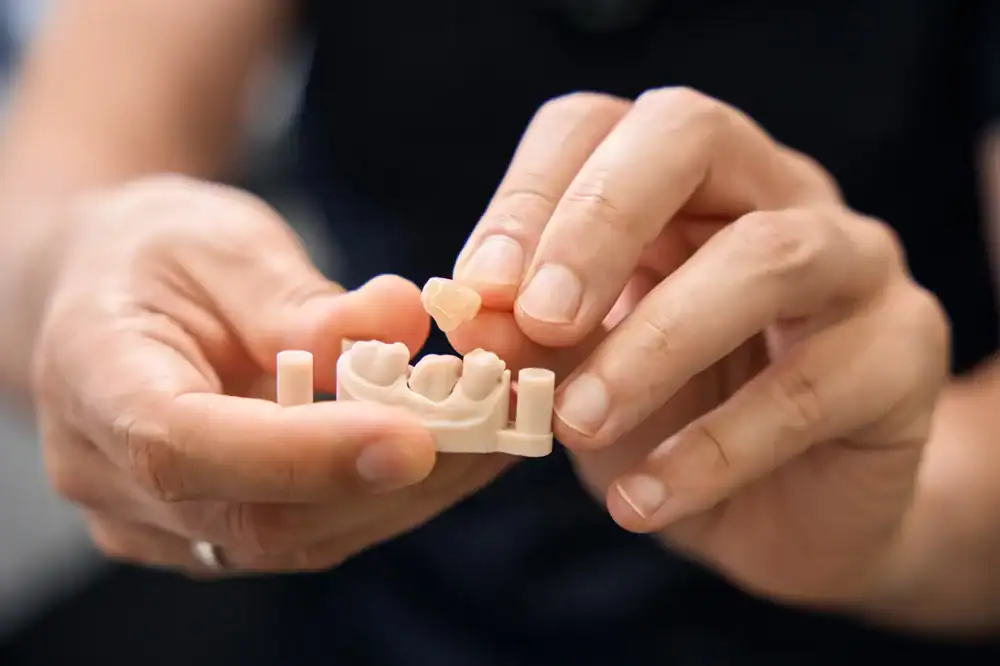
Summary:
You’ve seen the ads. $799 dental implants. $399 specials. Then you call, and suddenly you need a $300 scan, a $900 bone graft, and a $1,200 crown that weren’t mentioned in the headline price.
That’s not affordable. That’s bait-and-switch.
Finding affordable dental implants in Schenectady County, NY means getting transparent pricing, quality materials, and payment options that actually work—without sacrificing the success rate or longevity of your treatment. You’re not looking for the cheapest option. You’re looking for the right value. Here’s how to find it.
Affordable doesn’t mean cheap. It means you’re getting fair pricing for quality work, with no surprises buried in the fine print.
A single dental implant in 2026 typically costs between $3,000 and $6,000 in the United States. That price includes three essential components: the titanium implant post that goes into your jawbone, the abutment connector, and the custom crown that looks like your natural tooth. When a provider quotes you significantly less than this range, you need to ask what’s missing from that number.
True affordability comes from transparent pricing, flexible payment options, and materials that won’t fail in five years. You’re making a long-term investment in your health and confidence. The goal is to make that investment accessible without cutting corners that lead to complications, infections, or implant failure down the road.
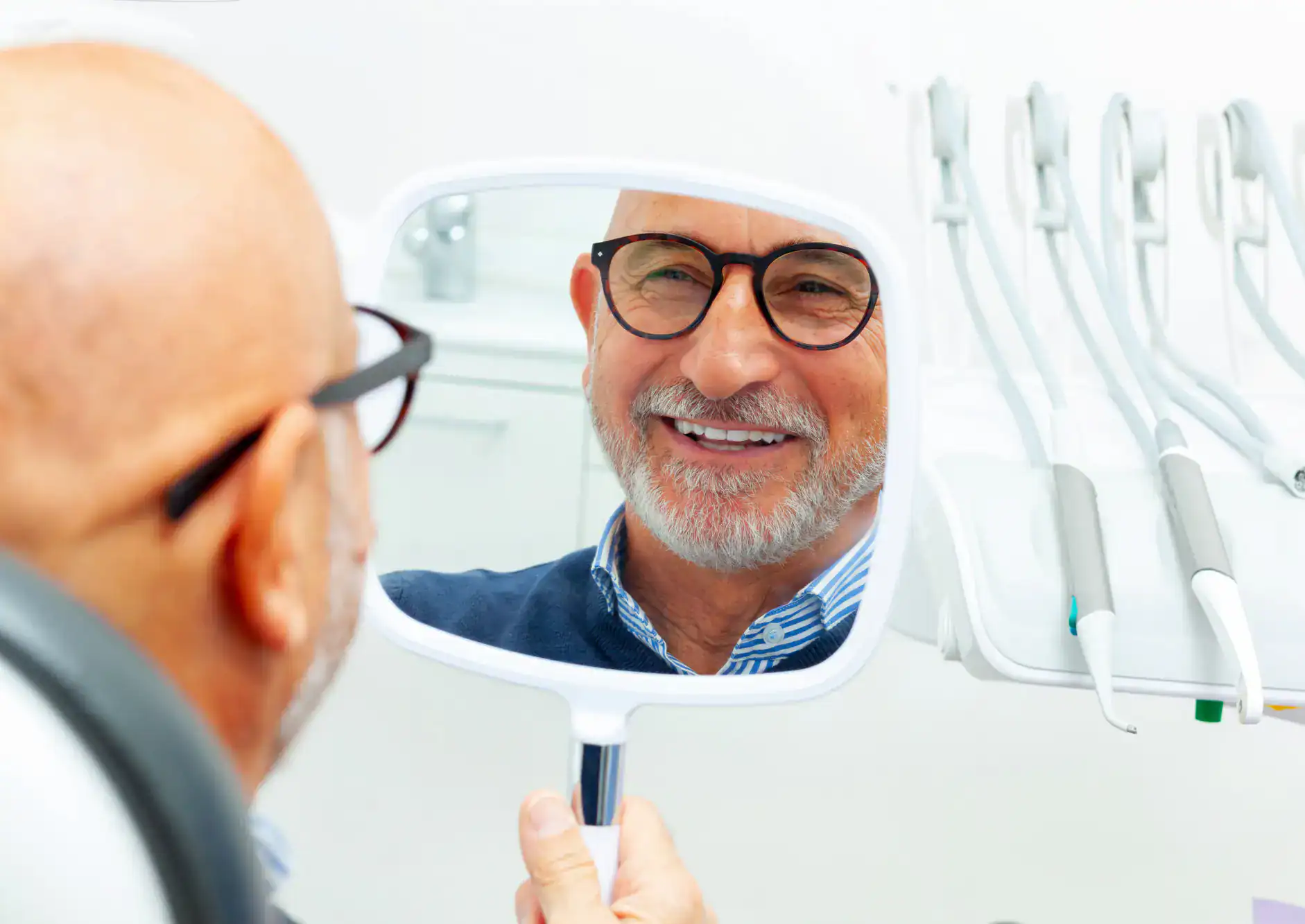
Most people don’t realize that a dental implant isn’t one item—it’s a complete tooth replacement system with multiple components. When you understand what goes into the total cost, you can spot incomplete quotes immediately.
The implant post is a biocompatible titanium screw surgically placed into your jawbone. It serves as the foundation, replacing your tooth root. This component typically costs $1,500 to $2,000 and requires surgical placement. The post must fuse with your bone through a process called osseointegration, which takes several months.
The abutment is the connector piece that attaches to the implant post and holds your crown. This small but essential component costs $200 to $600 depending on the material and customization required. It’s placed after your implant has integrated with your bone.
The crown is the visible tooth that sits on top of the abutment. Made from porcelain, ceramic, or zirconia, crowns cost $500 to $2,000 depending on the material quality and aesthetics required. Front teeth typically need higher-quality crowns than back molars.
Additional costs often include the initial consultation and diagnostic imaging, which can run $100 to $400. Many patients also need preparatory procedures like tooth extraction ($75-$300), bone grafting ($500-$3,000), or treatment for gum disease before implant placement. These aren’t optional upsells. They’re medically necessary steps that ensure your implant succeeds.
When a provider advertises an implant for $799, they’re usually only quoting the post—not the abutment, crown, imaging, or any preparatory work. You end up paying $3,000 or more anyway, but you didn’t know that going in. That’s not affordable. That’s misleading.
The materials used in your dental implant directly impact how long it lasts and whether your body accepts it. This is where cutting costs can cost you more in the long run.
Titanium is the gold standard for dental implants because of its unique biocompatibility. Your bone cells naturally bond with titanium through osseointegration, creating a stable foundation that can last 25 years or more. Clinical studies consistently show that titanium implants have success rates between 95% and 97% over a 10-year period. That’s not marketing hype. That’s decades of research and millions of successful implants worldwide.
Some providers use generic or discount implant brands with less proven track records to lower their costs. These cheaper alternatives may save money upfront, but they often have higher failure rates. When an implant fails, you’re paying for removal, bone healing time, and replacement—which can easily exceed what you would have spent on a quality implant in the first place.
The crown material also matters. High-quality porcelain or zirconia crowns resist staining, match your natural teeth, and withstand normal chewing forces for 15 to 20 years. Cheaper crown materials may crack, discolor, or wear down faster, requiring earlier replacement.
Your jawbone doesn’t care about your budget. It cares about biocompatible materials placed with proper surgical technique. When you choose affordable dental implants in Schenectady County, NY, you want a provider using industry-standard titanium from reputable manufacturers—not cutting costs with unproven materials that put your health at risk.
Want live answers?
Connect with a Scott Kupetz expert for fast, friendly support.
Most people don’t have $3,000 to $6,000 sitting around for a dental implant. That’s exactly why financing exists—and why 92% of dental implant patients use payment plans to make treatment affordable.
The key is finding financing that doesn’t bury you in interest charges or require perfect credit. Several options can help you spread the cost over time while getting the treatment you need now, not years from now when you’ve saved enough cash.
Understanding your financing options before your consultation helps you make decisions based on what you need, not just what you can afford to pay upfront that day.
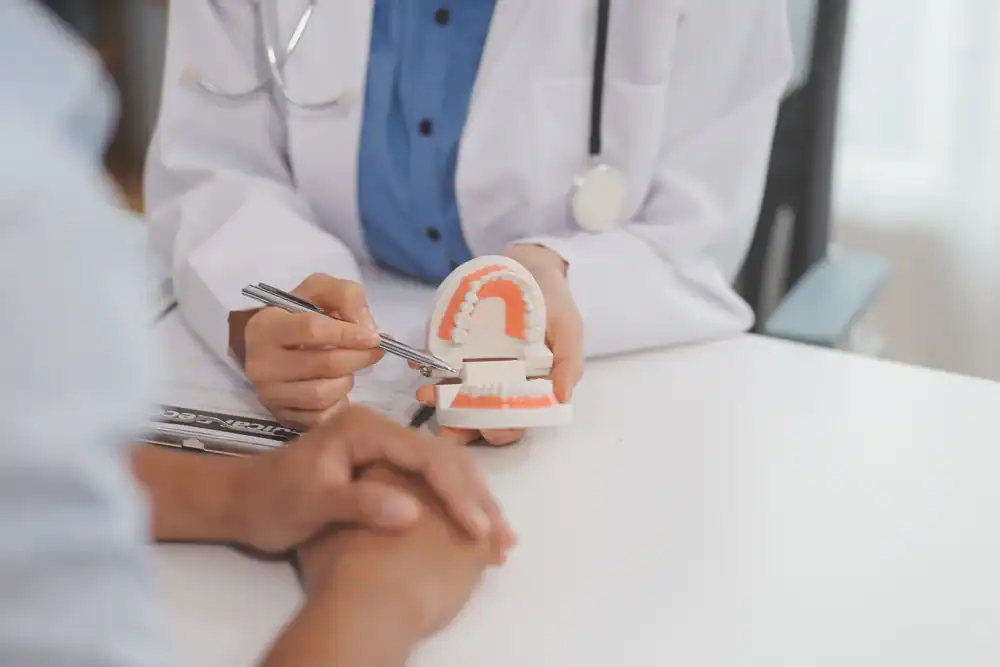
CareCredit is the most widely accepted healthcare financing option for dental implants, and it works like a credit card specifically for medical and dental expenses. You can apply in minutes, and most applicants get approved quickly—often with promotional interest-free periods if you pay off the balance within 6 to 24 months.
For a $3,500 dental implant financed over 24 months, you might pay $145 to $150 per month with no interest if you pay it off within the promotional period. If you need more time, longer-term plans with fixed APRs are available, though you’ll pay interest on those.
Other third-party lenders like LendingClub Patient Solutions offer loans specifically for dental work, with terms up to 84 months and APRs ranging from 3.99% to 30.99% depending on your credit. These longer terms mean lower monthly payments—sometimes as low as $80 to $100 per month for a single implant—but you’ll pay more in total interest over time.
Many dental practices also offer in-office payment plans with 0% interest for 12 months on approved credit. These plans are often easier to qualify for than traditional credit cards and don’t require you to go through a third-party lender.
The application process is straightforward. You fill out a short form, get a decision within minutes, and can often start treatment the same day if approved. Approval rates are high—some lenders report 99% approval for patients who apply. Even if you don’t have excellent credit, financing options exist.
Before you commit to any financing plan, read the terms carefully. Know when the promotional period ends, what the interest rate becomes after that period, and what your total cost will be if you make only minimum payments. Affordable means knowing exactly what you’ll pay over time, not just what sounds good in the moment.
If you have a Flexible Spending Account (FSA) or Health Savings Account (HSA) through your employer, you can use those pre-tax dollars to pay for dental implants. This effectively gives you a 20% to 35% discount depending on your tax bracket, because you’re paying with money that was never taxed in the first place.
FSA and HSA funds work like a debit card for medical expenses. Your dentist charges the procedure, and you pay with your FSA or HSA card. There’s no interest, no credit check, and no approval process beyond having funds in your account. If you know you need an implant, planning ahead and contributing to your FSA or HSA throughout the year can make a significant difference in your out-of-pocket cost.
Dental insurance coverage for implants is limited, but it’s not zero. Most dental insurance plans cap annual benefits at $1,000 to $2,000, which won’t cover a full implant. However, many plans will cover portions of the procedure—particularly the crown, which is often covered at 50% after you meet your deductible. Some plans also cover tooth extractions, bone grafting, or other preparatory work.
The implant post itself is rarely covered because most insurance companies classify it as cosmetic rather than medically necessary. That’s frustrating, but it’s the reality of dental insurance in 2026. The key is to maximize whatever coverage you do have, then use financing or FSA/HSA funds to cover the rest.
Before scheduling your implant procedure, call your insurance company and ask specifically what’s covered. Get a breakdown in writing. Then work with your dentist’s office to file claims for the portions that are covered. Every dollar your insurance pays is a dollar you don’t have to finance or pay out of pocket.
Some patients combine multiple strategies: using insurance to cover the crown and extraction, paying for the implant post with HSA funds, and financing any remaining balance through CareCredit. There’s no single right way to pay for dental implants. The goal is to use every available resource to make the total cost manageable for your situation.
Affordable dental implants come down to three things: transparent pricing, quality materials, and payment options that work for your budget. You shouldn’t have to choose between getting the treatment you need and paying your mortgage.
When you’re evaluating providers in Schenectady County, NY, ask for a complete cost breakdown upfront. Know what’s included and what’s not. Ask about the implant brand and materials being used. Confirm that financing options like CareCredit are accepted. And make sure the provider has the experience and credentials to place implants correctly the first time.
We’ve been serving patients across Dutchess County and the surrounding region since 1988, with dual locations in Rotterdam and Wappingers Falls. We accept CareCredit financing, offer sedation dentistry for anxious patients, and provide same-day emergency appointments when dental problems can’t wait. If you’re looking for affordable dental implants with transparent pricing and experienced care, we’re here to help.
Article details:
Share:
Continue learning: