
Bone graft dental procedures rebuild jawbone density to support dental implants. Half of all implant patients need grafting, but success rates reach 97-100% with proper treatment.
Share:
Summary:
You’ve been told you need a bone graft before getting dental implants, and now you’re wondering what that actually means for your timeline, your comfort, and your wallet. The reality is simpler than it sounds. Your jawbone needs a certain thickness and density to hold an implant securely. When that bone has shrunk due to tooth loss, gum disease, or time, grafting rebuilds what’s missing. It’s not a complication—it’s preparation. About half of all implant patients go through this step, and it’s one of the most predictable procedures in dentistry. Here’s what you’re actually looking at, from materials to recovery to what happens next.
A dental bone graft adds material to areas of your jaw where bone has thinned or disappeared. The graft acts like scaffolding. Your body recognizes it, grows new bone cells around it, and eventually replaces the graft material with your own natural bone.
The material itself can come from several sources—your own body, a tissue bank, an animal source, or a lab. Each option has trade-offs in terms of healing time, cost, and how your body responds. But the goal is always the same: create enough bone density and volume to anchor a dental implant securely.
Without adequate bone, an implant has nothing to fuse to. It would be like trying to screw a post into sand instead of concrete. The graft gives your jaw the structure it needs to hold that implant in place for decades.
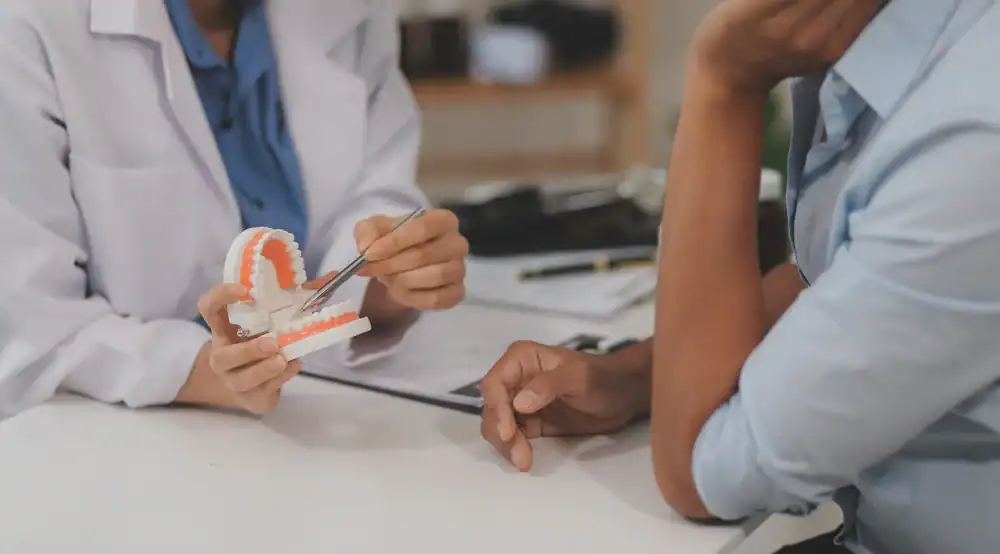
Your jawbone stays healthy because your teeth give it a job. Every time you chew, bite, or clench, force travels through the tooth root and stimulates the surrounding bone. That stimulation tells your body to keep rebuilding and maintaining the bone in that area.
When a tooth is gone, that stimulation stops. Your body treats the bone like it’s no longer needed and begins to resorb it—essentially recycling the minerals for use elsewhere. This process starts within weeks of losing a tooth and continues over months and years.
The longer you wait to replace a missing tooth, the more bone you lose. In some cases, the ridge where the tooth used to be flattens significantly. This is why people who’ve been missing teeth for years often need more extensive grafting than someone who seeks treatment right away.
Gum disease accelerates this process. Untreated periodontal disease doesn’t just damage the gums—it destroys the bone that supports your teeth. By the time teeth are lost to gum disease, significant bone loss has usually already occurred. Trauma to the jaw, certain medical conditions, and even genetics can also contribute to insufficient bone density.
If you’re in Schenectady County, NY and have been living with missing teeth for a while, bone loss is likely. But that doesn’t disqualify you from implants. It just means grafting becomes part of your treatment plan.
There are four main types of bone graft materials, and we’ll recommend one based on your specific situation, the location of the graft, and how much bone needs to be rebuilt.
Autografts use bone taken from your own body—usually from your chin, jaw, hip, or tibia. This is considered the gold standard because your body readily accepts its own tissue. There’s virtually no risk of rejection, and the graft contains living cells that actively promote new bone growth. The downside is that it requires a second surgical site to harvest the bone, which adds to recovery time and discomfort.
Allografts use human bone from a tissue bank. The bone is thoroughly screened, sterilized, and processed to remove all living cells before use. This option eliminates the need for a second surgery and is widely used in dental procedures. It’s safe, cost-effective, and has a strong track record, though it doesn’t contain the living cells that autografts do.
Xenografts are derived from animal bone, most commonly bovine (cow). The bone is processed at extremely high temperatures to remove organic material and prevent immune reactions. It provides a framework for your own bone to grow into and is readily available. Like allografts, it doesn’t require harvesting from your body.
Alloplasts are synthetic materials made in a lab, often from calcium phosphate or hydroxyapatite. These materials are biocompatible and mimic the mineral structure of natural bone. They’re a good option for patients who prefer not to use human or animal-derived materials, though they may integrate more slowly than natural bone.
We’ll evaluate the size and location of the graft, your overall health, and your preferences when selecting the best material. In many cases, a combination of materials is used to optimize healing and bone formation.
Want live answers?
Connect with a Scott Kupetz expert for fast, friendly support.
The procedure itself is more straightforward than most people expect. We numb the area with local anesthesia, though sedation options are available if you’re anxious. A small incision is made in your gum to expose the area of bone loss. The graft material is then placed directly onto or into the bone, and in some cases, a protective membrane is laid over it to keep soft tissue from growing into the space while bone forms.
Once the graft is positioned, the gum tissue is stitched closed. The entire procedure typically takes less than an hour, depending on the size and complexity of the graft. Most patients go home the same day and manage any discomfort with over-the-counter pain relievers or a short course of prescribed medication.
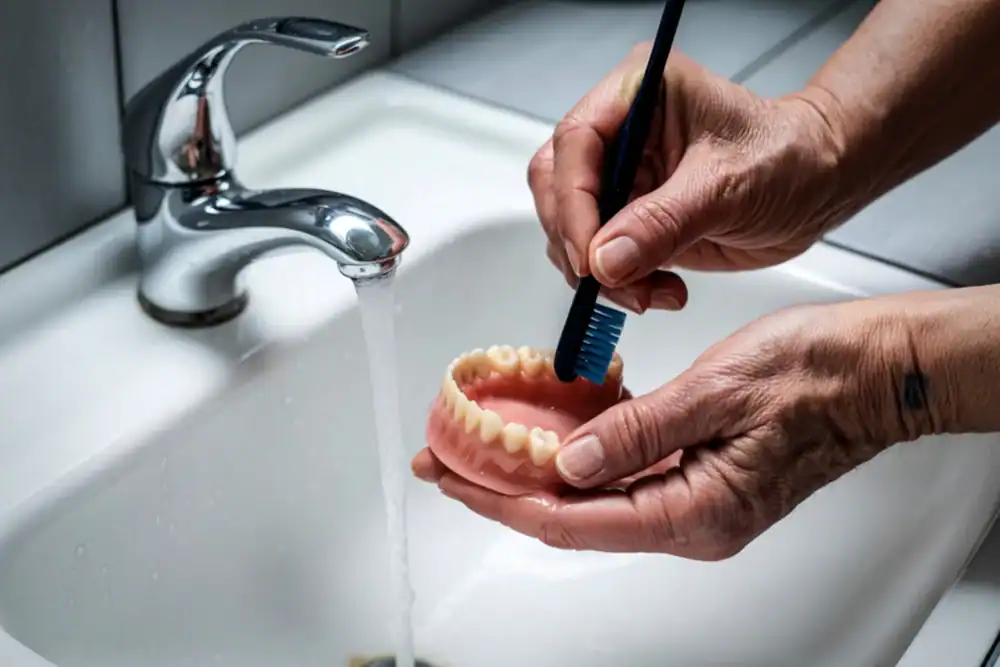
Recovery from the procedure is usually mild. You’ll feel some tenderness and may have minor swelling for a few days, similar to what you’d experience after a tooth extraction. Ice packs, soft foods, and rest help manage symptoms during the first week.
But the real healing happens over months, not days. The graft needs time to integrate with your existing bone through a process called osseointegration. During this period, your body gradually replaces the graft material with new, living bone. This process typically takes three to six months, though more extensive grafts can take up to eight months or longer.
We’ll monitor your progress with follow-up appointments and imaging to confirm that the bone is forming properly. Once the graft has fully matured and the bone is dense enough, you’ll be cleared for dental implant placement.
Factors like smoking, diabetes, and certain medications can slow healing, so it’s important to follow our post-operative instructions closely. Avoid disturbing the surgical site, stick to soft foods, and maintain good oral hygiene without directly brushing the graft area during the initial healing phase.
Patients in Schenectady County, NY who need bone grafting before implants should plan for this timeline when scheduling treatment. While it adds months to the overall process, it significantly improves the long-term success of your implants.
The cost of a dental bone graft varies widely depending on the type of material used, the size of the graft, and the complexity of your case. On average, you’re looking at anywhere from $500 to $3,000 or more per graft site.
Autografts tend to be more expensive because they require an additional surgical procedure to harvest bone from another part of your body. Allografts and xenografts are generally less costly since no second surgery is needed. Synthetic materials fall somewhere in the middle.
Location also plays a role. Grafts in the upper jaw, particularly those involving a sinus lift, are more complex and typically cost more than grafts in the lower jaw. If you need grafting at multiple sites or require advanced techniques like ridge augmentation, the total cost increases accordingly.
Many dental insurance plans cover at least part of the cost if the graft is deemed medically necessary, particularly when it’s a prerequisite for implant placement. It’s worth checking with your provider to understand your coverage. For patients without insurance or with limited coverage, financing options like CareCredit can make treatment more accessible by breaking the cost into manageable monthly payments.
When you factor in the cost of the implant itself—which typically ranges from $1,500 to $3,000—the total investment for implant treatment with bone grafting can be significant. But consider the alternative. Bridges and dentures may be cheaper upfront, but they require replacement every 10 to 15 years and don’t prevent further bone loss. Implants, when properly supported by grafting, can last 25 years or more, making them a better long-term value.
Bone grafting isn’t optional if you don’t have enough bone to support an implant—it’s essential. The good news is that it works. Success rates approach 100% when the procedure is performed correctly, and implants placed in grafted bone perform just as well as those placed in native bone.
Yes, it adds time to your treatment. Yes, it increases the upfront cost. But skipping it means risking implant failure, which is far more expensive and frustrating to deal with down the line. The graft creates the foundation your implant needs to function like a natural tooth for decades.
If you’re in Schenectady County, NY and have been told you need bone grafting before implants, don’t let that discourage you. It’s a routine part of implant dentistry, and with the right provider, the process is manageable, predictable, and well worth the investment. Reach out to us to discuss your options and get a clear plan for restoring your smile.
Article details:
Share:
Continue learning: