


Hear from Our Customers
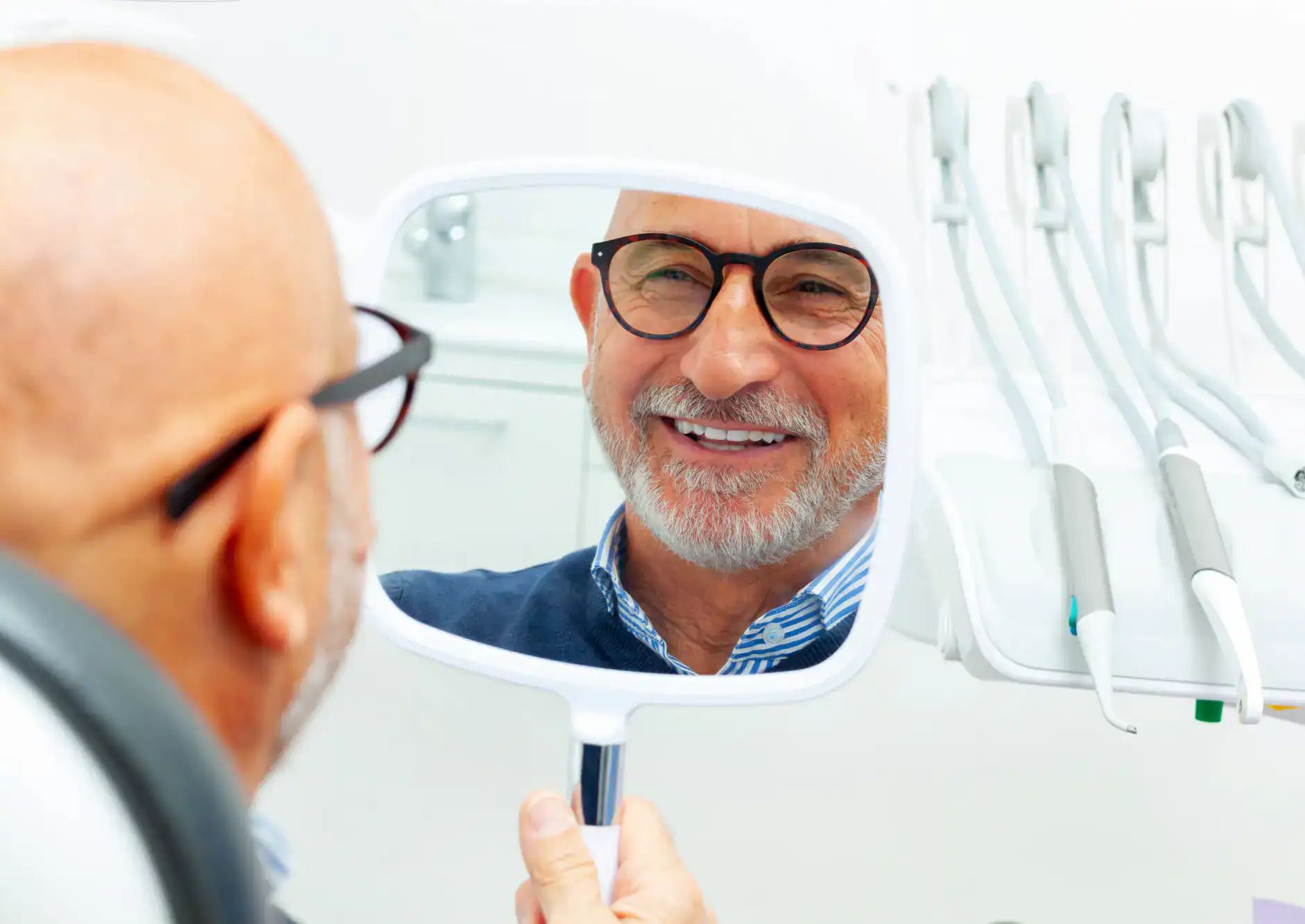
The gap in your smile is the part you can see. What you cannot see is what is happening underneath: the bone beneath a missing tooth begins to shrink within months of the extraction. Over time, neighboring teeth start to shift, your bite changes, and the shape of your face can begin to look different.
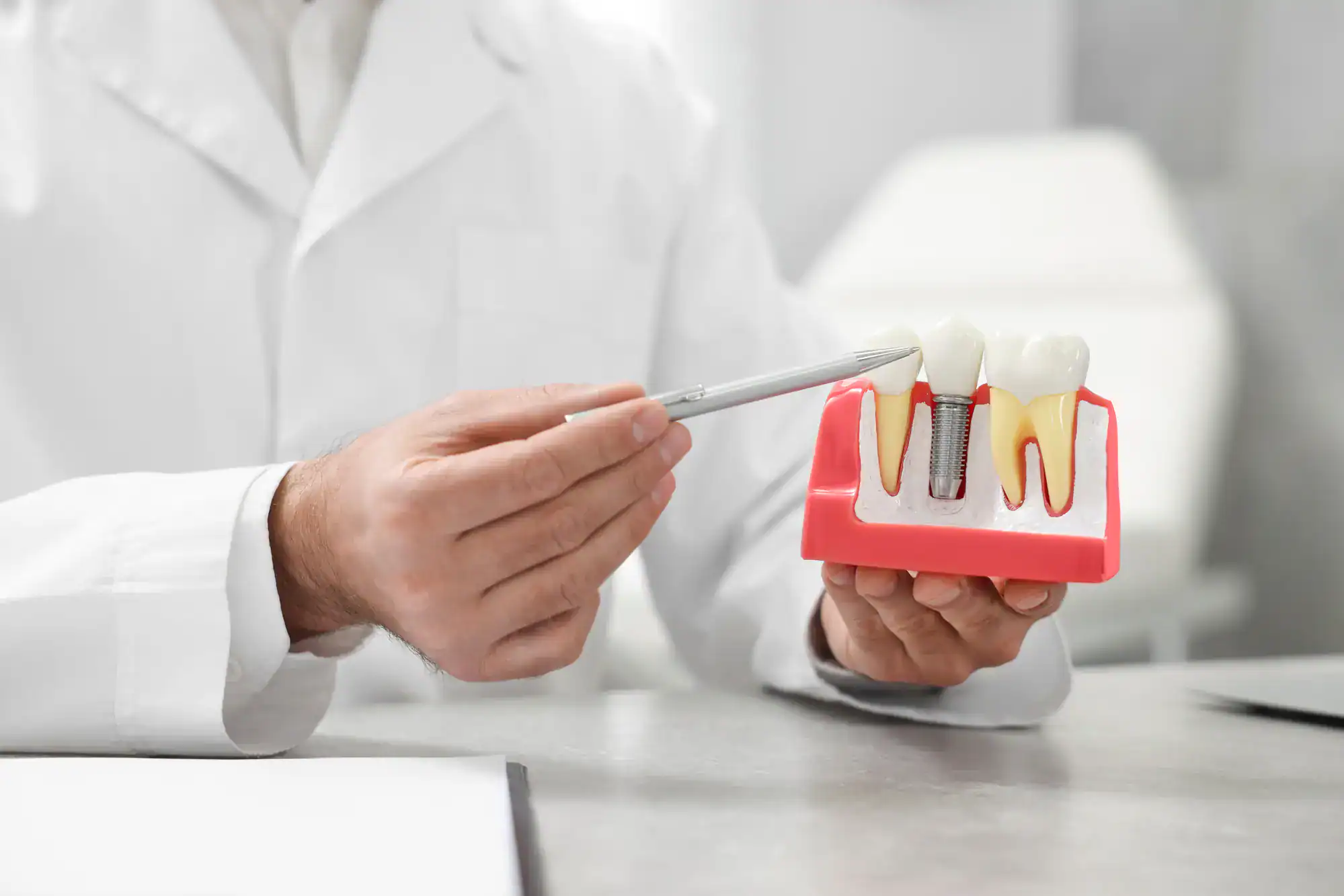
A dental implant is the only common tooth replacement option that addresses that problem at root level. The titanium post goes into the jawbone and functions like a natural root, slowing bone loss, supporting the surrounding teeth, and carrying a crown that looks and chews like the real thing. No slipping. No removing it at night. No grinding down the healthy teeth next to it the way a bridge requires.
Most dental plans in the Capital Region cover implants only in part, which is one reason people wait. Waiting has its own cost. Every month without a tooth root the bone keeps changing, so acting sooner usually means less bone to rebuild and a more straightforward procedure. Well cared for, an implant can last many years, though how long depends on your bone, your gums and your general health.
Dr. Scott Kupetz, DMD has been practicing dentistry since 1988, which means he was placing implants before most of the corporate dental chains on Central Avenue existed. He graduated from Fairleigh Dickinson College of Dental Medicine and has spent more than three decades building a practice where patients see the same dentist every time. Not a rotating associate, not a different face at every appointment.
That matters more than it might sound. When you are having a titanium post placed in your jawbone, continuity is not a luxury, it is the standard. Dr. Kupetz handles your consultation, your implant placement and your final crown without passing you off to a specialist or a colleague you have never met. Patients who have cycled through multi-doctor group practices or chain dental offices know how rare that is.
Our Capital Region office is at 1221 Curry Rd in Rotterdam, about 14 miles northwest of downtown Albany and roughly 3 miles from Schenectady. It is the closer of the two offices for anyone coming from Albany, Colonie, Guilderland or Bethlehem. The practice also has a Hudson Valley office in Wappingers Falls, and you can read about dental implants in Dutchess County there.

It starts with a consultation where Dr. Kupetz evaluates your jawbone, your bite, and your overall oral health. If there’s been significant bone loss which is common for Albany patients who’ve been missing a tooth for a year or more a bone graft may be recommended before the implant is placed. That’s not a complication; it’s just part of doing the procedure correctly so the implant has a solid foundation.
Once your jaw is ready, the titanium post is placed directly into the bone. This is the part most patients are most anxious about, and it’s also the part where sedation makes a real difference. We offer sedation options, so if dental anxiety has kept you out of the chair whether for months or for years that doesn’t have to be the reason you delay any longer. The post then goes through a healing period, typically a few months, during which it fuses with the bone in a process called osseointegration.
After healing, Dr. Kupetz places the abutment and then the final crown the visible tooth that sits on top. From start to finish, the entire process is managed by one doctor in one location. No referrals to a periodontist across town, no starting over with someone new mid-process. Albany patients who’ve dealt with the fragmented specialist-referral model before will notice the difference immediately.
Ready to get started?
The most common question is not “should I get an implant?”, it is “why not just get a bridge?” It is a fair question, and the honest answer is this: a traditional dental bridge requires permanently grinding down the two healthy teeth on either side to serve as anchors. Those teeth get crowned, weakened, and become more vulnerable to decay over time. Bridges also typically last 5 to 10 years before they need replacing, and when they fail you are often dealing with decay in the ground-down anchor teeth as well. A single tooth implant in Albany, NY replaces the missing tooth without touching the neighbors, and with proper care it can last decades.
For patients missing several teeth or dealing with full arch tooth loss, implant-supported dentures are worth understanding. Unlike traditional removable dentures, which sit on top of the gum line, can slip, and do not slow bone loss, implant-supported options anchor into the jaw and function far more like natural teeth. All-on-4 is one specific approach that uses four strategically placed posts to support a full arch, which can suit patients who have lost significant bone. Ask at your consultation which full arch options apply to your case.
Most dental plans treat implants differently from preventive and basic restorative care, and many reimburse only part of the cost. We will tell you what your plan is likely to cover before you commit to anything, and financing is available so the gap does not have to be paid in one go. Our guide to what goes into the cost of an implant sets out the financing routes in more detail. A missing tooth is not a cosmetic issue to leave indefinitely because insurance will not cover all of it.
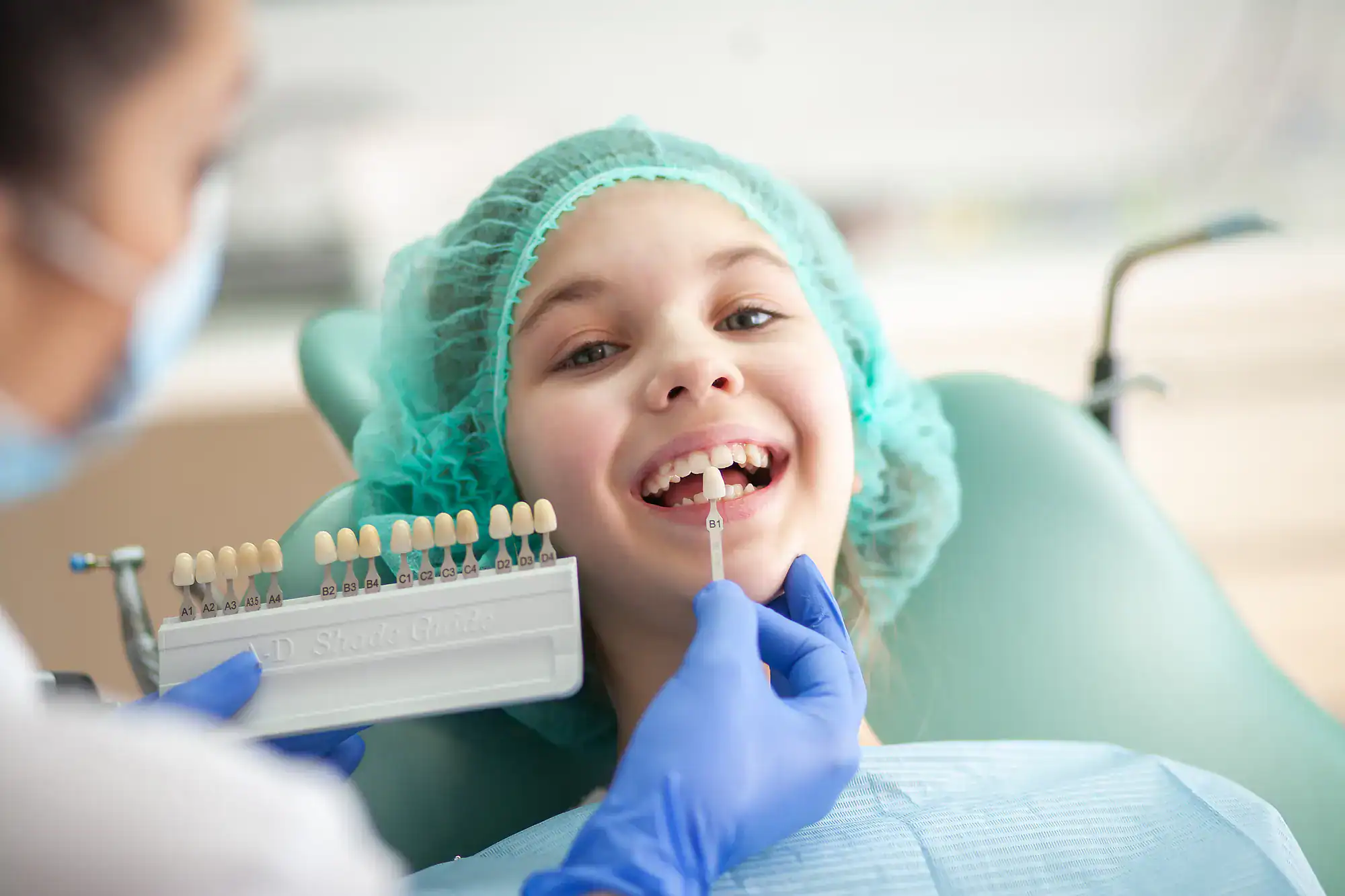
The cost depends on whether a bone graft is needed, where the tooth sits and how complex the case is, so we give you a written estimate at the consultation rather than a number over the phone. That estimate covers the whole tooth, the implant post, the abutment and the crown, not just one part of it.
Most dental plans treat implants differently from preventive and basic restorative care, and many reimburse only part of the cost. We will tell you what your plan is likely to cover before you commit, and financing is available so the balance does not have to be paid in one go. The more useful financial question is usually what it costs to wait: bone loss, shifting teeth and more complex treatment later all add up.
Most patients are surprised by how manageable the implant procedure actually is. The area is fully numbed before anything happens, and for patients who want a deeper level of relaxation, we offer sedation options which means you can be in a genuinely calm, comfortable state throughout the appointment rather than white-knuckling through it.
The soreness that follows the procedure is typically described as similar to a tooth extraction manageable with over-the-counter pain relief for a few days. The healing period after the post is placed (when the implant is fusing to the bone) doesn’t involve ongoing pain; most patients go about their normal routine during that time. For Albany patients who’ve been avoiding this because of fear, the reality of the procedure is almost always less than what they imagined. Sedation dentistry specifically exists for this reason anxiety doesn’t have to be the deciding factor.
Yes. Bone loss does not automatically disqualify you from getting an implant, but it does affect the process. When a tooth has been missing for a year or more, the jawbone in that area begins to shrink because there is no root stimulating it. The longer the gap, the more bone loss there tends to be, so if a tooth has been gone for several years a bone graft is often recommended before the implant is placed.
A bone graft adds volume and density back to the area so the implant has a solid foundation to fuse with. It does add time to the overall process, typically a few months of healing before the post can be placed, but it is a standard part of implant dentistry rather than a sign that something has gone wrong.
For most patients, yes and the reason comes down to what happens to the teeth around the gap. A traditional dental bridge requires permanently altering the two healthy teeth on either side of the missing one. Those teeth are ground down and crowned to serve as anchors for the bridge. That’s permanent damage to teeth that were otherwise fine, and it makes them more susceptible to decay and structural problems over time. Bridges also have a lifespan typically 5 to 10 years after which they often need to be replaced, sometimes with additional complications in the anchor teeth.
A single tooth implant leaves the neighboring teeth completely untouched. The implant post goes into the bone where the missing tooth was, and the crown on top looks and functions like a natural tooth. It also stops the bone loss that a bridge doesn’t address. Over a 20- or 30-year timeline, the implant is almost always the more cost-effective and health-preserving choice even if the upfront cost is higher.
The honest answer is that it depends on your starting point. For a patient with healthy bone who doesn’t need a graft, the process from initial consultation to final crown typically takes three to six months. The longest part isn’t the procedure itself it’s the healing period after the titanium post is placed, during which the implant fuses to the jawbone. That process, called osseointegration, takes roughly three to four months for most patients.
If bone grafting is needed first which is common for Albany patients who’ve been missing a tooth for a while add another three to four months of healing before the implant post can be placed. So in those cases, the full timeline can be closer to nine to twelve months from start to finish. That’s a function of doing it right, not a reason to delay starting.
This is one of the things people do not often say out loud but are thinking about. Plenty of adults have avoided the dentist for years, sometimes a decade or more, because of anxiety, a bad past experience, or simply the dread of sitting in the chair. If that is you, you are not unusual and you are not out of options.
Sedation dentistry is available for implant procedures, which means you do not have to rely on willpower to get through it. Depending on the level of sedation you can be in a deeply relaxed state while the work happens, without the fear response that normally makes dental treatment feel unbearable. Dr. Kupetz has been working with anxious patients for more than three decades, so this is not a new accommodation bolted onto the practice.
Other Services we provide in Albany