
Mini dental implants offer a less invasive, more affordable path to tooth replacement—especially if you've been told traditional implants won't work for you.
Share:
Summary:
You’ve probably heard that dental implants can replace missing teeth. But what happens when you’re told your jawbone isn’t strong enough, or that you’d need months of bone grafting before you can even start?
That’s where mini dental implants come in. Smaller, faster, and often more affordable than traditional implants, they’re designed to work in situations where standard implants won’t—or where you simply want a less invasive option. They’re especially effective for stabilizing loose dentures that slip when you eat or talk.
Here’s what you need to know about when mini implants are the right choice, how they actually work, and what makes them different from the traditional route.
Mini dental implants are titanium posts that replace missing tooth roots, just like traditional implants. The difference is size. While traditional implants measure 3.25 to 5 millimeters in diameter, mini implants are less than 3 millimeters wide—roughly the thickness of a toothpick.
That smaller size changes everything. Mini implants use a one-piece design with a ball-shaped head that sits above the gumline. Traditional implants are multi-piece systems that require separate abutments and longer healing periods before you can attach a crown or denture.
Because they’re narrower, mini implants need less bone to stay secure. That makes them an option for people with bone loss who would otherwise need grafting. They also heal faster and can often be loaded with a restoration the same day they’re placed.
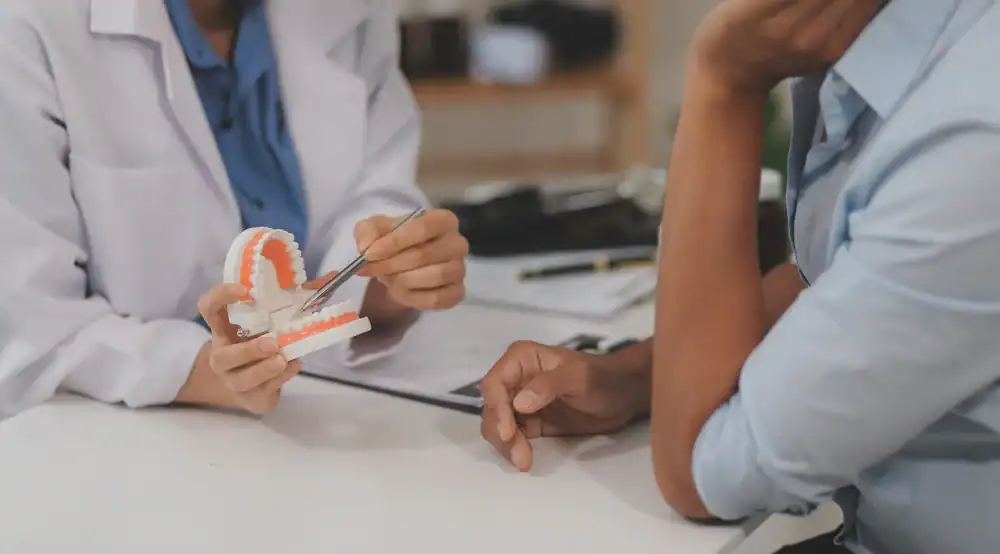
Mini implants aren’t just “smaller versions” of traditional implants. They’re designed for specific situations where traditional implants either won’t work or aren’t the best fit.
You’re likely a good candidate if you have insufficient bone density. After losing teeth, your jawbone naturally shrinks over time. Traditional implants require a certain amount of healthy, dense bone to anchor properly. If you don’t have enough, you’d typically need bone grafting—a procedure that adds months to your treatment and thousands to your cost. Mini implants work with less bone, so grafting is rarely necessary.
They’re also ideal if you have a narrow ridge or limited space between teeth. This is common in the front of the mouth, where the jawbone is naturally thinner. Mini implants fit where traditional implants simply won’t, especially for replacing smaller teeth like incisors or lateral incisors.
If you wear dentures—especially lower dentures—mini implants can be life-changing. Lower dentures are notoriously unstable. Even well-made ones slip and float because there’s not much ridge to hold them in place. Four mini implants placed in the front of your lower jaw create a snap-on system that keeps your denture secure while you eat, talk, and laugh. You can still remove it for cleaning, but it won’t move when you don’t want it to. For patients in Rotterdam and across Schenectady County, NY, this single change often means the difference between avoiding social situations and enjoying meals with family again.
Mini implants also make sense if you want faster treatment. Traditional implants require multiple surgeries and a healing period of three to six months before the final restoration can be placed. Mini implants can often be placed and loaded on the same day, so you walk out with functional teeth.
Cost is another factor. A single traditional implant can run $1,500 to $6,000 or more when you include the crown and abutment. Mini implants typically cost $500 to $1,500 per implant, and because of their simpler design, the total treatment cost is usually much lower. For someone on a fixed income or without dental insurance, that difference matters.
Finally, if you’re medically compromised or anxious about surgery, mini implants offer a less invasive option. The procedure is faster, uses smaller incisions (or none at all in some cases), and causes less post-operative discomfort. For patients who can’t tolerate lengthy surgeries or extended recovery periods, mini implants provide a safer, gentler path.
Mini implants work well in many situations, but they’re not always the best choice. It’s important to understand their limitations so you can make the right decision for your specific needs.
Traditional implants are stronger and more durable for replacing back teeth. Molars handle significant chewing force—sometimes hundreds of pounds of pressure during biting. Mini implants have less surface area in contact with bone, which means they can’t distribute force as effectively. If you’re replacing a molar, a traditional implant will hold up better over the long term.
In fact, replacing a single molar with mini implants often requires two implants splinted together under one crown to approximate the strength of a single traditional implant. That can actually end up costing more than one standard implant, which defeats one of the main advantages of going smaller.
Traditional implants also offer better aesthetics in certain situations. The larger diameter gives us more flexibility in shaping the final restoration to match your natural teeth. Mini implants can sometimes create an emergence profile that looks less natural, especially in the front of your mouth where appearance matters most.
If you have healthy bone density and no space limitations, traditional implants are usually the gold standard. They’ve been studied for decades and have slightly higher long-term success rates—partly because their larger size creates a stronger bond with bone. When you have the bone structure to support them, traditional implants offer the most predictable, long-lasting results.
You should also consider your bite and habits. If you grind your teeth at night or have a heavy bite, the extra strength of traditional implants may be necessary to prevent fracture or loosening over time. Mini implants can handle normal chewing forces just fine, but they’re not built for extreme stress.
The key is matching the implant to your situation. We’ll evaluate your bone density, the location of the missing tooth, your bite force, and your treatment goals before recommending one option over the other. Sometimes the answer is a combination—traditional implants in the back where strength matters most, and mini implants in the front where space is limited.
Want live answers?
Connect with a Scott Kupetz expert for fast, friendly support.
Cost is one of the biggest factors in any dental decision, and mini implants offer a clear financial advantage in most cases. But cost alone shouldn’t drive your choice—you also need to know whether they’ll actually work for the long term.
Let’s start with the numbers. Mini dental implants typically cost between $500 and $1,500 per implant for the surgical placement. When you add the crown or restoration, total cost per tooth usually falls between $1,800 and $3,000. Traditional implants, by comparison, range from $1,500 to $6,000 per implant, with total treatment costs often exceeding $4,000 per tooth.
For full-mouth restoration, the difference becomes even more dramatic. Stabilizing a lower denture with four mini implants might cost $2,500 to $6,000 total. The same result with traditional implants could easily run $10,000 to $15,000 or more.
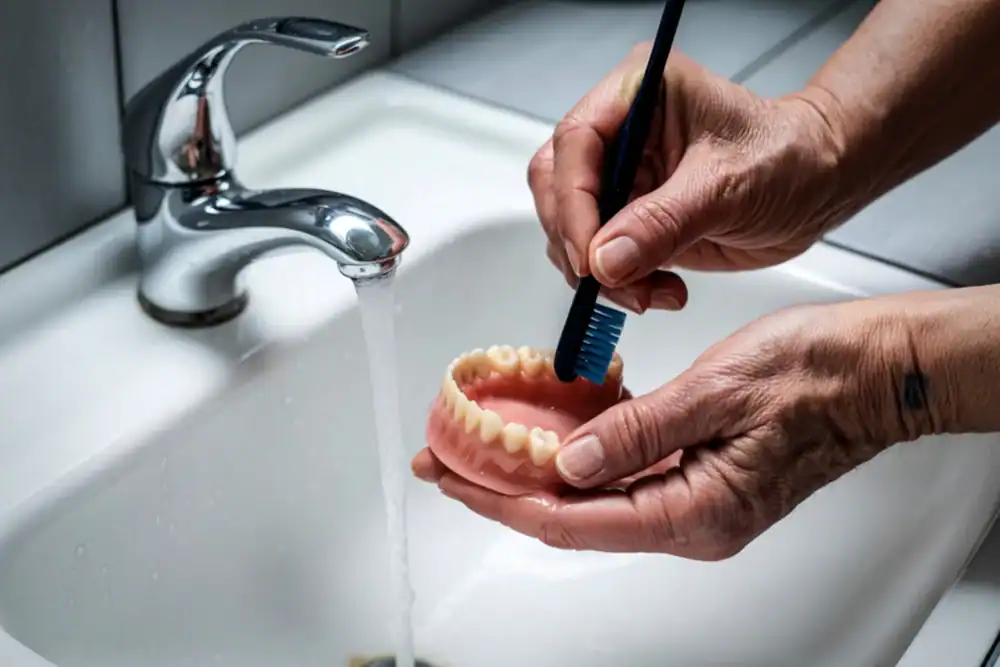
The real question isn’t just what mini implants cost—it’s whether they’ll last. And the answer, backed by research, is yes—when used appropriately.
Studies report success rates between 90% and 95% over five years for mini implants used in denture stabilization and appropriate single-tooth applications. Some research shows even higher numbers—one 12-year study of over 6,000 mini implants found a 97% success rate for single-tooth restorations and 94% for multiple teeth. A systematic review found that mini implants used to retain lower dentures showed excellent survival rates in the short to medium term, with minimal bone loss.
Traditional implants have slightly higher success rates overall—typically 95% to 98% over 10 years—but that’s partly because they’re used in different situations. When you compare mini implants to traditional implants for the same application (like denture stabilization), the success rates are remarkably similar.
The key to longevity is using mini implants for the right purpose. They excel at denture stabilization, replacing front teeth, and filling narrow spaces. They’re less ideal for back molars that handle heavy chewing forces. When placed by an experienced dentist in appropriate situations, mini implants can last decades with proper care.
Bone loss around mini implants is also minimal. Research shows average peri-implant bone loss of about 0.89 to 1.18 millimeters over the first three years—well within acceptable standards for dental implants. Once the implant is stable, it actually helps preserve bone by providing the stimulation that natural tooth roots once did.
Maintenance is similar to traditional implants. You’ll need to brush and floss regularly, avoid smoking, and see us for check-ups and professional cleanings. The O-rings that attach dentures to mini implants will need periodic replacement as they wear, but that’s a simple, inexpensive procedure.
Most failures happen within the first six months, usually due to inadequate initial stability, infection, or excessive force during the healing period. After that initial integration phase, mini implants are quite stable. Patients who maintain good oral hygiene and follow our care instructions can expect their mini implants to function well for many years—often a lifetime.
Success with mini dental implants depends heavily on precise placement. Put an implant in the wrong position, at the wrong angle, or without adequate initial stability, and you’re setting yourself up for problems down the road.
That’s where experience and technology make all the difference. Dr. Scott Kupetz has been placing dental implants since graduating from Fairleigh Dickinson College of Dental Medicine in 1988—over 30 years of hands-on experience with thousands of cases across Wappingers Falls, Rotterdam, and throughout Dutchess County and Schenectady County, NY. That kind of experience teaches you things you can’t learn from a textbook: how to read bone quality, how to adjust technique for different anatomies, and how to anticipate and avoid complications before they happen.
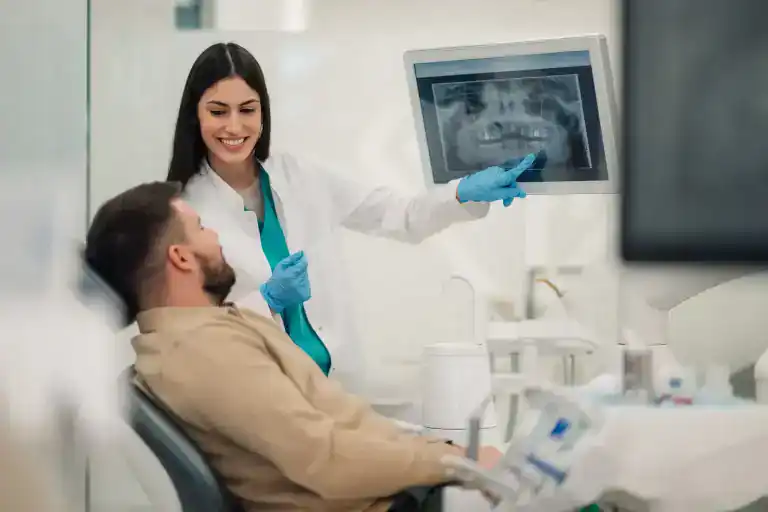
Advanced diagnostic imaging is essential for mini implant success. We use detailed imaging to evaluate your bone density, measure available space, and identify the exact location of nerves and sinuses that must be avoided during placement. This isn’t guesswork—it’s precise planning based on your unique anatomy.
The placement itself requires a controlled, minimally invasive approach. Because mini implants are smaller, the pilot hole is tiny—often small enough that no incision is needed. The implant is threaded directly through the gum tissue into the bone, which preserves blood supply and promotes faster healing. Our technique ensures that each implant achieves the initial stability needed for immediate loading while minimizing trauma to surrounding tissues.
For anxious patients, sedation options make the entire process comfortable. We specialize in sedation dentistry, offering oral sedation, nitrous oxide, and IV sedation depending on your anxiety level and the complexity of your procedure. You can get the treatment you need without the stress and fear that might otherwise keep you away.
Same-day appointments are available for consultations and, in many cases, treatment. If you’re dealing with loose dentures or missing teeth that are affecting your quality of life, you don’t have to wait weeks or months to start the process. We understand that dental problems don’t follow a convenient schedule, which is why emergency appointments—even on Sundays—are part of our commitment to patient care.
CareCredit financing is accepted, making treatment accessible even if you’re on a budget. Our goal is to help you get the care you need without financial stress becoming a barrier to better oral health.
Mini dental implants aren’t right for everyone, but for the right patient in the right situation, they can be transformative. If you’ve been told you’re not a candidate for traditional implants, if you’re frustrated with loose dentures, or if you want a less invasive and more affordable option, mini implants deserve serious consideration.
The most important step is getting an accurate assessment from someone with real experience. We’ll evaluate your bone density, discuss your goals, and recommend the approach that gives you the best long-term outcome—whether that’s mini implants, traditional implants, or a combination of both.
You don’t have to keep living with loose dentures or missing teeth. You have options, and with over 30 years of experience serving Schenectady County, Dutchess County, and surrounding areas, we can help you find the solution that works for your smile, your budget, and your life.
Article details:
Share:
Continue learning: