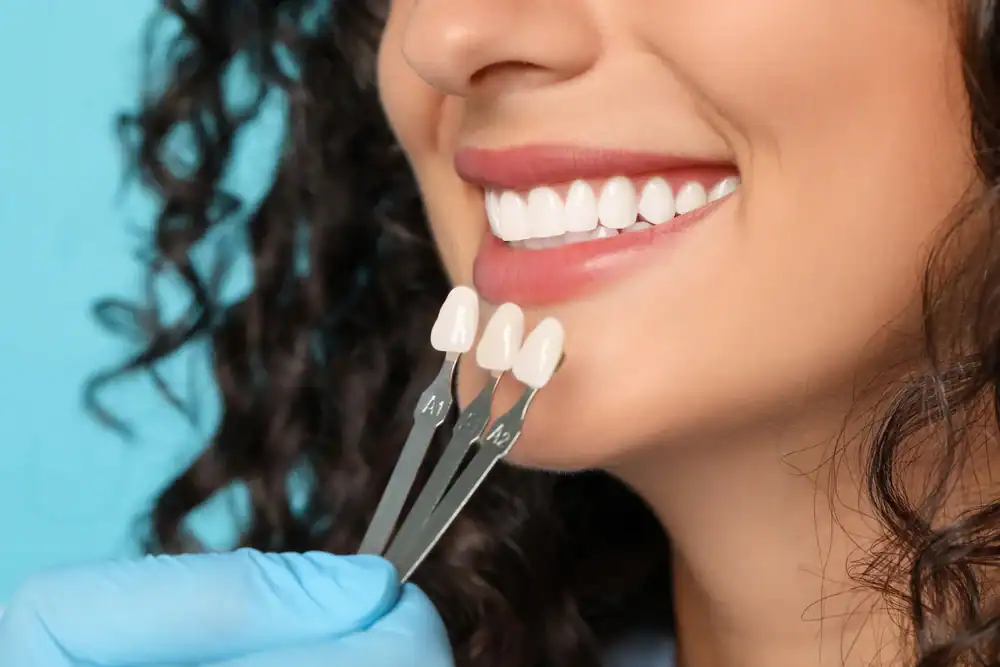
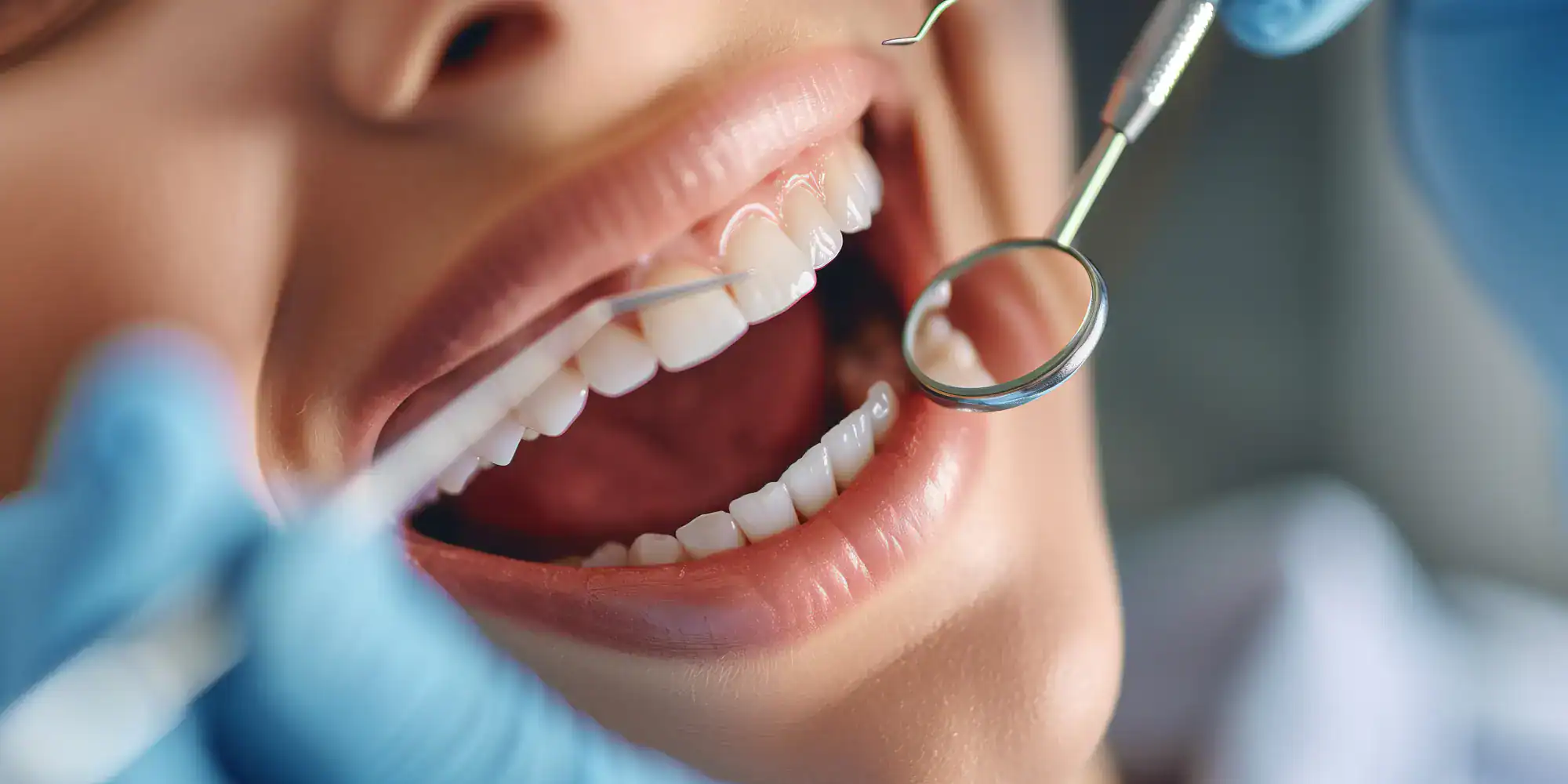
Porcelain veneers resist staining far better than natural teeth thanks to their non-porous ceramic surface, but proper care matters for long-term results.
Share:
Summary:
Table of contents
You’re investing in your smile, and the last thing you want is for your veneers to yellow or discolor a few years down the road. Can you still enjoy your morning coffee or evening glass of wine without worrying about ruining your results? Here’s what actually happens with porcelain veneers and staining.
Why Porcelain Veneers Resist Staining Better Than Natural Teeth
Porcelain veneers don’t stain the way natural teeth do. The material is non-porous, meaning it doesn’t absorb liquids or pigments the way tooth enamel does. Natural teeth have microscopic pores that soak up staining agents from coffee, red wine, and tea. Porcelain is glass-ceramic—smooth, glazed, and designed to repel those same substances. While your natural teeth might yellow over time from your daily latte habit, porcelain veneers maintain their color far more effectively.
Porcelain vs. Composite Veneers: Stain Resistance Compared
Not all veneers perform the same way. Composite resin veneers are more porous than porcelain, which means they stain more like natural teeth. Coffee, red wine, and even certain sauces can cause gradual discoloration, and most composite veneers need replacing within five to seven years because of it. Porcelain veneers, on the other hand, typically last 10 to 15 years or more. Some patients see theirs last well over 20 years. The upfront cost of porcelain is higher, but the longevity and stain resistance make it the more cost-effective choice over time. If keeping your smile bright long-term is the priority, porcelain is the clear winner.
While porcelain itself doesn’t stain, there are a couple of reasons veneers can start to look discolored over time—and neither involves the porcelain changing color. The most common cause is the bonding cement used to attach the veneer to your tooth. That material can discolor around the edges over time, creating a visible line at the gum line. Gum recession is the other factor. As gums pull back with age, they can expose the underlying tooth structure or the edge of the veneer, which may stain or decay if not cared for. Both issues are manageable with routine dental visits and good daily hygiene.
Want live answers?
Connect with a Scott Kupetz expert for fast, friendly support.
No—traditional whitening treatments don’t work on porcelain. Bleaching agents can’t penetrate the dense, non-porous surface. If your veneers have minor surface buildup, professional polishing during a cleaning can restore their shine. Deeper discoloration from worn bonding material or underlying tooth issues may require veneer replacement, though most patients won’t face that for many years. One important note: if you’re planning to whiten your natural teeth, do it before getting veneers. We’ll match the veneer shade to your whitened teeth so everything looks uniform from day one.
Porcelain veneers offer stain resistance, longevity, and a natural-looking result that composite and whitening treatments simply can’t match. If you’re considering veneers and want to see whether they’re the right fit for your smile, we’d love to help. Call our office today to schedule your cosmetic consultation. We serve patients throughout Dutchess County, Ulster County, Albany County, Schenectady County, and Rensselaer County and are ready to help you get the smile you’ve been working toward.