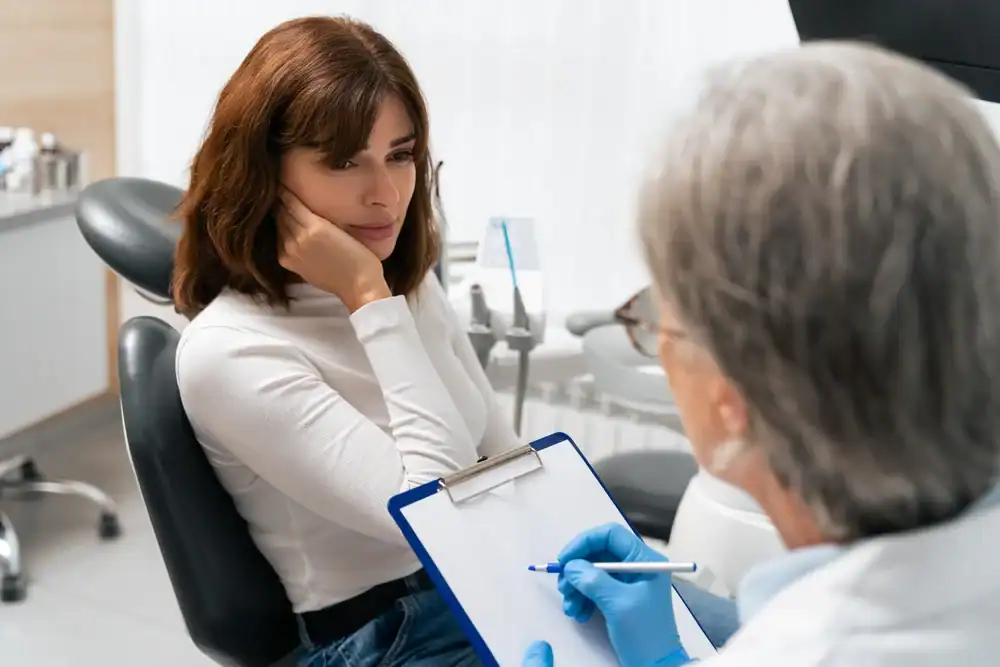

A dental check up includes more than just a cleaning. Discover what your dentist looks for during exams, why regular visits matter, and how preventive care saves you money and protects your smile.
Share:

Summary:
You know you’re supposed to see the dentist regularly. But if it’s been a while—or if you’re not sure what actually happens during a dental check up—the whole thing can feel uncertain. What will we find? Will it hurt? How much will it cost? Those questions keep a lot of people away from the dentist’s office, even when they know they should go. Here’s the truth: a routine dental check up is straightforward, usually comfortable, and designed to catch small problems before they turn into big ones. When you know what to expect, the appointment becomes less stressful and more productive. Let’s walk through what actually happens during a dental visit and why these checkups matter more than you might think.
A dental check up is more than just someone poking around your mouth. It’s a systematic evaluation of your oral health, designed to spot issues early and keep your teeth and gums in good shape. The appointment typically includes three main components: an examination, diagnostic imaging if needed, and a professional cleaning. Each part serves a specific purpose.
During the exam, we look at every tooth, check your gums for signs of disease, examine the soft tissues of your mouth, and evaluate your bite and jaw function. We’re looking for cavities, gum inflammation, oral cancer signs, worn enamel, and other conditions that might not cause symptoms yet. This is where experience matters—a skilled dentist can spot problems you’d never notice on your own.
The cleaning portion removes plaque and tartar buildup that regular brushing can’t handle. Even if you’re diligent about home care, certain areas are nearly impossible to clean thoroughly on your own. Professional cleaning prevents these deposits from causing decay or gum disease.
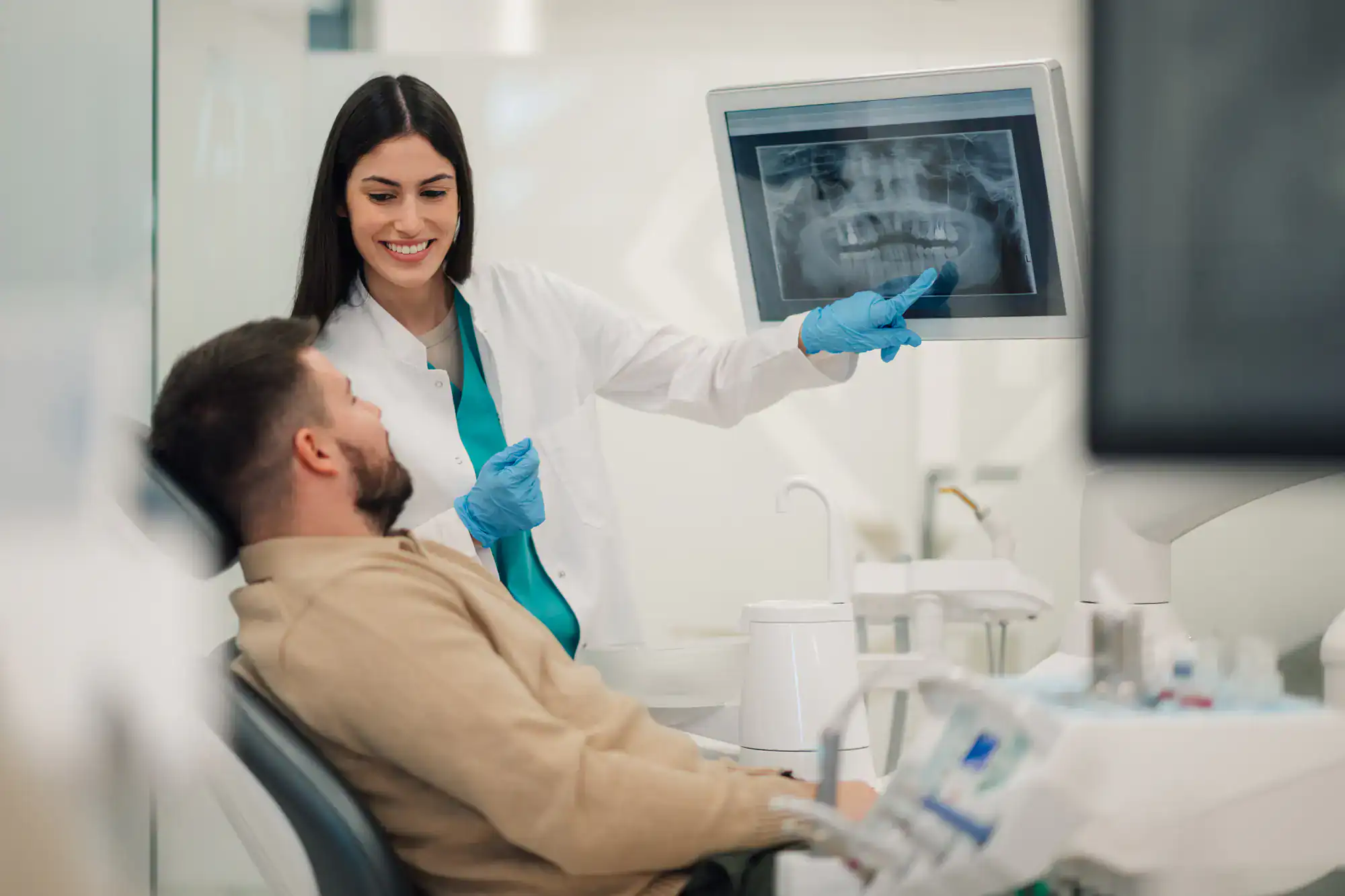
One of the biggest questions people have is about dental cleaning cost. Nationally, a routine dental exam with cleaning and X-rays averages around $203, though prices range from $50 to $350 depending on your location and the complexity of your needs. In New York, costs tend to run higher than the national average due to operating expenses and cost of living.
Here’s what typically gets included in that cost. The hygienist performs a thorough cleaning using specialized instruments to remove hardened plaque (tartar) from above and below the gum line. They polish your teeth to remove surface stains and create a smooth surface that resists plaque buildup. You’ll also get personalized instruction on brushing and flossing techniques based on what we observe about your oral hygiene.
If you have dental insurance, preventive care like routine cleanings is often covered at 100% with no deductible. Most plans cover two cleanings per year because insurance companies understand that prevention costs far less than treatment. Studies consistently show that every dollar spent on preventive dental care saves between $8 and $50 in restorative and emergency treatments. That’s not marketing talk—that’s documented research showing how regular checkups protect both your health and your wallet.
For patients without insurance, the dental check up cost might feel steep. But consider what you’re preventing: a single filling can cost $200-$450, a crown runs $1,200-$1,800, and a root canal with crown can exceed $2,000. Catching a small cavity during a routine checkup means a simple filling instead of extensive restorative work six months later. The math works in your favor when you stay on top of preventive care.
Many family dental offices throughout Schenectady County, NY offer financing options like CareCredit to make dental care more accessible. Payment plans and dental savings plans can also reduce out-of-pocket costs for patients without traditional insurance. The key is asking about your options upfront so cost doesn’t become a barrier to necessary care.
The standard recommendation you’ve probably heard is to visit the dentist twice a year. That guideline works well for most people, but it’s not one-size-fits-all. Your ideal frequency depends on your oral health status, risk factors, and medical conditions.
If you have healthy teeth and gums, no history of cavities or gum disease, and good home care habits, twice-yearly visits are usually sufficient. These appointments let us monitor your oral health and catch any changes early. For many patients, this schedule prevents problems from developing in the first place.
Some people need more frequent visits. If you have a history of gum disease, you might benefit from cleanings every three to four months to keep inflammation under control. Patients with diabetes, pregnant women, smokers, and people with weakened immune systems often need more frequent monitoring because these conditions affect oral health. We recommend a schedule based on your specific situation, not just a standard protocol.
The dental check up cost for multiple visits per year can add up, but it’s still more affordable than treating advanced disease. Periodontal disease, for example, requires deep cleaning procedures that cost significantly more than routine cleanings. That’s potentially over $1,000 for a procedure that could have been prevented with regular $200 checkups.
Here’s something most people don’t realize: skipping dental checkups doesn’t just affect your teeth. Research shows clear connections between oral health and overall health. Untreated gum disease is linked to heart disease, diabetes complications, respiratory problems, and pregnancy complications. The bacteria from infected gums can enter your bloodstream and contribute to inflammation throughout your body. Regular dental check ups aren’t just about preventing cavities—they’re part of maintaining your overall health.
Want live answers?
Connect with a Scott Kupetz expert for fast, friendly support.
While preventive care forms the foundation of dental health, many patients also want to improve their smile’s appearance. Professional teeth whitening is one of the most common cosmetic procedures requested during dental visits, and for good reason—it delivers results that over-the-counter products can’t match.
During a dental check up, we can assess whether you’re a good candidate for whitening treatments. Not everyone is. If you have untreated cavities, gum disease, or certain types of staining, you might need other treatments first. We’ll also check for issues that could affect whitening results, like exposed roots or existing dental work that won’t change color.
Professional whitening works faster and more effectively than drugstore strips or toothpaste. We use higher-concentration bleaching agents that are carefully applied to avoid damaging your gums.

In office teeth whitening can brighten your smile several shades in a single appointment. We apply a professional-grade bleaching gel to your teeth, often activated by a special light. The entire process takes about an hour, and you walk out with noticeably whiter teeth. This option works well if you have an event coming up or simply want immediate results.
Take-home professional kits provide gradual results over a couple of weeks. We create custom trays that fit your teeth precisely, and you use professional-strength whitening gel at home according to our instructions. The results build over time and can be just as dramatic as in-office treatment, but you have more control over the pace and intensity.
Our cosmetic family dentistry approach combines whitening with other aesthetic treatments when needed. Maybe whitening alone will give you the new smile you’re looking for. Or maybe you need a combination of whitening plus bonding to fix a chipped tooth, or whitening plus veneers to address both color and shape issues. We offer comprehensive cosmetic services and can create a coordinated plan that addresses all your concerns.
Cost varies depending on which whitening method you choose. In-office treatments typically run $300-$1,000, while take-home professional kits cost $200-$500. Over-the-counter products are cheaper—$20-$100—but deliver less dramatic results and take longer to work. For many people, the investment in professional whitening is worth it for the superior results and faster timeline.
Whitening addresses color, but what if you’re dealing with chips, gaps, or misalignment? That’s where family cosmetic dentistry comes in. Modern cosmetic dentistry offers solutions for a wide range of aesthetic concerns, often with less invasive procedures than you might expect.
Porcelain veneers can transform teeth that are discolored, chipped, or slightly misaligned. These thin shells bond to the front of your teeth, creating a natural-looking better smile that can last 15+ years with proper care. Veneers require some tooth preparation, so they’re a bigger commitment than whitening, but they address multiple issues at once.
Dental bonding uses tooth-colored resin to repair chips, close small gaps, or reshape teeth. It’s more affordable than veneers and can often be completed in a single visit. Bonding doesn’t last as long as veneers—typically 3-10 years depending on location and care—but it’s an excellent option for minor corrections.
For patients with more significant alignment issues, modern orthodontic options include clear aligners that straighten teeth without traditional metal braces. These treatments take longer than cosmetic fixes like veneers, but they actually move your teeth into better positions rather than just covering imperfections.
Here’s what matters most: cosmetic treatments work best when your underlying oral health is solid. You can’t build a new smile on a foundation of decay or gum disease. That’s why comprehensive dental check ups come first. We need to address any cavities, gum problems, or other issues before moving forward with cosmetic work. Otherwise, you’re putting expensive cosmetic treatments at risk of failure.
When you work with a dentist who offers both preventive and aesthetic services, you get continuity of care. You’re not bouncing between specialists for different needs. We know your complete dental history and can create a treatment plan that addresses both health and appearance in the right order.
Sometimes a routine cleaning isn’t enough. If we detect signs of gum disease during your dental check up, we might recommend a deep cleaning dental procedure. This isn’t just a more thorough version of regular cleaning—it’s a specific treatment for periodontal disease that goes beneath the gum line to remove infection and promote healing.
Gum disease starts as gingivitis, which causes red, swollen, bleeding gums. At this stage, it’s reversible with improved home care and professional cleaning. But if left untreated, it progresses to periodontitis, where infection spreads below the gum line and begins destroying the bone that supports your teeth. Nearly 42% of adults aged 30 and older have some form of periodontal disease, and about 8% have severe periodontitis. Many don’t even know it because early gum disease doesn’t hurt.
Deep cleaning, also called scaling and root planing, addresses this problem. Scaling removes plaque and tartar from below the gum line, while root planing smooths the tooth roots so gums can reattach properly. The procedure is typically done in sections, treating one or two quadrants of your mouth per visit. Local anesthetic keeps you comfortable during treatment.
Article details:
Share:
Continue learning: