

Preparing for back-to-school in Schenectady County, NY? This planning guide helps you schedule dental checkups, maximize insurance benefits, and protect your child's smile before the first bell rings.
Share:
Summary:
School starts in a few weeks, and your to-do list keeps growing. New shoes, check. School supplies, check. But somewhere between the backpack shopping and schedule juggling, there’s one item that often gets pushed to the bottom: your child’s dental checkup. Here’s the thing—that appointment might be more time-sensitive than you think. Between insurance deadlines, sports physicals, and the August appointment rush, waiting could cost you more than just a spot on the calendar. Let’s talk about why timing matters and how to plan a dental checkup that actually works for your family’s schedule.
Most parents wait until August to book dental appointments. That’s also when every other parent in Schenectady County, NY has the same idea. Dental offices get slammed, appointment slots disappear, and you’re stuck choosing between a 7 AM time slot or waiting until October.
The smarter move? Schedule when your child brings home that spring report card. Early summer gives you first pick of appointment times, and your child isn’t exhausted from a full day of camp or activities. Plus, if we find something that needs attention, you have time to address it before school starts—not during the first week of classes.
Children should see a dentist every six months for routine care. If your child’s last cleaning was in February or March, they’re due for another visit right around back-to-school time anyway. That’s not a coincidence—it’s an opportunity to knock out two priorities at once.
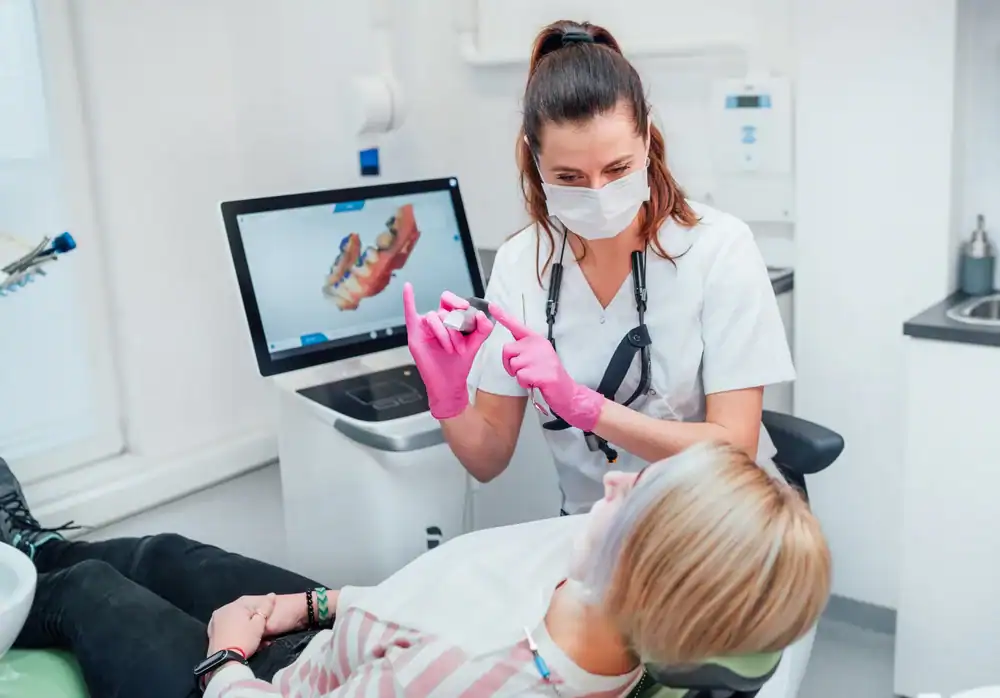
A dental checkup isn’t just about counting cavities. We examine how teeth are developing, check bite alignment, and look for early signs of problems that might not cause pain yet. For school-age kids, this is especially important because their mouths are changing fast.
The exam typically includes a thorough cleaning to remove plaque and tartar buildup—the stuff your child’s toothbrush can’t quite reach, no matter how well they brush at home. We check each tooth for decay, examine gums for inflammation, and assess whether permanent teeth are coming in properly. X-rays might be recommended to catch issues hiding between teeth or below the gum line.
This is also when we can apply dental sealants if your child’s permanent molars have recently come in. Sealants are thin protective coatings placed on the chewing surfaces of back teeth, and they reduce the risk of cavities by 80%. Most kids get their first permanent molars around age 6, then again at age 12. If your child falls in that age range, ask whether sealants make sense for them.
The appointment also gives you a chance to discuss any concerns. Maybe your child complains about tooth sensitivity, or you’ve noticed they’re breathing through their mouth at night. These seemingly small details can point to bigger issues like grinding, airway problems, or alignment concerns that are easier to address early.
For kids heading into sports seasons, this checkup is the perfect time to talk about protective gear. A knocked-out tooth or broken jaw doesn’t wait for a convenient moment, and the start of school often means the start of football, soccer, field hockey, or basketball practice.
August is when reality hits. School starts in two weeks, and you suddenly remember that dental checkup you meant to schedule back in June. You call the dentist’s office, and the earliest available appointment is mid-October. Now you’re stuck deciding whether to pull your child out of school for a dental visit or wait another few months.
Pediatric dentists consistently report that August is their busiest month. Parents scramble to fit in checkups before school starts, often because some schools require dental exams or because families want to address any issues before the academic year begins. The problem is that everyone has the same idea at the same time.
When appointment slots are limited, you lose flexibility. You can’t choose a time that works best for your child’s energy level or your work schedule. You might end up booking right after school when your child is already tired and less cooperative. That makes for a harder appointment for everyone involved.
Waiting until the last minute also means you have no buffer if treatment is needed. Let’s say we find a cavity that needs filling. In June or July, you can schedule that follow-up appointment at your convenience. In late August, you’re trying to squeeze it in before the first day of school, or your child starts the year already dealing with a dental issue that could have been resolved weeks earlier.
There’s also the insurance angle. Many families hit their deductible earlier in the year. If you’ve already met your deductible from other dental work or medical expenses, services performed before December 31st cost you less out of pocket. Waiting until fall might mean starting fresh with a new deductible if your plan renews on January 1st.
The solution is simple but requires planning: call our office when school lets out for summer. Mark it on your calendar as a recurring task every May. That one phone call eliminates the August scramble and gives you control over when and how your child’s dental care happens. You’ll thank yourself when you’re sitting in an appointment at 10 AM on a Tuesday in July instead of fighting for a 6 PM slot in late August.
Want live answers?
Connect with a Scott Kupetz expert for fast, friendly support.
Pediatric dentistry isn’t just “regular dentistry but smaller.” Dentists who work with children understand developmental stages, know how to communicate with anxious kids, and recognize problems specific to growing mouths. Your child’s needs at age 6 look completely different from their needs at age 12, and we adjust our approach accordingly.
In Schenectady County, NY, dental health programs serve thousands of children through school-based outreach. That tells you something important: dental issues in kids are common, preventable, and worth addressing early. The difference between a small cavity and a root canal often comes down to catching the problem six months sooner.
Children who experience dental pain are more likely to have lower grades and miss more school days. That’s not just about the physical discomfort—it’s about focus, confidence, and the ability to participate fully in class. A toothache doesn’t care about the math test scheduled for Thursday or the class presentation your child has been preparing for weeks.

Here’s something most families don’t realize until it’s too late: dental insurance benefits expire on December 31st, and they don’t roll over. If your plan includes a $1,500 annual maximum and you’ve only used $800 by the end of the year, that remaining $700 disappears. You’ve been paying premiums all year for coverage you didn’t use.
Most dental insurance plans cover preventive care—cleanings, exams, fluoride treatments, and X-rays—at 100%. That means these services cost you nothing out of pocket if you stay within your plan’s frequency limits (usually two cleanings per year). If your child hasn’t had their second cleaning yet this year, scheduling it before December locks in that benefit before it resets.
For treatments beyond preventive care, understanding your coverage breakdown matters. Basic procedures like fillings typically get covered at 70-80%, while major procedures like crowns might only get 50% coverage. If we recommend treatment that exceeds your remaining annual maximum, you have a decision to make: complete it now using this year’s benefits, or split the treatment across two calendar years to maximize coverage.
Here’s an example. Let’s say your child needs two crowns, and each costs $900. Your insurance covers 50%, so that’s $450 per crown, or $900 total. If you have $500 left in your annual maximum, insurance will cover $500 of the first crown, leaving you to pay $400 out of pocket for that one, plus the full $900 for the second crown. Total out-of-pocket: $1,300.
But if you do one crown in December using the last $500 of this year’s maximum, then do the second crown in January when your benefits reset, insurance covers $450 of each crown. Your total out-of-pocket drops to $900. That’s $400 in savings just by understanding how the calendar affects your coverage.
The back-to-school checkup becomes even more valuable when you think about it this way. Scheduling in July or August gives you time to plan any necessary treatment strategically. You can discuss options with us, verify coverage with your insurance company, and make decisions based on what’s best for your child’s health and your family’s budget—not just what fits into the two weeks before school starts.
Don’t forget about FSA or HSA accounts if you have them. Flexible Spending Accounts typically operate on a “use it or lose it” basis, with funds expiring December 31st (though some employers allow a small rollover or grace period). If you’ve been contributing to an FSA all year, dental care is an eligible expense. That money is already set aside—you’re just deciding whether to use it or forfeit it.
Your child has a physical, new cleats, and a practice schedule. But if they’re heading into a contact sport without a properly fitted mouth guard, they’re missing critical protection. Studies show that athletes who don’t wear mouth guards are 60 times more likely to suffer dental injuries. That’s not a small risk—it’s a near certainty if they play long enough.
Generic mouth guards from sporting goods stores offer some protection, but they don’t fit well, make breathing harder, and often end up in the gym bag instead of in your child’s mouth because they’re uncomfortable. Custom-fitted mouth guards made by a dentist mold to your child’s exact teeth structure. They stay in place, allow normal breathing and speaking, and actually get worn because they don’t feel like a foreign object.
The National Federation of State High School Associations mandates mouth guards for football, field hockey, ice hockey, lacrosse, and wrestling (for athletes with braces). But dental injuries happen in basketball, soccer, baseball, and even non-contact sports like skateboarding or gymnastics. Any activity where impact to the face is possible puts teeth at risk.
Here’s what a knocked-out permanent tooth costs: emergency dental visit, possible root canal, crown or implant, follow-up appointments, and potentially years of additional dental work as your child grows. Compare that to the one-time cost of a custom mouth guard, and the math isn’t even close. The mouth guard wins every time.
The best time to get a mouth guard fitted? During that back-to-school dental checkup. Your child is already in the chair, we’re already examining their mouth, and you can knock out two protective measures in one appointment. We take impressions, and within a week or two, your child has a custom mouth guard ready before the first practice.
For kids with braces, this becomes even more important. Braces create sharp edges and brackets that can cut the inside of the mouth during impact. A mouth guard designed for braces protects both the teeth and the soft tissues from laceration. It also protects the braces themselves—broken brackets and bent wires from sports injuries mean extra orthodontist visits and potentially extended treatment time.
Don’t wait until after the first game or the first injury to think about mouth guards. By then, you’re dealing with damage that could have been prevented. The back-to-school checkup is your opportunity to be proactive instead of reactive.
Back-to-school preparation goes beyond school supplies and new clothes. Your child’s dental health directly affects their ability to focus in class, participate in sports, and start the year with confidence. Scheduling a dental checkup early—before the August rush—gives you control over timing, maximizes your insurance benefits, and catches problems while they’re still small and inexpensive to fix.
The families who handle this well are the ones who plan ahead. They call in May or June, secure convenient appointment times, address any treatment needs with time to spare, and get sports mouth guards fitted before practices begin. They use their insurance benefits strategically, understanding that December 31st is a hard deadline that doesn’t care about your good intentions.
If your child is due for a checkup or if you want to discuss preventive care options before school starts, we’re here to help. With over 30 years of experience serving families in Schenectady County, NY and surrounding areas, we understand what busy parents need: convenient locations, flexible scheduling, and dental care that doesn’t add stress to your already full plate.
Article details:
Share:
Continue learning: