
Not all natural teeth whitening methods are safe or effective. Some popular DIY remedies can permanently damage your enamel while delivering disappointing results.
Share:

Summary:
You want whiter teeth. That’s not vanity—it’s normal. Coffee stains, wine, aging, maybe years of less-than-perfect brushing have left your smile looking dull. So you start searching for natural teeth whitening solutions, and suddenly you’re drowning in conflicting advice. Baking soda, charcoal, oil pulling, lemon juice—everyone swears their method works.
Here’s what you need to know before you try any of them: some natural whitening methods can help with surface stains. Others will damage your enamel in ways you can’t undo. And a few are complete wastes of time backed by zero actual science.
This isn’t about scaring you away from every home remedy. It’s about giving you the real information so you can make smart decisions about your teeth. Let’s start with what actually causes discoloration in the first place.
Your teeth aren’t supposed to be pure white. Healthy tooth enamel has a slightly off-white or even faintly yellow tone because there’s a layer called dentin underneath—and dentin is naturally yellowish.
When people talk about teeth whitening methods, they’re usually dealing with two types of stains. Extrinsic stains sit on the surface of your enamel and come from things like coffee, tea, red wine, tobacco, and certain foods. These are the stains that some natural methods can actually address. Intrinsic stains are different—they’re inside the tooth structure itself, caused by medication, trauma, or aging. No amount of home teeth whitening will touch those.
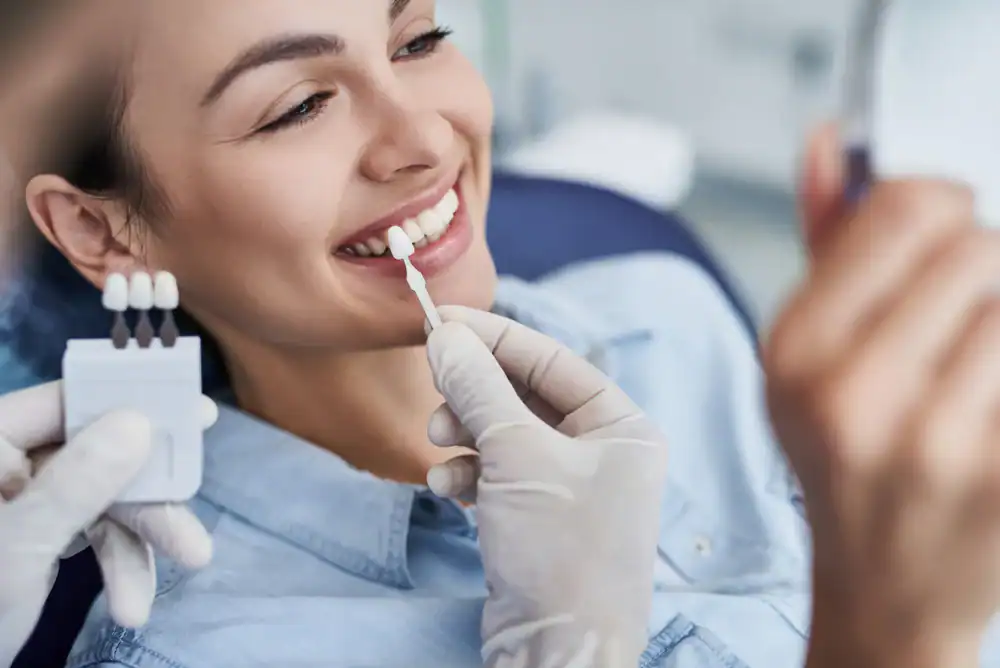
If you’ve researched DIY teeth whitening at all, you’ve seen this one. Mix baking soda with hydrogen peroxide, brush with the paste, and supposedly your teeth will brighten. It’s cheap, it’s easy, and millions of people across Schenectady County and beyond try it every year.
Does it work? Sort of. Baking soda is mildly abrasive, which means it can scrub away surface stains. Hydrogen peroxide is a bleaching agent that can break down some discoloration. Together, they can make a visible difference on surface-level staining.
But here’s the problem: overuse causes enamel damage. Baking soda doesn’t just remove stains—it removes enamel if you use it too aggressively or too often. Once that protective layer is gone, it doesn’t grow back. Your teeth become more sensitive, more prone to cavities, and actually more susceptible to staining because the yellowish dentin underneath starts showing through.
Hydrogen peroxide also carries risks. If you’re using drugstore peroxide at 3% concentration and applying it incorrectly, you can irritate your gums or cause chemical burns. Professional whitening uses controlled concentrations with protective barriers for your soft tissue. At home, you don’t have those safeguards.
If you do try this method, limit it to once or twice a week maximum. Use a very light hand when brushing. Stop immediately if you notice tooth sensitivity or gum irritation. Better yet, talk to a dentist first to make sure your teeth can handle it.
The truth is, this method might lighten your teeth by one or two shades if you’re lucky. Professional teeth whitening can achieve results that are several shades brighter in a single appointment, without the guesswork or the risk of doing it wrong. That’s the real difference between experimenting at home and getting supervised care.
Activated charcoal exploded in popularity over the last few years. The idea sounds logical enough—charcoal is absorbent, so it should pull stains off your teeth, right? Social media is full of videos showing people brushing with black powder and claiming dramatic results.
The research tells a different story. A review in the British Dental Journal found no reliable evidence that charcoal-based products effectively whiten teeth. What they did find was concern about the abrasive nature of charcoal and its potential to damage both enamel and existing dental work like fillings or crowns.
Think about what abrasive means in this context. Charcoal particles are rough. When you scrub them against your teeth, you’re essentially sanding down the enamel. You might remove some surface stains in the process, but you’re also wearing away the protective outer layer of your tooth.
And here’s something most people don’t consider: charcoal can get embedded in tiny cracks or crevices in your teeth and gums, making it difficult to remove completely. It can also obscure early signs of oral health problems during dental exams because it creates a dark residue that interferes with visual inspection.
Some charcoal toothpastes are gentler than straight charcoal powder, but even those lack solid scientific backing for whitening effectiveness. You’re better off using a whitening toothpaste that’s earned the ADA Seal of Acceptance—those have been tested for both safety and actual results.
If you’ve already been using charcoal and you’re noticing increased sensitivity or your teeth looking more yellow instead of whiter, that’s a sign you’ve worn down your enamel. The yellowish dentin layer is showing through. That damage is permanent, and you’ll need professional help to address it safely.
Want live answers?
Connect with a Scott Kupetz expert for fast, friendly support.
Not all natural teeth whitening methods are created equal. Some are just ineffective. Others are actively harmful and can cause damage you’ll regret. Let’s talk about the ones you should avoid entirely, no matter how many blog posts or videos recommend them.
The common thread with these dangerous methods is acidity. Your tooth enamel can handle a lot, but repeated exposure to acidic substances breaks it down. Once it’s gone, it’s gone forever. No remineralizing toothpaste or treatment will bring it back to its original state.
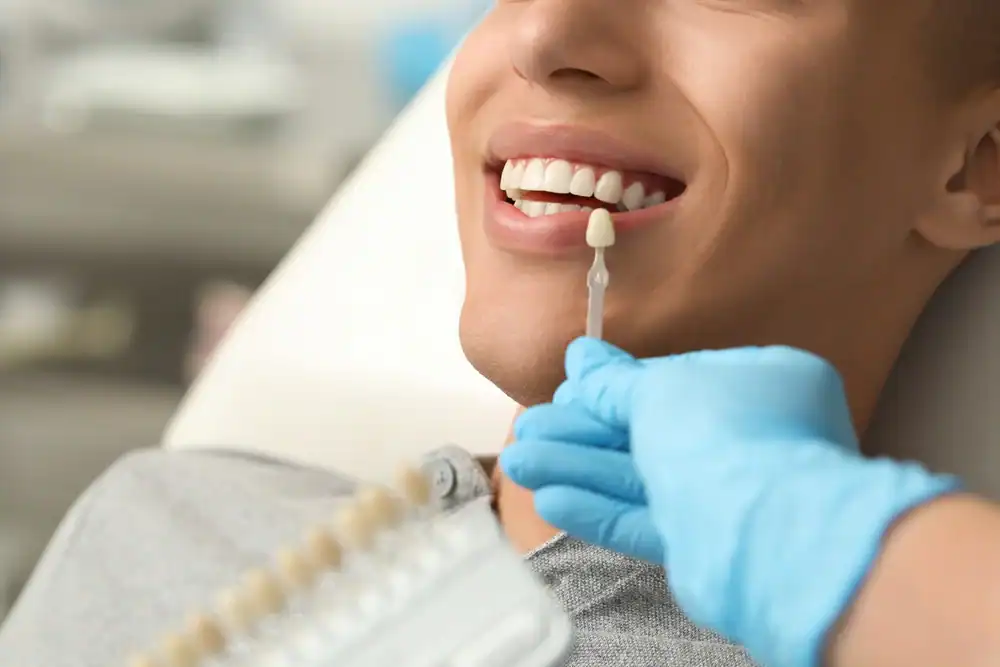
Lemon juice and apple cider vinegar show up constantly in natural whitening advice. The logic seems sound—acid breaks down stains, and these are natural acids, so they must be safe teeth whitening options. That logic is completely wrong.
These substances are highly acidic. When you apply them to your teeth, especially if you let them sit for any length of time, they don’t just remove stains. They dissolve your enamel. This process is called erosion, and it’s irreversible. You’re not whitening—you’re damaging.
Some DIY recipes tell you to mix lemon juice with baking soda to create a whitening paste. The baking soda is abrasive and the lemon juice is acidic—you’re attacking your enamel from two directions at once. You might see some whitening at first because you’re stripping away the stained outer layer, but you’re also making your teeth weaker, more sensitive, and more prone to future staining.
Apple cider vinegar has the same problem. It’s acidic enough to break down plaque and surface stains, but it’s also acidic enough to damage your enamel if used too frequently. Some people swish it like mouthwash. That’s even worse because you’re bathing all your teeth in acid.
The tooth sensitivity you might feel after using these methods isn’t a sign they’re working. It’s a sign you’re damaging the protective layer of your teeth. The increased risk of cavities that follows isn’t worth any minor whitening you might achieve. Patients in Rotterdam, Schenectady, and throughout the Capital Region who’ve tried these methods often end up needing restorative work to repair the damage.
If you want to use acidic foods and drinks, enjoy them as part of your normal diet. Just don’t let them sit on your teeth, and rinse with water afterward. But as a deliberate whitening treatment? Skip it entirely.
Oil pulling is an ancient Ayurvedic practice where you swish oil—usually coconut oil—in your mouth for 10 to 20 minutes. Proponents claim it whitens teeth, improves gum health, and removes toxins. It’s natural, it won’t hurt you, and it might offer some minor benefits for oral health by reducing bacteria.
But as a whitening method? The evidence is weak at best. Oil pulling doesn’t contain any bleaching agents. It’s not abrasive enough to remove surface stains. What it might do is help prevent new stains from forming by reducing the bacterial load in your mouth, but that’s not the same as whitening.
If you enjoy oil pulling and it makes your mouth feel cleaner, there’s no harm in continuing. Just don’t expect it to noticeably brighten your smile. It’s more of a supplementary oral hygiene practice than an actual whitening treatment.
Strawberries mixed with baking soda is another popular recommendation. Strawberries contain malic acid, which theoretically could help with stains. But research examining this combination found no measurable whitening improvement. You’re better off just eating the strawberries and brushing your teeth with regular toothpaste.
Banana peels, orange peels, and turmeric also show up in natural whitening advice. The evidence supporting any of these is minimal to nonexistent. Some, like citrus peels, carry the same acidity risks we already discussed. Turmeric might have anti-inflammatory benefits for your gums, but its whitening effects are questionable at best—ironic, given how intensely yellow the spice is.
The pattern here is clear: just because something is natural doesn’t mean it’s effective for whitening. And “natural” definitely doesn’t automatically mean “safe.” Your teeth deserve better than guesswork and internet trends.
Look, some natural teeth whitening methods can help with very mild surface stains. A whitening toothpaste with the ADA Seal of Acceptance used consistently over time might brighten your smile by a shade or two. Baking soda used sparingly and carefully might remove some coffee stains.
But if you’re looking for real, noticeable results—the kind that actually make you feel confident about your smile—professional whitening is a completely different category of effectiveness. The concentration of bleaching agents used in a dental office is significantly higher than anything you can safely use at home. The treatment is customized to your specific needs and sensitivity level. It’s supervised by someone who knows how to protect your gums and enamel while delivering results.
You’re not risking enamel damage from abrasive scrubbing or acid exposure. You’re not playing guessing games about whether a method is safe or effective. You’re getting predictable, dramatic results in a fraction of the time you’d spend experimenting with home remedies. That’s what makes the teeth whitening cost worth it for most people—you’re paying for expertise, safety, and actual results.
For patients in Schenectady County, NY dealing with dental anxiety, we offer sedation options that make the entire process comfortable. Same-day appointments mean you’re not waiting weeks while continuing to feel self-conscious about your smile. And with over 30 years of experience serving Rotterdam, Wappingers Falls, and the surrounding areas, we’ve seen every type of tooth discoloration and know exactly how to address it safely.
Natural methods have their place for maintenance and minor touch-ups. But when you’re ready for results that actually match your expectations, professional treatment is the answer. Your smile is worth getting it right the first time.
Continue learning: