

Insurance companies don't make it easy to understand implant coverage. Here's what you actually need to know about maximizing your benefits and avoiding surprise bills.
Share:
Summary:
You’ve been told you need dental implants. The next question hits immediately: will insurance cover this?
The answer isn’t simple. Most insurance companies don’t make implant coverage straightforward, and what you think is covered often isn’t. Annual maximums fall short. Medicare leaves gaps. Surprise bills show up when you least expect them.
Here’s what you need to know about dental insurance for implants in Schenectady County, NY, how to actually maximize your benefits, and what to do when coverage falls short. Let’s start with how insurance companies handle implant procedures.
Most dental insurance plans classify implants as major procedures. That means partial coverage at best, usually around 50% after you meet your deductible. But there’s a catch you need to know about.
Your plan likely has an annual maximum between $1,000 and $2,000. A single implant in Schenectady County typically costs between $3,170 and $5,820. Do the math and you’ll see the gap insurance leaves.
Insurance might cover portions of your treatment—the extraction, imaging, or crown—while excluding the implant post itself. Every plan handles this differently, which is why getting a detailed breakdown before treatment starts matters more than anything else.
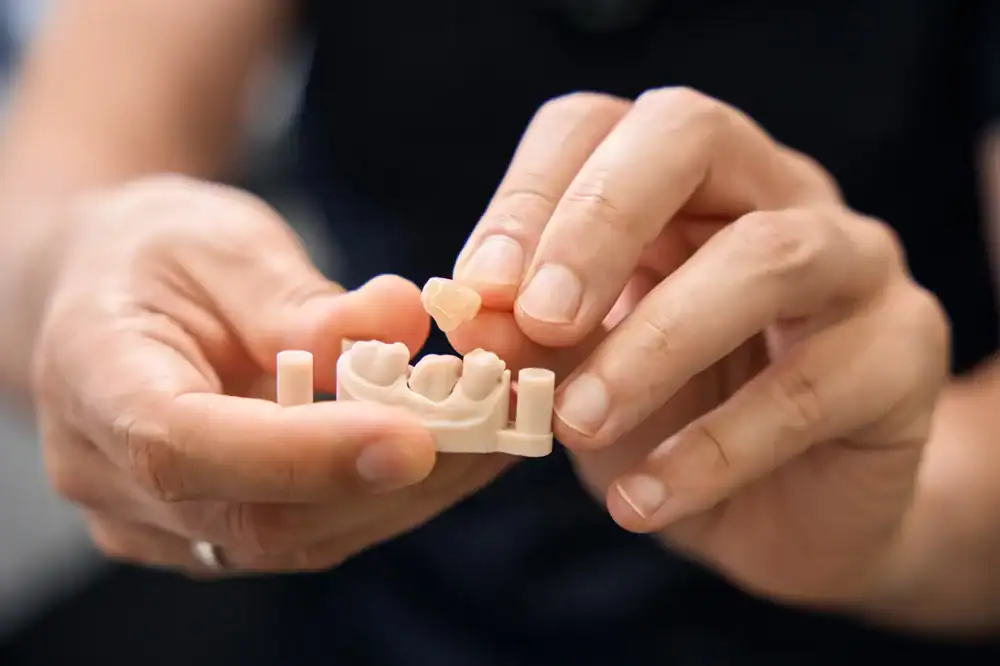
Here’s something most dentists won’t tell you upfront: insurance companies frequently downgrade implant procedures to cheaper alternatives. This affects your out-of-pocket costs significantly.
You submit a claim for an implant, and your insurance responds by saying they’ll cover a removable partial denture instead. They pay based on the cheaper option, leaving you to cover the difference. This isn’t a mistake or oversight. It’s how many plans are structured to limit their costs.
The downgrade happens because insurers classify implants as elective or cosmetic, even when they’re medically necessary for eating, speaking, or preventing bone loss. They’d rather pay for a $500 denture than a $4,000 implant, regardless of which option actually serves your long-term health.
This is why detailed written treatment plans matter before you start. When your dentist submits documentation showing why an implant is necessary—not just cosmetic—it strengthens your case for proper coverage. Medical necessity language makes a real difference in how insurance companies process your claims.
You can’t always prevent a downgrade, but knowing it’s coming lets you plan financially instead of getting blindsided. Ask your dentist to submit a preauthorization before treatment begins. It won’t guarantee payment, but it shows you exactly what your insurance will and won’t cover before you’re committed to the procedure.
We’ve been helping Schenectady County residents navigate these insurance complications since 1988 from our Rotterdam and Wappingers Falls locations. We provide clear documentation that prevents billing surprises and work to maximize whatever benefits your plan actually offers.
If you lost a tooth before you signed up for your current dental insurance, there’s a good chance your plan won’t cover replacing it. This is called the missing tooth clause, and it catches people off guard constantly.
Insurance companies include this provision to prevent people from signing up specifically to cover pre-existing tooth loss. The clause states that implants are only eligible for coverage if the natural tooth was removed while you were already covered under the policy. Not before.
Lost a tooth five years ago and just got new insurance last year? That implant probably won’t be covered, even if everything else about your plan includes implant benefits. The tooth was missing before your coverage began, so the insurance company won’t pay.
Some plans are more flexible than others. Employer-sponsored plans sometimes waive this clause. Individual plans you purchase on your own almost never do. This is one reason why maintaining continuous dental coverage matters, even during job changes or life transitions.
If the missing tooth clause affects you, it doesn’t mean implants are off the table. It means you’ll need to explore financing options like CareCredit, payment plans, or using HSA and FSA accounts to cover the cost. These alternatives work, and many Schenectady County residents use them successfully when insurance won’t help.
The key is knowing about the clause before you assume coverage exists. Review your policy documents or call your insurance provider directly to ask about missing tooth provisions. Get the answer in writing so there’s no confusion when it’s time to file claims.
Want live answers?
Connect with a Scott Kupetz expert for fast, friendly support.
You can’t change what your insurance covers, but you can use your benefits more strategically. Timing matters. Documentation matters. Understanding how annual maximums work can save you thousands of dollars.
Most dental insurance operates on a calendar year. Your annual maximum resets January 1st. If you’re planning implant treatment that will cost more than your maximum, consider splitting the procedure across two benefit years.
Have the extraction and bone graft done in December, then place the implant and crown after January 1st. This approach lets you access two years of benefits for one treatment. It requires planning ahead, but for a procedure that already takes several months from start to finish, the timeline usually works in your favor.

If you’re on Medicare, the coverage situation is straightforward and frustrating: Original Medicare doesn’t cover dental implants. Period. No exceptions for routine cases.
Medicare Parts A and B exclude routine dental care entirely, including implants, extractions, and dentures. The only exception is if dental work is directly tied to a covered medical procedure—like jaw reconstruction after an accident or dental treatment before cancer therapy. Even in those rare cases, Medicare covers the hospital costs, not the dental procedure itself.
Medicare Advantage plans offer a different option worth exploring. Around 97% of these plans now include some dental benefits, and a small percentage cover implants. But coverage comes with serious limitations you need to understand before getting excited.
Annual maximums on Medicare Advantage dental benefits typically range from $1,000 to $1,500. A single implant in Schenectady County costs significantly more than that. The plan might cover your exam, X-rays, and part of the crown, but you’ll still face substantial out-of-pocket costs for the implant post and surgical placement.
Some Medicare Advantage plans also impose waiting periods of 6 to 12 months for major procedures. If you just enrolled during open enrollment, you might not be able to use implant benefits until next year. That delay can be problematic if you’re dealing with bone loss or infection.
For Schenectady County residents on Medicare, this creates a real financial challenge. We’ve worked with Medicare patients for over 30 years and understand these limitations inside and out. We can help you understand exactly what your Medicare Advantage plan covers and what financing options can fill the gaps insurance leaves.
If Medicare won’t cover your implants—and it usually won’t—you’re not out of options. Supplemental dental insurance, dental discount plans, or financing through CareCredit can make treatment accessible. HSAs and FSAs also work for implant costs if you have access to these accounts through a spouse’s employer plan or your own retirement savings.
When insurance won’t cover the full cost of implants—and it usually won’t—financing becomes essential to getting treatment. CareCredit is the most common option dental offices accept in Schenectady County, and for good reason.
CareCredit works like a healthcare credit card. You apply right at the dental office, get approved within minutes, and can use it immediately for treatment. The advantage is promotional financing: many plans offer 0% interest if you pay the balance within 6, 12, or 24 months depending on the total amount.
Here’s the catch you need to watch for. If you don’t pay off the full balance before the promotional period ends, you get hit with deferred interest. That interest gets calculated from the original purchase date, often at rates above 25%. Miss the deadline by even one payment, and you’re paying interest on the entire original amount retroactively.
CareCredit works well if you can realistically pay off the balance within the promotional period. If a single implant costs $4,000 and you have 12 months at 0% interest, that’s roughly $333 per month. Doable for some budgets, impossible for others. Be honest with yourself about what you can actually afford monthly.
Other financing options exist beyond CareCredit. Some dental practices offer in-house payment plans with lower interest rates and more flexible terms. Personal loans from banks or credit unions might offer better rates if you have good credit. Medical lending companies like LendingClub provide longer repayment periods that reduce monthly payments to more manageable amounts.
We accept CareCredit and work with patients to find financing that fits their actual budget. The goal isn’t just to get you approved—it’s to make sure you can actually afford the monthly payments without financial stress that makes you regret getting treatment.
HSAs and FSAs offer another path worth exploring. These accounts let you set aside pre-tax money for medical expenses, including dental implants. If you have access to an HSA or FSA through your employer, you can use those funds to cover what insurance doesn’t. The tax savings can reduce your effective cost by 20-30% depending on your tax bracket.
For patients without insurance coverage, combining multiple strategies often works best. Use your HSA for part of the cost, finance the remainder through CareCredit, and time your treatment to maximize any dental benefits you do have. It takes planning and coordination, but it makes implants accessible even when insurance falls short of covering the full amount.
Insurance companies don’t make understanding implant coverage easy. Annual maximums, downgrades, waiting periods, and missing tooth clauses all create barriers between you and the treatment you need. Medicare leaves most seniors without federal coverage. Surprise bills happen when you don’t know what to expect before treatment starts.
The solution isn’t hoping your insurance will cover more than it does. It’s getting clear answers before treatment begins, understanding exactly what you’ll pay out of pocket, and having a solid plan for the gap between insurance coverage and total costs.
We’ve helped Schenectady County residents navigate dental insurance for implants since 1988. We provide detailed written treatment plans, submit preauthorizations to prevent surprises, and work with financing options when insurance falls short. Schedule a consultation with us to get transparent answers about your coverage and costs before making any decisions about your dental health.
Article details:
Share:
Continue learning: