

Dental plaque forms daily on your teeth, hardening into tartar within just 72 hours. Understanding how to prevent and remove it protects your smile from decay and gum disease.
Share:

Summary:
That fuzzy feeling on your teeth by the end of the day isn’t just leftover lunch. It’s dental plaque—a sticky bacterial film actively working against your smile right now. You probably know you should brush and floss to fight it, but most people don’t realize how quickly plaque turns into a real problem or what actually happens when it’s left alone. Once you understand what you’re dealing with, preventing and removing dental plaque becomes straightforward. You’ll learn what’s forming on your teeth between visits and when it’s time to call in professional help.
Dental plaque is a soft, sticky film of bacteria that constantly forms on your teeth throughout the day. Usually colorless or pale yellow, it’s hard to spot until it builds up. Every time you eat or drink, bacteria in your mouth feed on the sugars and starches, creating acids that attack your tooth enamel.
This bacterial film doesn’t just sit there harmlessly. Plaque contains millions of bacteria that multiply rapidly, especially after meals. When saliva, food particles, and fluids combine in your mouth, they create the perfect environment for these bacteria to thrive and form deposits where your teeth and gums meet.
The real problem starts when dental plaque isn’t removed regularly. Within 24 to 72 hours, minerals from your saliva cause plaque to harden into tartar, also called calculus. Once that transformation happens, your toothbrush becomes useless against it.
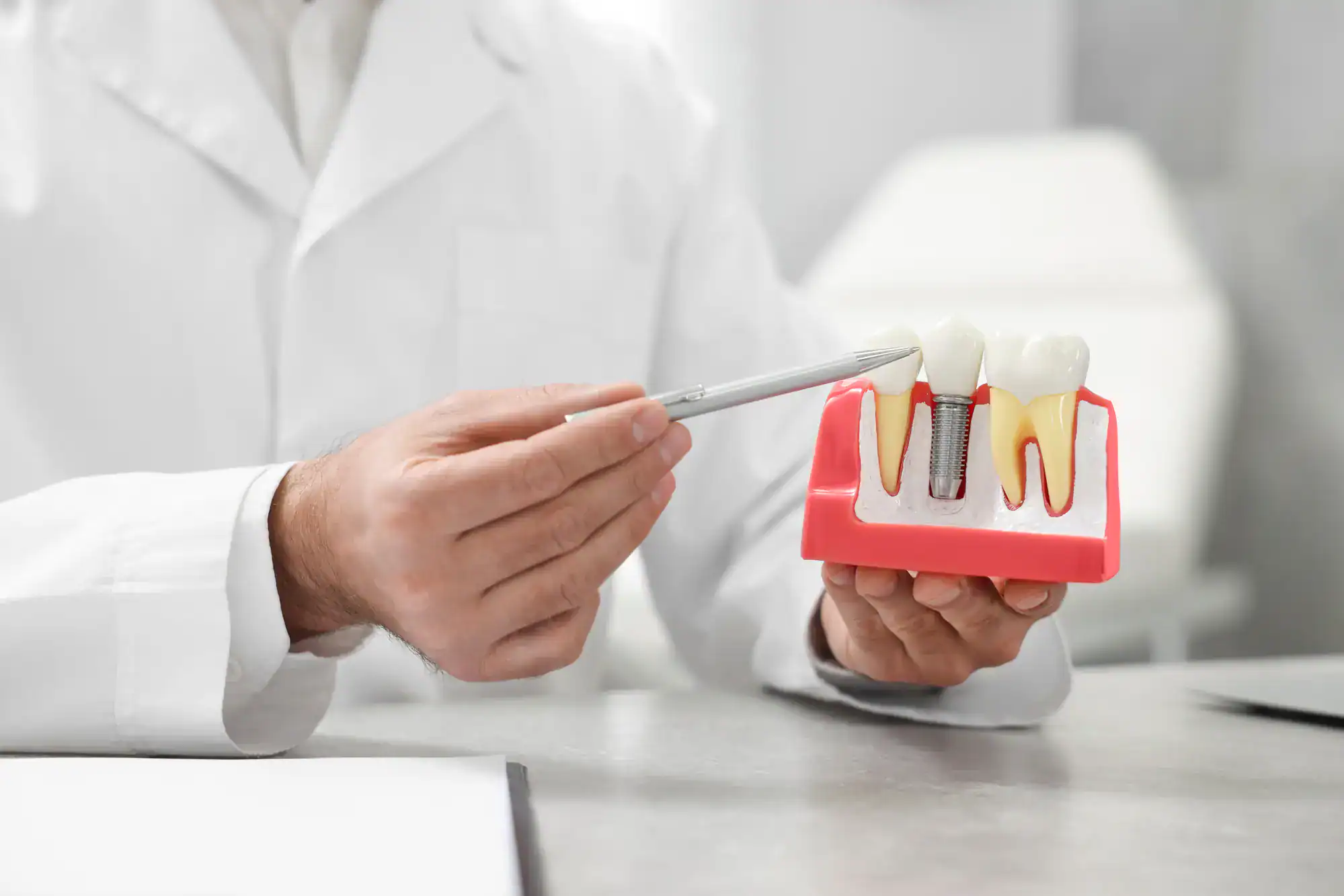
The transformation from soft plaque to hard tartar happens faster than most people realize—you’ve got roughly three days before that sticky film mineralizes into a crusty deposit that bonds to your tooth enamel. Miss a couple of days of brushing, and you’re giving plaque enough time to transform into something your toothbrush can’t touch.
During those 72 hours, calcium and phosphate from your saliva seep into the plaque, causing it to calcify and harden. This process is continuous. Consistency matters more than perfection when it comes to oral hygiene.
The speed of this hardening varies from person to person. Some people’s saliva has higher mineral content, which means their dental plaque calcifies faster. Age, genetics, medications, and even your diet influence how quickly tartar forms. If you’ve noticed that rough, gritty feeling along your gumline despite regular brushing, you’re probably dealing with tartar buildup.
Once tartar forms, it creates a rough surface that attracts even more plaque. This vicious cycle is why people who skip regular dental cleanings often face accelerating problems. The tartar provides an ideal surface for new bacteria to cling to, making it increasingly difficult to keep your teeth clean at home.
Tartar doesn’t just affect the visible parts of your teeth—it can form below the gumline too, where you can’t see or feel it. This subgingival tartar is particularly problematic because it irritates your gums and creates pockets where bacteria thrive, setting the stage for gum disease. Professional removal becomes necessary, not optional.
Ignoring dental plaque doesn’t make it go away. It makes it worse. The bacteria in plaque produce acids that eat away at your tooth enamel, creating cavities. When plaque accumulates along your gumline, it causes inflammation—red, swollen, bleeding gums. That’s gingivitis.
Gingivitis is reversible with proper care and professional cleaning. But if tartar continues building up and pushing your gums away from your teeth, gingivitis progresses to periodontitis, a more serious form of gum disease. At this stage, the infection damages the bone and connective tissue that hold your teeth in place. Left untreated, periodontitis leads to tooth loss.
The consequences extend beyond your mouth. Research shows that bacteria from gum disease can enter your bloodstream and contribute to heart disease, diabetes complications, and respiratory infections. What starts as a little plaque on your teeth can have system-wide health implications.
Bad breath is another common problem. The bacteria in dental plaque and tartar release sulfur compounds that cause persistent halitosis. No amount of mouthwash will fix it if the underlying buildup isn’t addressed. You’re masking the symptom, not treating the cause.
Tartar also causes cosmetic issues that affect confidence. Those yellow or brown deposits along your gumline don’t just feel rough—they’re visible when you smile or talk. Many people become self-conscious about their appearance, which can impact both personal and professional interactions.
The financial cost adds up too. Treating advanced gum disease, getting fillings for cavities, or replacing lost teeth costs significantly more than regular preventive cleanings. A routine cleaning might run $75-$200, while treating periodontal disease can cost thousands. Prevention is always cheaper than repair.
Want live answers?
Connect with a Scott Kupetz expert for fast, friendly support.
When tartar has built up below your gumline or you’re showing signs of gum disease, a regular cleaning won’t cut it. That’s when deep cleaning dental procedures become necessary. Also called scaling and root planing, this treatment goes beyond the surface to remove bacteria and tartar from areas your toothbrush can’t reach.
Deep cleaning dental work is different from routine prophylaxis in both scope and technique. We use specialized instruments, including ultrasonic scalers that vibrate and flush away deposits, along with hand tools for precision work. The goal is to remove all tartar and bacteria from below the gumline and smooth the tooth roots so your gums can reattach properly.
Most people only need deep cleaning dental treatment once to address active gum disease. Afterward, you’ll move to periodontal maintenance visits every three to four months instead of the standard six-month schedule. This helps prevent the disease from returning and keeps your gums healthy long-term.
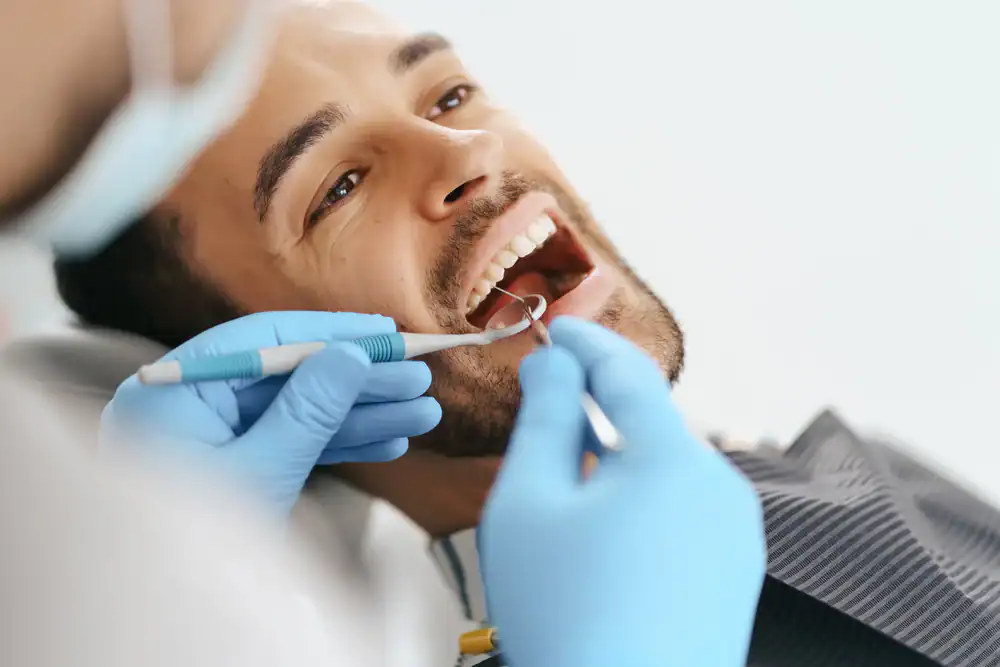
Cost is one of the biggest questions people have about dental care, and the dental check up cost varies based on what you need and where you live. In New York, a routine dental checkup with cleaning typically costs between $225 and $300 if you have insurance. Without insurance, you’re looking at $700 to $963 for a comprehensive visit that includes examination, X-rays, and cleaning.
Most dental insurance plans cover preventive care like routine cleanings and exams at 100%, meaning you pay nothing out of pocket for your twice-yearly visits. This is why having insurance makes such a difference in maintaining regular care. If you don’t have coverage, we offer payment plans and accept CareCredit to make treatment more affordable.
Deep cleaning dental costs are separate from routine cleanings because they’re treating a disease process, not just preventing one. Without insurance, expect to pay $150 to $350 per quadrant. Your mouth is divided into four quadrants, and you may need treatment in just one area or all four, depending on where tartar has accumulated and how advanced your gum disease is.
Insurance typically covers 50% to 80% of deep cleaning dental costs when it’s deemed medically necessary. We’ll document clinical findings like pocket depths and bone loss to justify the treatment to your insurance company. Some plans have waiting periods for major procedures, so if you’re considering getting insurance, factor that into your timeline.
The first visit as a new patient usually costs more because it includes a comprehensive exam, full set of X-rays, and detailed assessment of your oral health. These baseline diagnostics help us create a treatment plan tailored to your specific needs. Follow-up visits for routine cleanings are less expensive since you won’t need X-rays every time.
Don’t let the dental check up cost keep you from getting necessary care. Delaying treatment allows problems to worsen, ultimately costing more in both dental work and potential tooth loss. We’ll work with you on payment options or prioritize treating the most critical areas first if you can’t afford everything at once.
If you’re anxious about what happens during a cleaning, knowing what to expect can ease your mind. For a routine cleaning, your hygienist uses a scaler to gently remove dental plaque and tartar from around your gums and between your teeth. You’ll feel pressure and scraping sensations, but it shouldn’t hurt. If you have sensitive areas, speak up—your hygienist can adjust their technique or offer numbing gel.
Ultrasonic scalers are common in modern dental offices. These tools use vibrations and water to break up tartar without the manual scraping that makes some people uncomfortable. The high-pitched sound can be off-putting, but the actual sensation is usually just a tickling or buzzing feeling on your teeth.
After scaling, your teeth are polished with a gritty paste that removes surface stains and makes your teeth feel smooth. This step also helps prevent new dental plaque from sticking as easily. Finally, you’ll rinse and may receive a fluoride treatment to strengthen your enamel.
Deep cleaning dental procedures take longer and go deeper. Because the work extends below the gumline, local anesthesia is typically used to keep you comfortable. We numb the areas being treated so you don’t feel pain during the scaling and root planing process. Each quadrant takes one to two hours to treat thoroughly.
For patients with dental anxiety, we offer sedation options that make the experience much easier. Nitrous oxide (laughing gas) helps you relax while remaining conscious and able to respond. Oral sedation involves taking medication before your appointment for deeper relaxation, particularly helpful for longer procedures. We also offer IV sedation for patients with severe anxiety or complex treatment needs.
After deep cleaning dental treatment, your gums may feel tender for a few days. Stick to soft foods and avoid very hot, cold, or spicy items initially. Sensitivity is normal and should decrease within a week or two as your gums heal and reattach to your teeth. We’ll schedule a follow-up visit to check your progress and measure pocket depths to confirm improvement.
Dental plaque forms constantly, but it doesn’t have to control your oral health. Brushing twice a day for two minutes, flossing daily, and using antibacterial mouthwash removes plaque before it hardens into tartar. Limiting sugary and starchy foods reduces the fuel that plaque bacteria feed on. Drinking water throughout the day helps wash away food particles and keeps your mouth cleaner between brushing.
Professional cleanings every six months catch what you miss at home and remove any tartar that’s formed. If you’re prone to buildup or have gum disease, we may recommend more frequent visits every three to four months. These regular appointments aren’t just about keeping your teeth looking good—they’re about preventing the expensive, painful problems that develop when dental plaque is left unchecked.
If it’s been a while since your last cleaning, or if you’re noticing signs like bleeding gums, bad breath, or rough spots on your teeth, don’t wait. Addressing plaque and tartar early prevents bigger issues down the road. For gentle, comprehensive dental care in Schenectady County, NY, we offer the expertise and sedation options that make even deep cleaning dental procedures comfortable for anxious patients.
Continue learning: