Need dental implants but worried about the cost? Discover monthly payment options, in-house financing, and flexible plans that make treatment accessible in Schenectady County, NY.
Share:
Summary:
The quote hits you harder than expected. Several thousand dollars for a single implant. Tens of thousands for full-mouth restoration. You need the treatment, but paying everything upfront isn’t realistic for most people.
That’s where dental implants monthly payments come in. Instead of choosing between your savings account and your smile, financing options let you spread costs over time while getting the care you need now. From third-party lenders to in-house payment plans, zero-interest periods to HSA funds, you have more choices than you might think.
Let’s walk through what’s actually available in Schenectady County, NY and how each option works for your situation.
Dental implant costs in Schenectady County typically range from $3,500 to $7,500 for a single tooth replacement, including the implant post, abutment, and crown. Full-mouth restoration can run $25,000 to $50,000 or more depending on complexity. Those numbers feel overwhelming when you’re looking at them all at once.
The good news is that we offer multiple ways to break down these costs into monthly payments that fit your budget. You’re not limited to one financing path. Some patients combine methods—using insurance benefits for part of the cost, an FSA for another portion, and financing the rest through a payment plan.
What matters most is understanding which options you qualify for and which terms actually work for your financial situation. Not every payment plan is created equal, and the right choice depends on factors like your credit score, how quickly you want to pay off the balance, and whether you can take advantage of promotional interest-free periods.
CareCredit is one of the most widely accepted healthcare credit cards for dental work. Once approved, you can use it for dental implants and other procedures at participating practices throughout Schenectady County. The application process takes minutes, and you’ll know right away whether you’re approved and for how much.
Here’s how it typically works. CareCredit offers promotional financing with no interest for 6, 12, 18, or 24 months, depending on the total cost of your treatment. If you pay off the full balance within that promotional window, you won’t pay a cent in interest. Miss that deadline by even a day, and deferred interest kicks in from the original purchase date—often at rates exceeding 25%.
For longer-term needs, CareCredit also provides extended payment plans up to 60 months with reduced interest rates. This option makes sense for larger procedures like full-arch implants when you need more time to pay but want predictable monthly payments. For example, a $15,000 procedure financed over 60 months at 12.99% APR would cost roughly $343 per month.
Other medical credit cards work similarly. Companies like Proceed Finance and Alphaeon Credit offer flexible loan terms with instant credit decisions. The key is reading the fine print. Some plans require minimum credit scores around 640-650. Interest rates vary based on your creditworthiness. And while these cards give you the freedom to start treatment immediately, you’re responsible for making at least the minimum monthly payment to avoid penalties.
If you’re considering this route, ask us which lenders we work with. We partner with multiple financing companies, giving you options to compare rates and terms before committing.
Personal loans through banks or credit unions offer another way to finance dental implants with monthly payments. Unlike medical credit cards that you apply for at the dental office, personal loans give you a lump sum upfront that you repay over a set period—usually 12 to 84 months.
Credit unions often provide better interest rates than traditional banks, especially for members in good standing. Some only require that you live in New York State to join. If you have a relationship with a local credit union, it’s worth asking about healthcare loans or personal loans that can cover dental work.
The advantage here is flexibility. Once the loan is approved and the money hits your account, you control how it’s used. You can pay your dental office in full, potentially negotiating a cash discount, then make fixed monthly payments to the lender at a rate you’ve locked in.
The downside? Personal loans are unsecured, meaning lenders rely heavily on your credit score and income to determine approval and rates. If your credit isn’t strong, you might face higher interest rates or need a co-signer. Interest typically starts accruing from day one, unlike promotional zero-interest periods offered by medical credit cards.
For patients with excellent credit looking to finance larger implant procedures in Schenectady County, NY, personal loans can offer competitive rates and longer repayment terms. For those with limited credit history or lower scores, the approval process might be tougher. That’s when in-house financing or alternative lenders become more practical options.
Want live answers?
Connect with a Scott Kupetz expert for fast, friendly support.
In-house financing means we carry your balance and set up a payment plan directly with you. No third-party lender. No credit card company. Just you and our practice working out terms that make sense for both sides.
This option appeals to patients who don’t qualify for traditional financing or prefer keeping things simple. We offer flexible in-house plans that can include zero-interest options for 3, 6, or 12 months. We can also structure longer payment schedules with minimal interest, often starting at $150 per month depending on the total treatment cost.
With over 30 years serving Dutchess County and the broader Capital Region from our Rotterdam and Wappingers Falls locations, our focus stays on making quality care accessible without adding unnecessary stress to an already big decision.
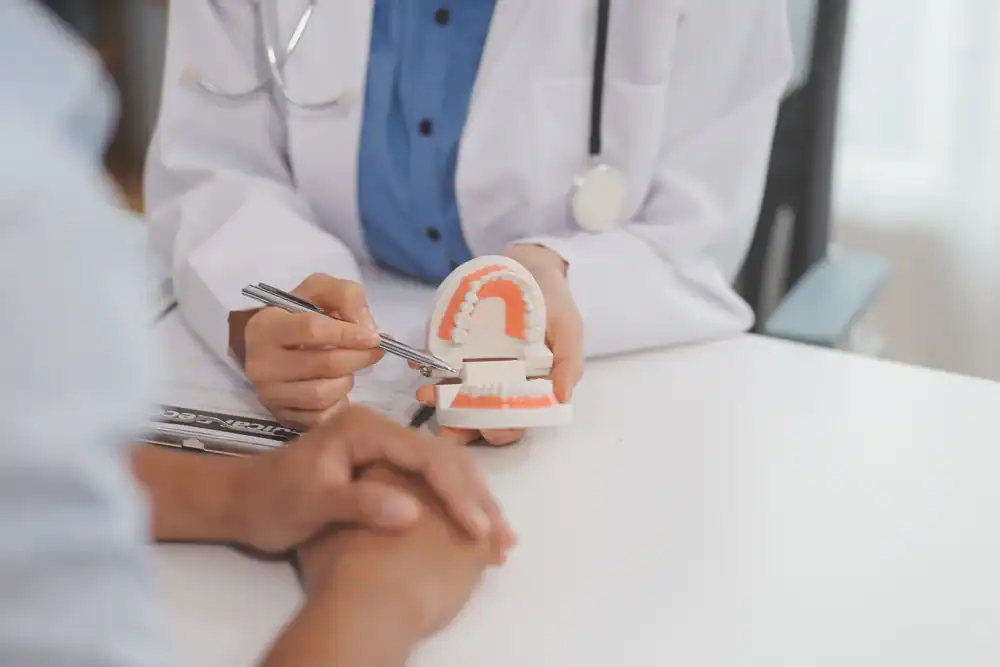
When you choose in-house financing for dental implants, the process usually starts during your consultation. After your exam and treatment plan, we’ll discuss total costs and break down what a monthly payment schedule might look like based on your specific case.
Most in-house plans require a down payment—typically 10-20% of the total cost—before treatment begins. This shows commitment and reduces the amount you’re financing. From there, you’ll make monthly payments directly to our practice, often through automatic bank drafts to keep things consistent and hassle-free.
The beauty of in-house financing is flexibility. Because we control the terms, we can sometimes adjust payment schedules based on your specific situation. Need to split payments between two phases of treatment—the surgical phase and the restorative phase? We can accommodate that. Want to pay off the balance early without penalties? That’s often built into the agreement.
But there are considerations. In-house plans place administrative responsibility on our practice, which means we’re selective about who qualifies. You’ll likely need to provide a valid credit card and driver’s license. We may run soft credit checks, or base approval on income verification and employment history.
The other thing to know: if you default on an in-house plan, it affects your relationship with our practice directly. Unlike third-party financing where a lender handles collections, we manage payments ourselves. That’s why clear communication upfront about what you can realistically afford matters so much.
If you value personalized terms and want to avoid dealing with outside lenders, in-house financing offers a straightforward path. Just make sure you understand the payment schedule, any interest charges, and what happens if you need to adjust terms down the road.
Most dental insurance plans won’t cover the full cost of implants, but many contribute something—often toward the crown portion of the restoration. Even if your plan only covers $1,000 or $1,500, that reduces what you need to finance and lowers your monthly payment significantly.
Health Savings Accounts (HSAs) and Flexible Spending Accounts (FSAs) let you use pre-tax dollars for qualified dental expenses, including implants. If your employer offers an FSA, you can contribute up to $2,750 per year and use those funds tax-free. HSAs offer even more flexibility since the money rolls over year to year and grows tax-free.
Here’s a practical example. Let’s say your dental implant treatment in Schenectady County costs $5,000. Your insurance covers $1,200. You have $2,000 in your HSA. That leaves $1,800 to finance. Suddenly, the monthly payment becomes far more manageable—maybe $150 per month over 12 months with zero interest through CareCredit’s promotional period.
Many patients don’t realize they can stack these options. Use your insurance first. Apply HSA or FSA funds next. Then finance the remaining balance through the most favorable terms you qualify for. This approach minimizes out-of-pocket costs and keeps monthly payments low.
The key is planning ahead. FSAs typically have a “use it or lose it” policy by year’s end, so timing your treatment matters. HSAs don’t expire, giving you more flexibility to save up over time before scheduling your procedure.
Talk to us about how to maximize these benefits. We’re experienced with insurance billing and financing, and we can help you navigate the process, submit necessary documentation, and structure payments in a way that makes the most financial sense for your situation.
Dental implants monthly payments aren’t one-size-fits-all. You have options—third-party lenders with promotional periods, in-house plans tailored to your budget, personal loans with fixed rates, and tax-advantaged accounts that reduce your taxable income while covering treatment costs.
What matters is choosing the path that aligns with your credit situation, monthly budget, and timeline. Zero-interest promotional periods work great if you can pay off the balance quickly. Extended payment plans make sense for larger procedures when you need more time. In-house financing offers flexibility when traditional lenders aren’t an option.
The worst thing you can do is delay treatment because you think it’s out of reach financially. Bone loss accelerates when teeth are missing. Adjacent teeth shift. What starts as a single implant can become a more complex, more expensive case if you wait too long.
If you’re in Schenectady County, NY and exploring dental implant options, we bring over 30 years of experience helping patients navigate both the clinical and financial sides of treatment. With dual locations in Rotterdam and Wappingers Falls, sedation options for anxious patients, and a commitment to transparent pricing, our focus stays on getting you the care you need without unnecessary financial stress.
Article details:
Share:
Continue learning: