

Hear from Our Customers
Most dental practices in the Glenville area operate on a group model which means the person who did your last cleaning probably isn’t the one who’ll see you next time. That kind of inconsistency isn’t just inconvenient. It means your concerns get repeated, your history gets skimmed, and your care feels transactional. At our practice, you see the same experienced doctor every single time. That’s not a small thing. It’s the difference between a dentist who knows you and one who’s just meeting you.
Glenville winters are long and cold, and if you’ve got a cracked tooth, worn enamel, or a filling that’s been “fine for now,” the air along Route 50 in January has a way of making that a same-week problem. Having a dentist you can actually reach one who offers same-day appointments and real weekend availability matters more here than in places where the weather is forgiving. The same goes for families with kids in the Scotia-Glenville school district: back-to-school season moves fast, and getting everyone’s cleanings handled without juggling three different offices is exactly the kind of thing that makes a real difference in a busy household.
Whether you’re a long-time East Glenville homeowner, a newer resident who relocated for work at one of the business parks off Freemans Bridge Road, or someone who’s been quietly putting off dental care for longer than you’d like to admit our practice was built for exactly that range of people. No judgment. No lecture. Just a clear plan and a doctor who’s been doing this in the Capital Region for over 30 years.
We’ve been serving patients across Glenville and the Capital Region for more than three decades. That kind of tenure means something not just in clinical experience, but in the relationships built with families who’ve been coming back year after year, bringing their kids, and eventually their grandkids.
Our practice is independently owned and operated, which means no corporate quotas, no rotating associate staff, and no pressure to upsell procedures you don’t need. Patients from Glenville, Scotia, and the surrounding Schenectady County communities have consistently chosen us because they know who they’re going to see when they walk in and they know that doctor has the full picture of their oral health history.
From routine cleanings and family dentistry to dental implants, sedation, cosmetic work, and even Botox and Juvederm administered by Dr. Kupetz himself, the breadth of what’s available in one place is genuinely uncommon. You don’t get referred out for most procedures. You don’t start over with someone new. You just get taken care of.
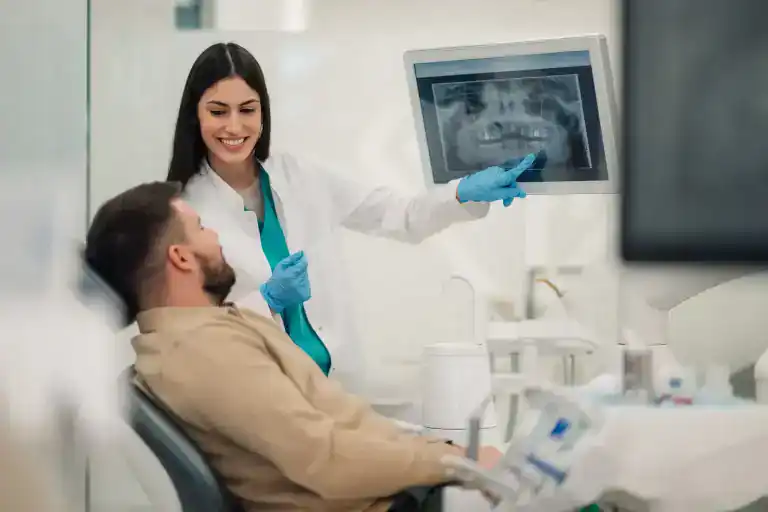
The first visit is straightforward. Dr. Kupetz does a thorough exam, takes any necessary X-rays, and talks through what he’s seeing in plain language, not clinical shorthand. If there’s something that needs attention, you’ll know exactly what it is, why it matters, and what your options are before anything is scheduled. No pressure, no rushed treatment plan handed to you at the front desk.
From there, care is coordinated around your schedule and your priorities. If you’re someone who’s been avoiding the dentist because of anxiety, that conversation happens early we discuss sedation options openly, and the goal is always to make sure you’re comfortable before anything else. New York State requires a separate certification for sedation dentistry, and Dr. Kupetz holds that credential, which means it’s a real clinical capability, not just a line on a website.
For Glenville residents who need more than a cleaning implants, cosmetic work, a full smile makeover the process is still handled in-house as much as possible. Schenectady County winters mean dental issues that get ignored in October tend to become emergencies by December. Getting ahead of that, with a doctor who knows your history and can move quickly when needed, is the whole point. When something does come up unexpectedly, same-day and after-hours appointments are genuinely available not just advertised.
Ready to get started?
We offer a full range of dental services that covers most of what patients in the Glenville area need without sending you elsewhere. General and family dentistry, teeth cleaning, dental check-ups, and preventive care form the foundation. Restorative work crowns, bridges, fillings, and dental implants is handled in-house by the same doctor who did your exam. Cosmetic dentistry in Glenville, NY is increasingly in demand, and we offer teeth whitening, porcelain veneers, dental bonding, and complete smile makeovers for patients who want results that go beyond functional.
For patients dealing with dental anxiety and in a town the size of Glenville, that’s a significant portion of the people who haven’t been in recently NYS-certified sedation dentistry is available. This isn’t a mild relaxation technique dressed up with marketing language. It’s a state-licensed clinical service that allows anxious patients to receive full, comfortable care without the white-knuckle experience that’s kept them away.
We also offer something genuinely unique in this area: Botox and Juvederm facial aesthetic treatments administered by Dr. Kupetz. Because of his deep clinical understanding of facial anatomy, the quality and precision of these treatments is a step above what a med spa typically offers. For Glenville professionals who are already thinking about cosmetic maintenance, combining that with dental care in a single visit with a provider who knows your face at a clinical level is a real convenience worth considering.
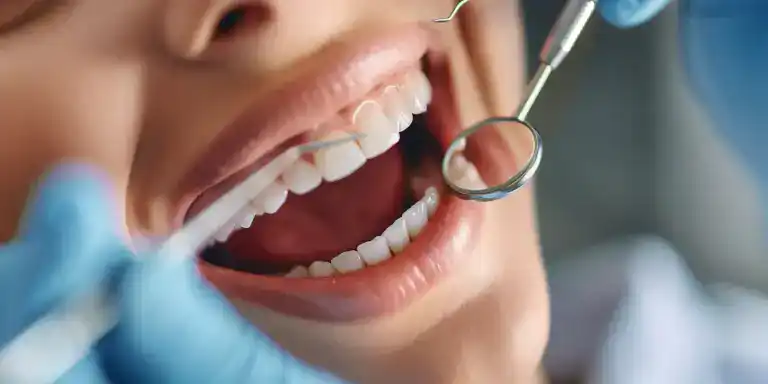
Yes and this is one of the more meaningful gaps in the local dental market. Several practices along the Route 50 corridor in Glenville and Scotia are closed on Fridays and through the weekend, which means a dental emergency on a Thursday evening can turn into a multi-day wait if you’re relying on the wrong office. We offer genuine same-day and after-hours emergency dental care, including weekend availability. This isn’t a call-and-hope situation patients have been seen on weekends and during holidays when other offices were simply unavailable. If you have a broken tooth, severe pain, or a lost crown, you shouldn’t have to wait until Monday morning to get it addressed. Having a dentist in Glenville, NY who actually picks up and can see you quickly is the kind of thing you don’t fully appreciate until you need it.
Sedation dentistry allows patients to receive dental care in a relaxed, comfortable state ranging from mild relaxation to deeper sedation depending on the level of anxiety or the complexity of the procedure. It’s not just for people with severe phobias. Plenty of patients who consider themselves “fine” at the dentist still dread certain procedures, tense up during cleanings, or have been quietly avoiding care for years because the experience is unpleasant enough to keep putting off. Sedation makes all of that manageable.
In New York State, offering sedation dentistry requires a separate certification from the NYS Education Department it’s a licensed clinical capability with specific training and equipment requirements, not a marketing claim any practice can make. We hold that certification, which means patients near Glenville, NY have access to a verified, clinically safe sedation option. For anyone who’s been delaying care because of anxiety, this is genuinely worth a conversation before you assume the experience will be what it’s always been.
Dental implant costs vary based on how many teeth are being replaced, whether bone grafting is needed, and the type of restoration used. A single implant with a crown typically ranges from $3,000 to $5,000, though full-arch cases or cases requiring preparatory work will be higher. The range is wide enough that a consultation is really the only way to get an accurate number for your specific situation.
What’s worth knowing is that implants are a permanent solution they preserve the jawbone, function like natural teeth, and don’t require the ongoing maintenance that dentures or bridges demand over time. For Glenville residents weighing the cost, the long-term math usually favors implants over repeated temporary fixes. Financing options are available to make the upfront investment more manageable, and the fact that implant consultations, placement coordination, and restorations are handled in-house means you’re not paying for multiple providers or making trips to separate offices across Schenectady County.
Cosmetic dentistry in Glenville, NY covers a wider range than most people expect. Beyond teeth whitening which is the most commonly requested service we offer porcelain veneers, dental bonding, and complete smile makeovers that address shape, color, spacing, and overall appearance. These aren’t just aesthetic upgrades. Veneers and bonding also restore teeth that are chipped, worn, or slightly misaligned in ways that affect both function and confidence.
Professional in-office teeth whitening delivers results that over-the-counter products simply can’t match the concentration of the whitening agent and the controlled application make a visible difference, typically in a single appointment. For Glenville professionals who are presenting in the workplace, attending community events, or just want to feel good about their smile in everyday life, these services are more accessible and more practical than most people assume. A cosmetic consultation is the right starting point it’s a straightforward conversation about what’s possible and what makes sense for your specific goals.
The most practical thing a family dentist in Glenville, NY can offer is the ability to treat everyone in your household without sending you to a separate pediatric practice for the kids. We see patients of all ages, which means your children’s developing teeth, your own restorative needs, and your spouse’s cosmetic concerns are all managed by the same doctor who knows your family’s history.
For families with kids in the Scotia-Glenville Central School District, the back-to-school window in August and September is the most common time to get everyone’s annual cleanings scheduled. Coordinating that across multiple offices adds unnecessary complexity to an already busy season. Having one trusted provider who can block appointments for the whole family and who will remember your kids from visit to visit makes the whole process significantly easier. It also means that when something comes up mid-year, whether it’s a sports-related tooth injury or a cavity spotted between checkups, you’re calling a doctor who already knows the patient.
No. This is one of the most common concerns people have before scheduling, and it’s worth being direct about: a significant portion of new patients at our practice haven’t had a dental visit in years sometimes more than a decade. It’s more common than most people realize, and it’s not something we treat as a problem to lecture you about. The focus of that first visit is understanding where things stand now and building a clear, realistic plan to move forward.
Glenville has a large population of long-tenured homeowners and working professionals who have genuinely busy lives and, in many cases, real anxiety about dental care. Some have had bad experiences in the past. Some have been embarrassed about the gap. Some just kept pushing it off until something hurt. Whatever the reason, the starting point here is the same: a thorough exam, an honest conversation, and a treatment plan that fits your situation not a sales pitch or a guilt trip. The goal is to get you to a place where dental care feels manageable, not something you dread or avoid.
Other Services we provide in Glenville