
Hear from Our Customers
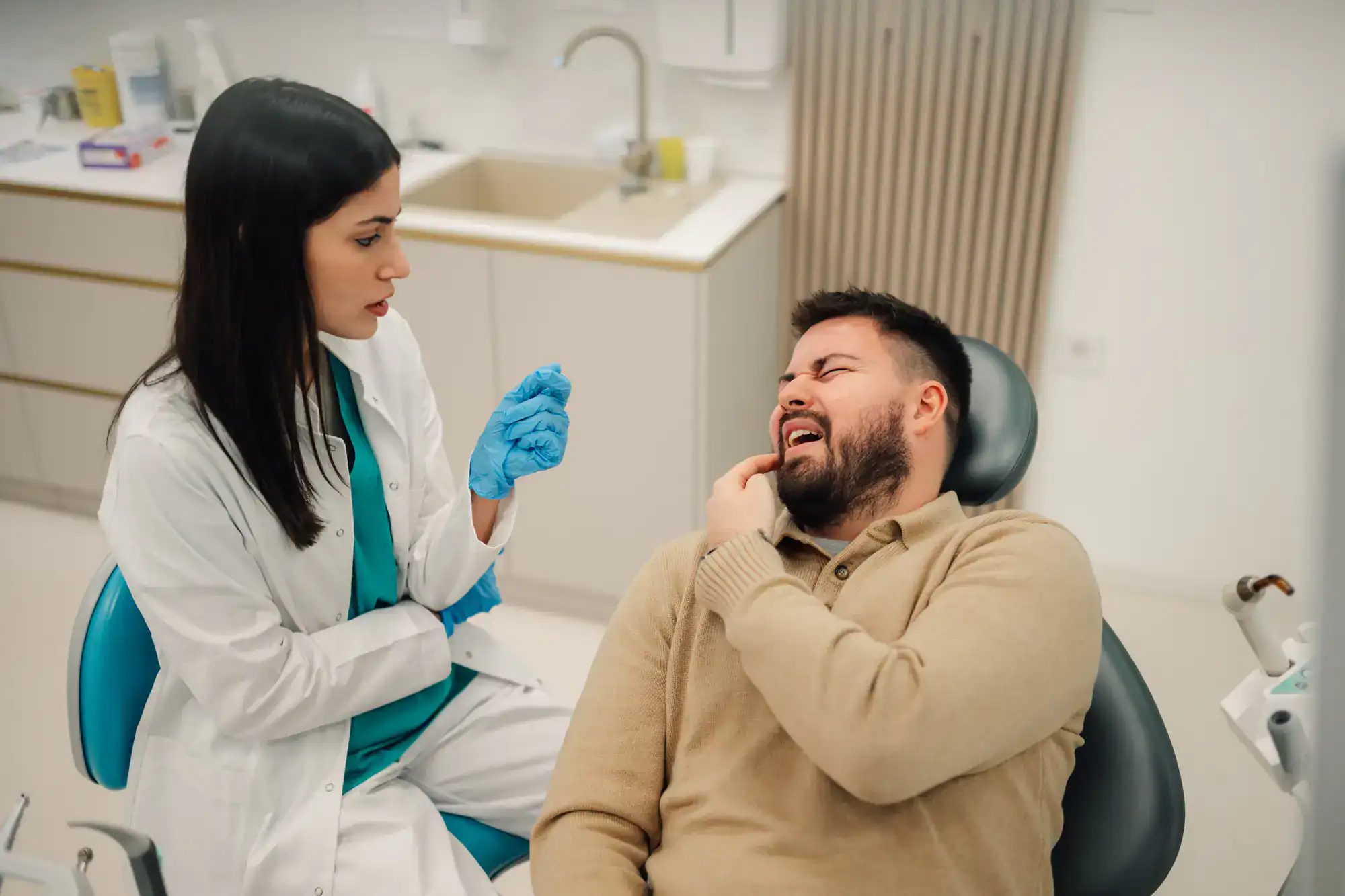
Most people in Lincoln Park aren’t avoiding the dentist because they don’t care about their teeth. They’re avoiding it because the last experience wasn’t great, or because it’s been long enough that the embarrassment of admitting that feels worse than the toothache. That cycle ends the moment you find a dentist who doesn’t make you feel like a case file.
When you’re dealing with a tooth that’s been bothering you since before the holidays, or an old crown that’s finally giving out, you need someone who can handle it not refer you to three different specialists scattered across Ulster County. Lincoln Park residents have enough on their plate navigating Route 9W every day without adding a dental scavenger hunt on top of it.
The difference a comprehensive, single-doctor practice makes is real. One provider who knows your history, who remembers what was done three years ago, who can handle your cleaning, your implant consultation, and your whitening in the same office. For a community where nearly half the residents have lived in the same mid-century ranch homes for decades, that kind of continuity isn’t a luxury it’s what dental care should have been all along.
We’ve been practicing in the Hudson Valley for over 30 years, serving patients across Ulster County, Dutchess County, and the surrounding region. Lincoln Park residents aren’t an afterthought here Ulster County is explicitly part of our service area, and we’ve spent decades building the kind of patient relationships that corporate dental chains structurally can’t offer.
This is a single-doctor practice. That means when you come in to see us whether it’s a routine cleaning, a dental implant consultation, or a Saturday emergency you’re seeing Dr. Kupetz. Not a rotating associate. Not whoever’s available. The same experienced, NYS-certified dentist who’s been treating patients from Kingston to Wappingers Falls since before the Kings Mall on Ulster Avenue was built.
For a community like Lincoln Park, where people tend to put down roots and stay, that kind of consistency means something.
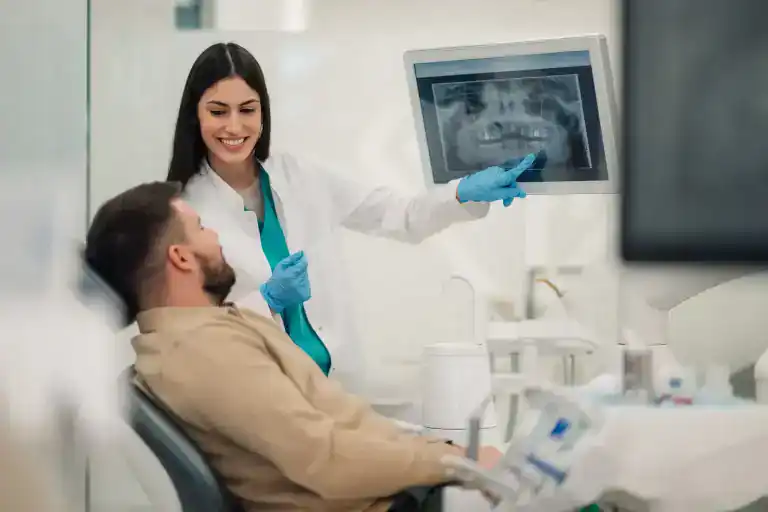
It starts with a call or an appointment request, and from that first contact, the experience is straightforward. No pressure, no upsell, no judgment about how long it’s been. New patients go through a thorough exam X-rays, a full clinical assessment, and an honest conversation about what’s going on and what the options are. If you’ve been putting off care for a while, that conversation will be direct but comfortable. We’ve had it thousands of times.
From there, treatment is planned around what you actually need and what makes sense for your timeline and budget. Whether that’s a single filling, a full mouth restoration, dental implants, sedation for a longer procedure, or cosmetic work like veneers or whitening everything is handled in one office. For Lincoln Park patients who don’t want to be bouncing between Kingston, Poughkeepsie, and everywhere in between for specialist referrals, that matters.
If you hit a dental emergency a cracked tooth on a Sunday, an abscess that can’t wait until Monday we offer real same-day and after-hours access. Patient reviews confirm Dr. Kupetz has come in on weekends for people in genuine pain. That’s not a marketing line. It’s what a 30-year practice with a real commitment to its patients actually looks like.
Ready to get started?
We offer a full range of dental services that covers virtually everything a Lincoln Park patient might need across their lifetime. General and preventive care, restorative work, dental implants, teeth whitening, porcelain veneers, bonding, and full cosmetic smile work are all available in one practice. For Lincoln Park’s older population where tooth loss, aging restorations, and the need for implants are common realities having a dentist who handles all of it without sending you elsewhere is genuinely valuable.
Sedation dentistry is available for patients who experience anxiety, and this isn’t a casual offering. New York State requires a separate, specifically obtained certification to administer sedation it’s above and beyond standard dental licensure. Dr. Kupetz holds that NYS certification. If dental fear has kept you out of the chair for years, sedation is often what finally makes it possible to get caught up on care in a single, manageable visit.
We also offer something no identified competitor in the Kingston or Lincoln Park area provides: facial aesthetics, including Botox and Juvederm, administered by Dr. Kupetz. These aren’t add-ons from a med spa they’re delivered by a clinician with a deep, clinical understanding of facial anatomy. For patients dealing with TMJ pain or bruxism, therapeutic Botox can provide meaningful relief. For those interested in cosmetic results, it’s a natural extension of the smile work they’re already doing.
Yes and it’s worth knowing that not every dentist who claims to offer sedation is actually certified to do so in New York State. NYS requires a separate, specifically obtained certificate from the State Education Department to legally administer sedation dentistry. It’s not something that comes with a standard dental license. We hold that certification, which means the sedation we offer is fully compliant, clinically administered, and appropriate for patients with genuine dental anxiety.
For Lincoln Park residents who have been avoiding the dentist for years sometimes decades sedation dentistry is often the practical answer. It allows you to complete multiple procedures in a single visit while remaining relaxed and comfortable throughout. Many patients describe it as the first time dental care felt manageable. If anxiety has been the reason you haven’t gone, this is a real solution, not just a reassurance.
Dental implants in the Hudson Valley region typically range from $3,000 to $6,000 per tooth, depending on the complexity of the case, whether bone grafting is needed, and the type of restoration used. That range reflects the full process the implant itself, the abutment, and the crown. It’s a significant investment, but the survival rate for dental implants now exceeds 98% over the long term, which makes them the most durable tooth replacement option available by a wide margin.
For Lincoln Park patients who are weighing implants against alternatives like bridges or partial dentures, the honest comparison is long-term cost and quality of life. Bridges require grinding down adjacent healthy teeth. Dentures shift, require adhesives, and don’t preserve bone. Implants function like natural teeth and, in most cases, last a lifetime with proper care. We can walk you through what your specific situation requires and what the realistic cost looks like before any commitment is made.
Dental emergencies don’t follow office hours, and the standard advice “call your dentist Monday morning” isn’t useful when you’re dealing with a cracked tooth, a lost crown, or an abscess that’s keeping you up at night. We offer genuine same-day and after-hours emergency access, including weekends. This isn’t just a stated policy patient reviews specifically describe Dr. Kupetz coming in on weekends for patients in real pain, including during holidays.
If you’re in Lincoln Park and you’re dealing with something that can’t wait, the right move is to call us directly and explain what’s happening. Dental infections in particular can escalate quickly and should never be left untreated over a weekend. The closer you are to the Kingston area, the easier it is to access same-day care and for Lincoln Park residents along the Route 9W corridor, getting to our office is straightforward even on short notice.
We’ve been in continuous practice in the Hudson Valley for over 30 years, and Ulster County has been part of that service area throughout. We explicitly list Ulster County alongside Dutchess, Albany, Schenectady, and Rensselaer counties as part of our regional footprint so Lincoln Park residents aren’t being served by a practice that’s stretching its geography. This is a practice that knows the region, has treated patients from across the county for decades, and has built its reputation on long-term patient relationships rather than volume.
For Lincoln Park residents who have experienced the rotating-provider model at corporate dental chains and the Aspen Dental on Ulster Avenue is the most immediate local example the difference is significant. Thirty years of continuous practice means Dr. Kupetz has seen patients through every stage of life, treated complex cases that built up over time, and developed the kind of clinical depth that only comes from decades of consistent, hands-on work.
Yes we offer the full range of cosmetic dental services, including professional teeth whitening, porcelain veneers, dental bonding, and complete smile makeovers. These aren’t offered as a side service cosmetic dentistry is a core part of what we do, and the results are handled by the same experienced doctor who manages your general and restorative care. That continuity matters when cosmetic work needs to be coordinated with underlying dental health.
The cosmetic dentistry market has grown significantly because people understand that their smile affects their confidence in real, everyday ways at work, in social situations, in how they feel about themselves. For Lincoln Park residents who’ve been thinking about it but haven’t found the right provider, this is a practice where cosmetic work is done with clinical precision, not just aesthetics in mind. Whitening, veneers, and bonding are all planned around your overall oral health, not just the surface result.
Lincoln Park has one of the older age profiles in Ulster County the median age in the hamlet runs close to 50, and more than a quarter of residents are 65 or older. Older adults face a specific set of dental challenges that accumulate over time: dry mouth from medications, gum recession, bone loss, failing older restorations, and tooth loss that may have gone unaddressed for years. These aren’t problems a general cleaning visit resolves they require a dentist with the experience and the full-service capability to address them comprehensively.
Dr. Kupetz has spent over 30 years treating patients at every stage of life, including the kind of complex, multi-issue cases that are common in older adults who’ve had years of dental work done by multiple providers. Whether you’re dealing with a crown placed in the 1990s that’s finally failing, exploring dental implants as a permanent solution to tooth loss, or just trying to get back on track after years away from the chair this is a practice built for exactly that patient. No judgment, no rush, and a treatment plan that makes sense for where you actually are.
Other Services we provide in Lincoln Park