

Learn why dental implants outperform bridges and dentures for permanent tooth replacement in Cohoes, with proven longevity and comfort.
Share:
Summary:
When you’re missing teeth, you essentially have three options: dental implants, bridges, or dentures. Each approach takes a fundamentally different strategy to replace what you’ve lost.
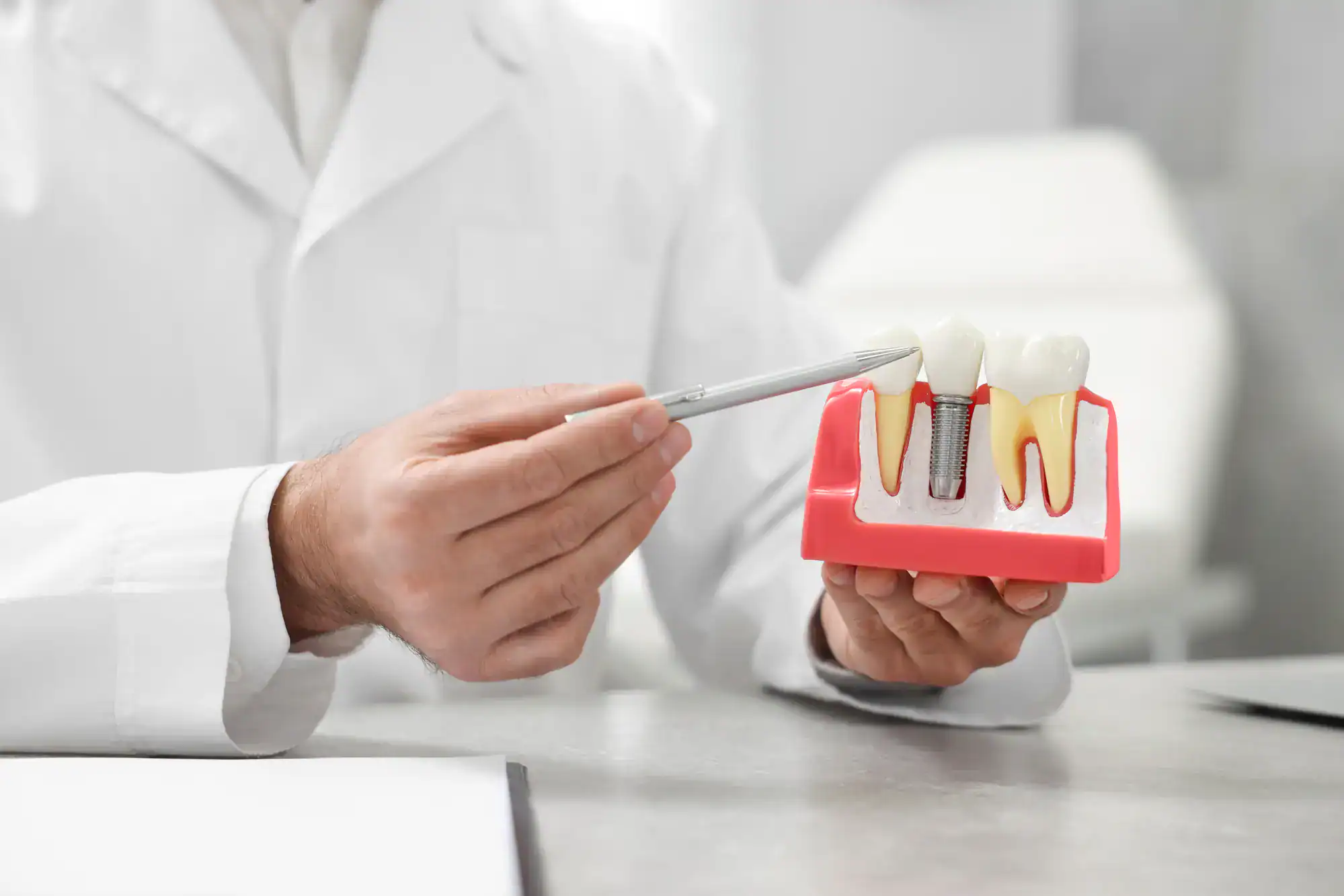
Dental implants work by replacing both the tooth root and crown. A titanium post is surgically placed into your jawbone, where it fuses with the bone over several months. Once healed, a custom crown is attached, creating a replacement tooth that’s anchored directly into your jaw just like your original tooth.
Bridges, on the other hand, rely on your adjacent teeth for support. The healthy teeth on either side of the gap must be ground down and capped with crowns to hold the replacement tooth in place. Dentures simply sit on top of your gums, held in place by adhesives, suction, or metal clasps.
The numbers tell a compelling story about longevity. Dental implants boast a 98.6% success rate at five years and maintain a 90-95% survival rate even at the 10-year mark. Perhaps most impressive, four out of five implants will last 20 years or more with proper care.
Compare that to bridges, which typically fail after 5-10 years because patients struggle to clean around them properly. The inability to floss effectively leads to decay on the supporting teeth, ultimately compromising the entire restoration. Even with meticulous care, most bridges need replacement within 10-15 years.
Dentures fare even worse in terms of longevity and function. The average denture lasts only 7-15 years before requiring replacement. But the real issue isn’t just lifespan—it’s quality of life. Dentures can slip, click, and cause sore spots. They reduce your chewing efficiency by up to 50% and often affect speech. Many denture wearers avoid certain foods entirely, limiting their nutrition and social experiences.
The reason implants last so much longer comes down to biology. Unlike bridges and dentures that sit on top of existing structures, implants actually stimulate your jawbone through the root. This prevents the bone loss that naturally occurs when teeth are missing. Bridges and dentures don’t provide this stimulation, so the underlying bone gradually shrinks away, eventually affecting your facial structure and the fit of your restoration.
It’s tempting to choose the less expensive option upfront, but the math tells a different story over time. A single dental implant might cost $3,000-$4,500 initially, while a bridge could run $2,000-$5,000 and dentures might be as low as $300-$1,000.
But here’s what those initial numbers don’t show you. That “cheaper” bridge will likely need replacement in 7-10 years, and when it fails, you’re not just replacing the bridge—you’re potentially dealing with decay or damage to the supporting teeth that were ground down. This often leads to root canals, additional crowns, or even tooth loss, compounding the costs exponentially.
Dentures require regular adjustments, relines, and eventual replacement every 7-15 years. The ongoing costs of adhesives, cleaning products, and dental visits for adjustments add up quickly. More importantly, the bone loss that occurs under dentures means each replacement becomes more difficult and expensive, often requiring bone grafts or implant-supported solutions eventually anyway.
Dental implants, while more expensive initially, essentially have zero replacement costs once successfully placed. The crown portion might need replacement every 15-20 years, but the implant itself can last a lifetime. When you calculate the total cost over 20-30 years, implants often prove to be the most economical choice—not to mention the most comfortable and functional.
Want live answers?
Connect with a Scott Kupetz expert for fast, friendly support.
Let’s address the elephant in the room: you’re probably nervous about dental surgery. You’re not alone—nearly 15% of Americans avoid dental care due to fear, and almost 20% of dental patients experience moderate to high anxiety.
The good news is that dental implant placement has become remarkably comfortable with modern techniques and sedation options. Most patients are surprised by how manageable the process actually is, especially when working with a dentist who specializes in treating anxious patients.
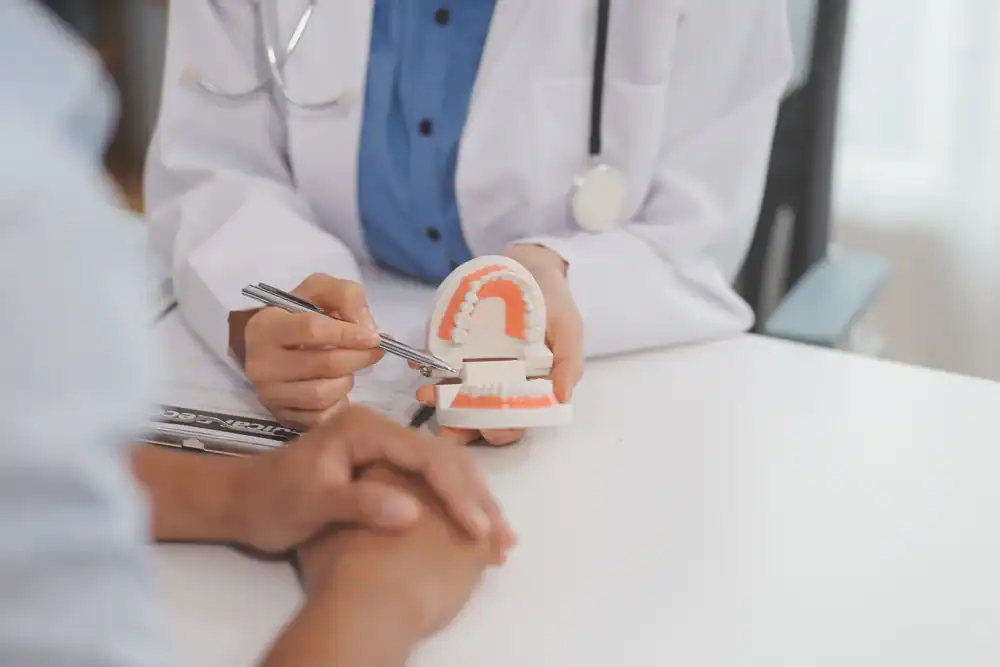
Modern sedation dentistry offers several options to ensure your comfort throughout the implant process. The right choice depends on your anxiety level and the complexity of your procedure.
Oral sedation involves taking medication before your appointment to help you relax. You’ll remain conscious but feel drowsy and calm. This works well for patients with mild to moderate anxiety and is often the first choice for straightforward single-implant procedures.
Nitrous oxide, or “laughing gas,” provides gentle relaxation that wears off quickly after your appointment. You can even drive yourself home afterward. Many patients appreciate that they remain fully aware during the procedure while feeling completely relaxed.
IV sedation offers the deepest level of conscious sedation, where you’ll feel drowsy and may not remember much of the procedure afterward. This option is ideal for patients with high anxiety or those having multiple implants placed. Recovery is quick, though you’ll need someone to drive you home.
The key is working with a dentist who understands dental anxiety and has extensive experience with sedation techniques. We have been helping anxious patients for over 30 years, specializing in sedation dentistry when many general dentists don’t offer these options. Our approach focuses on transparency—explaining exactly what to expect so there are no surprises—combined with proven sedation protocols that keep you comfortable throughout the entire process.
Understanding the process helps reduce anxiety significantly. Your implant procedure typically begins with a thorough consultation where we will explain every step and address your concerns. If you’re nervous, this is when sedation options are discussed to ensure you’re completely comfortable moving forward.
The actual implant placement is often less involved than patients expect. The area is thoroughly numbed with local anesthetic, so you shouldn’t feel any pain during the procedure. If you’ve chosen sedation, you’ll feel relaxed and may not remember much of the process. Most patients report that the anticipation was worse than the actual experience.
The initial healing period involves some mild discomfort, similar to having a tooth extracted. Over-the-counter pain medication typically manages any discomfort effectively. Most patients return to work the next day, though you might want to avoid strenuous activities for a few days.
The implant then needs 3-6 months to fuse with your jawbone in a process called osseointegration. During this time, you might wear a temporary restoration if the implant is in a visible area. Once healing is complete, your custom crown is attached, and you’ll have a fully functional replacement tooth that feels completely natural.
What sets experienced implant dentists apart is their ability to make this process as smooth as possible. Our patients frequently comment on our exceptional bedside manner and willingness to go above and beyond—including coming in on weekends for emergencies and taking extra time to ensure complete comfort throughout the process.
The evidence is clear: dental implants offer superior longevity, comfort, and function compared to bridges and dentures. With success rates exceeding 95% and the potential to last decades, they represent the best long-term investment in your oral health and quality of life.
Modern sedation techniques have eliminated the fear factor that once kept patients from choosing the best treatment option. Whether you need to replace a single tooth or multiple teeth, implants can restore your ability to eat, speak, and smile with complete confidence.
The key is working with an experienced dentist who understands both the technical aspects of implant placement and the emotional needs of anxious patients. If you’re ready to explore how dental implants can restore your smile, we invite you to discuss your options and learn how sedation dentistry can make the process comfortable and stress-free.
Article details:
Share:
Continue learning: