
Learn how therapeutic Botox can provide fast relief from TMJ pain and jaw tension in Poughkeepsie, NY.
Share:

Summary:
Your temporomandibular joint connects your jawbone to your skull, and it’s one of the most complex joints in your body. When this joint isn’t working properly, it creates a cascade of problems that can affect everything from your ability to eat comfortably to getting a good night’s sleep.
TMJ disorders affect over 11 million Americans, and the symptoms go far beyond just jaw pain. You might experience chronic headaches, especially in the morning. Your jaw might feel stiff or lock up when you try to open your mouth wide.
The root cause often comes down to muscle tension. When you clench your teeth during stress or grind them while you sleep, those powerful jaw muscles never get a chance to truly relax.

Most people don’t realize how much stress affects their jaw muscles until the pain becomes unbearable. When you’re dealing with work pressure, family responsibilities, or just the general stress of daily life, your body holds that tension somewhere. For many people, that somewhere is their jaw.
You might not even know you’re clenching your teeth during the day or grinding them at night. But your jaw muscles know. They’re working overtime, contracting and tightening for hours at a time without relief. Think of it like having a muscle cramp in your leg that never goes away.
This constant muscle activity creates inflammation in the joint itself. The muscles become hypertrophic, meaning they actually get bigger and stronger from all that overuse. But bigger doesn’t mean better when it comes to jaw muscles. Stronger jaw muscles just means more pressure on the joint, more tension in your face and neck, and more pain radiating through your head.
The traditional approach has been to give patients a night guard to prevent tooth damage, or prescribe pain medications and muscle relaxers. While these can help protect your teeth, they don’t address the underlying muscle tension that’s causing the problem. The muscles are still tight, still inflamed, and still creating pain signals that affect your daily life.
That’s where therapeutic Botox comes in. Instead of just managing the symptoms, it addresses the source of the problem by allowing those overworked muscles to finally relax.
If you’ve been dealing with TMJ pain for a while, you’ve probably tried the usual recommendations. Soft foods, ice packs, over-the-counter pain relievers, maybe even a night guard. These approaches can provide some relief, but they often leave patients frustrated because the pain keeps coming back.
Night guards are designed to protect your teeth from grinding damage, which is important. But they don’t stop the muscle activity that’s causing the grinding in the first place. You might still wake up with a sore jaw and a headache, even with the guard in place.
Pain medications and muscle relaxers can help temporarily, but they come with their own set of problems. They can make you drowsy, affect your concentration, and some people worry about long-term dependency. Plus, they’re treating the symptom, not the cause.
Physical therapy can be helpful for some people, and jaw exercises can provide relief. But when you’re dealing with severely overactive muscles that have been in spasm for months or even years, sometimes you need something that can break that cycle more effectively.
The challenge with TMJ is that it’s not just one problem. It’s a complex interaction between your jaw joint, the muscles that control jaw movement, your bite, and often your stress levels. Traditional treatments tend to focus on one piece of the puzzle, which is why many people don’t get the complete relief they’re looking for.
This is where our approach in Poughkeepsie makes a difference. With over 30 years of experience treating complex dental and facial pain issues, we understand that effective TMJ treatment often requires addressing multiple factors, including the muscle tension that drives so many TMJ symptoms.
Want live answers?
Connect with a Scott Kupetz expert for fast, friendly support.
Therapeutic Botox works differently than traditional TMJ treatments because it targets the overactive muscles directly. When injected into specific jaw muscles, Botox temporarily blocks the nerve signals that tell those muscles to contract. This allows the muscles to relax and reduces the pressure they’re putting on your jaw joint.
The treatment itself is surprisingly quick and straightforward. Most patients are done in about 30 minutes, and you can return to your normal activities right away. The relief often begins within days, with maximum results typically seen around three months after treatment.
What makes this approach particularly effective for TMJ is that it addresses both the immediate pain and the cycle of muscle overactivity that perpetuates the problem.
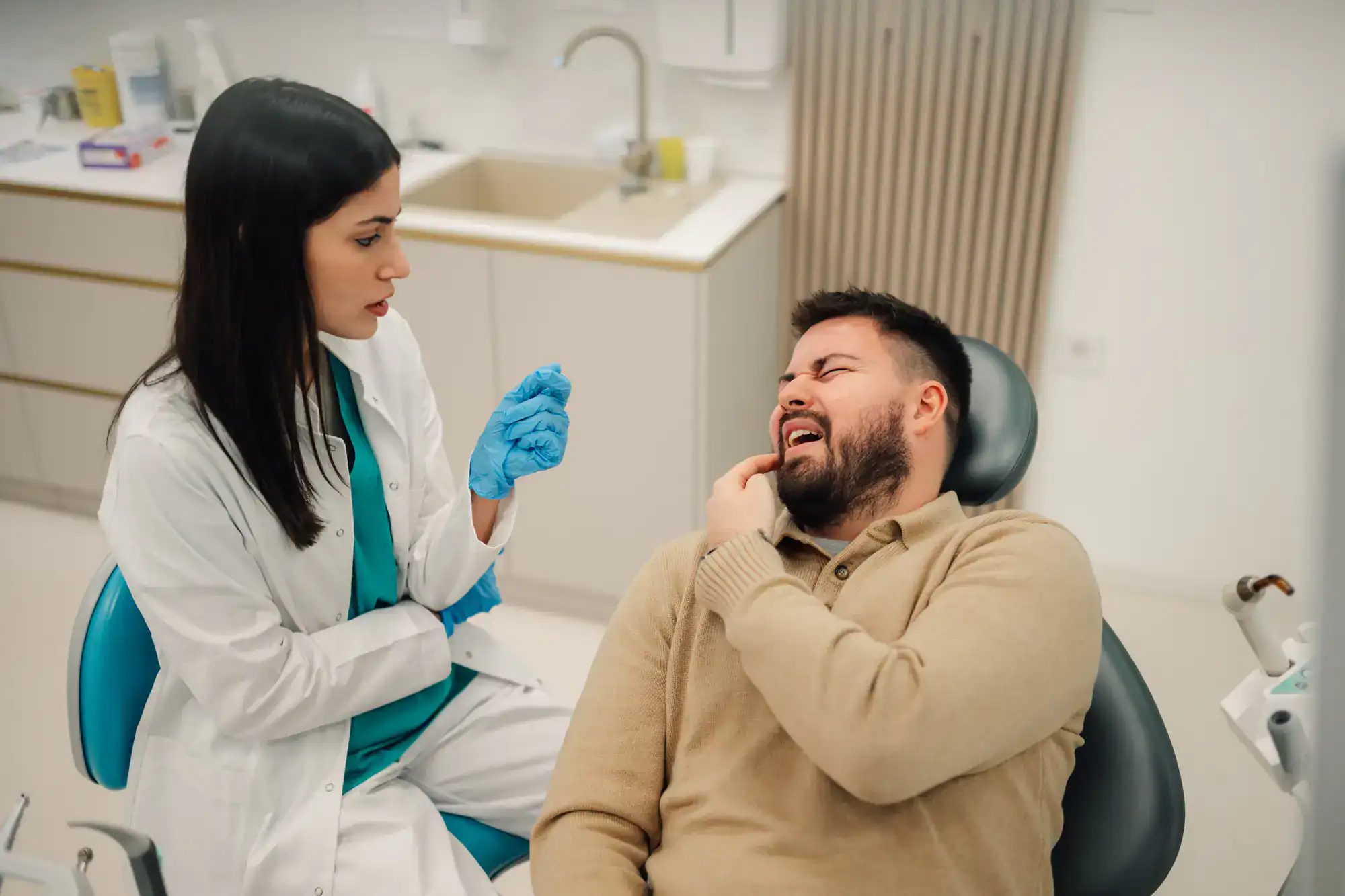
Botox works by blocking the release of acetylcholine, a neurotransmitter that tells your muscles to contract. When this signal is interrupted, the muscle can’t maintain its constant state of tension. This isn’t paralysis in the dramatic sense – you can still chew, speak, and smile normally. Instead, it’s more like turning down the volume on overactive muscles.
For TMJ patients, this means those chronically tight masseter and temporalis muscles finally get a chance to rest. The constant pressure on your jaw joint decreases. The inflammation that’s been building up in the joint and surrounding tissues starts to calm down. And importantly, the pain signals that have been firing constantly begin to quiet.
Research has shown promising results for Botox in TMJ treatment. Studies have found response rates of around 70%, with many patients experiencing a 50% or greater reduction in both pain intensity and frequency. While the FDA hasn’t specifically approved Botox for TMJ treatment, it is FDA-approved for other muscle-related conditions, including chronic migraines, which often accompany TMJ disorders.
The treatment is particularly effective because it breaks the cycle of muscle tension and pain. When your jaw muscles are constantly tight, they become more sensitive to stress and more likely to go into spasm. By allowing them to relax, Botox helps reset this pattern. Many patients find that even after the Botox wears off, their muscles don’t return to the same level of tension they had before treatment.
We’ve seen this firsthand in our Poughkeepsie practice. Patients who have struggled with morning headaches for years find they can wake up pain-free. People who couldn’t eat certain foods because of jaw pain discover they can enjoy meals again without discomfort.
If you’re considering Botox for TMJ relief, knowing what to expect can help you feel more confident about the treatment. We begin with a thorough evaluation to understand your specific symptoms and determine if you’re a good candidate for therapeutic Botox.
During the treatment, small amounts of Botox are injected into the specific muscles that are causing your symptoms. This typically includes the masseter muscles along your jawline and sometimes the temporalis muscles near your temples. The injections themselves feel similar to a small pinprick, and the entire process usually takes less than 30 minutes.
Most patients are surprised by how comfortable the treatment is. You might experience some mild soreness at the injection sites for a day or two, similar to what you’d feel after any injection. Some people notice a slight improvement in their symptoms within the first few days, while others may take a week or two to feel the full effects.
The results typically last about three to four months, though some patients find their relief lasts longer, especially with repeated treatments. As the Botox gradually wears off, you may notice some return of symptoms, but many people find that their muscles don’t return to the same level of tension they had before treatment.
One of the advantages of this approach is that it’s not permanent, so if you have any concerns, you know the effects will fade over time. However, most patients who try therapeutic Botox for TMJ find the relief so significant that they choose to continue with maintenance treatments.
We will work with you to determine the right treatment schedule based on your response and your symptoms. Some patients do well with treatments every four to six months, while others may need them more frequently initially and then can space them out further as their muscle patterns improve.
TMJ pain doesn’t have to be something you just live with. While traditional treatments focus on managing symptoms, therapeutic Botox offers a way to address the underlying muscle tension that drives so much TMJ discomfort.
Dr.Scott Kupetz brings over three decades of experience to TMJ treatment in Poughkeepsie, combining traditional dental expertise with innovative approaches like therapeutic Botox. Our understanding of both the cosmetic and therapeutic applications of these treatments means you’re getting comprehensive care that addresses not just your pain, but your overall facial health and aesthetics.
If you’re tired of morning headaches, jaw pain that interferes with eating, or the constant tension that comes with TMJ disorders, it might be time to explore your options. We can help you understand whether therapeutic Botox might be right for your specific situation and develop a treatment plan that gets you back to living comfortably.
Article details:
Share:
Continue learning: