
Hear from Our Customers
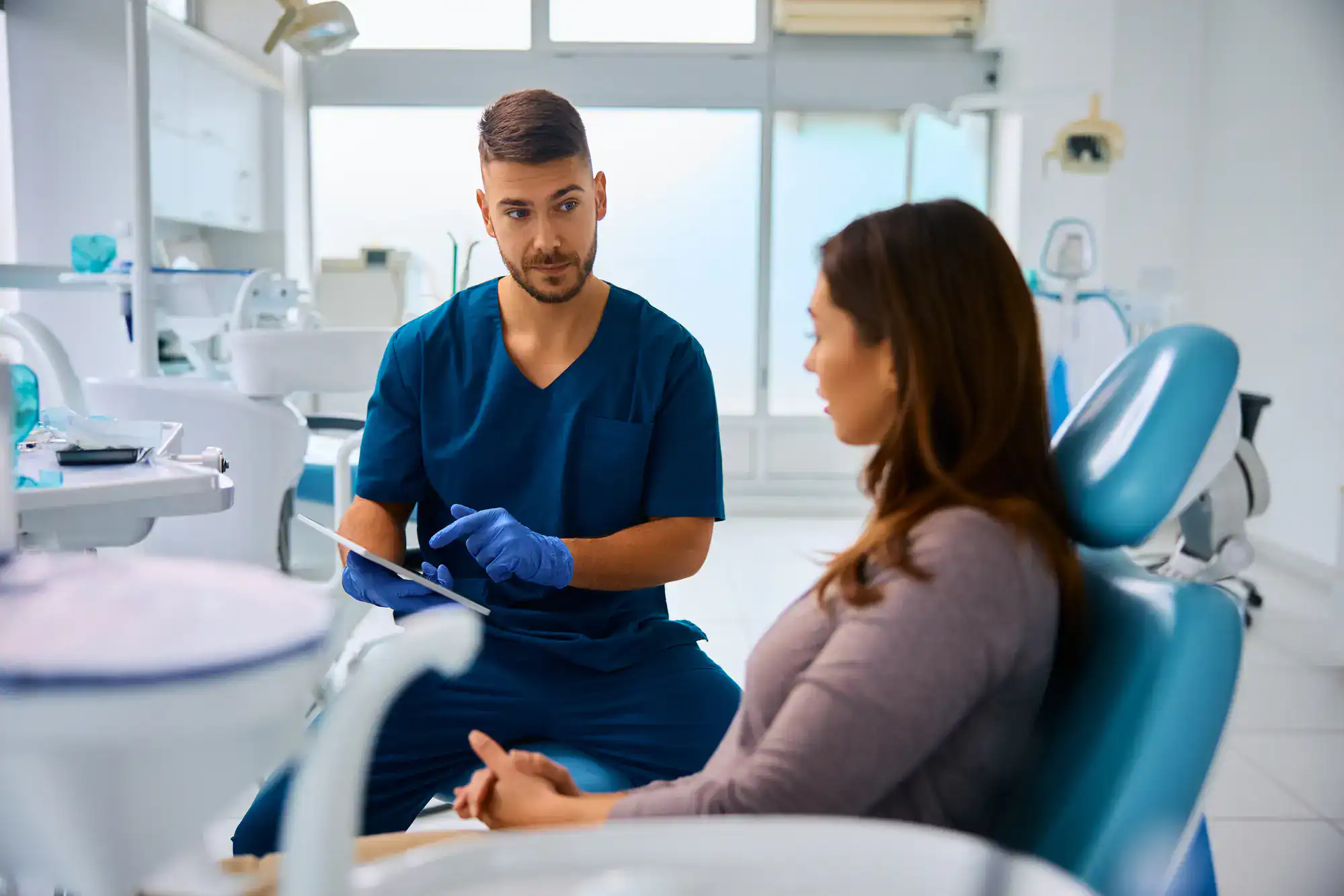
When you’ve been putting off dental care because of the drive, because of anxiety, or because you just haven’t found the right fit the backlog adds up fast. A cracked tooth you’ve been ignoring, a cleaning that’s two years overdue, a smile you’ve stopped feeling good about. Getting ahead of all of that starts with finding one practice that can actually handle it all.
For Shokan residents, that means finding a dentist who offers general, cosmetic, restorative, and emergency care under one roof because making separate trips down Route 28 for separate providers isn’t realistic. It’s also why sedation dentistry matters here more than people realize. A significant portion of adults avoid the dentist entirely because of fear. If that’s you, sedation changes everything. You come in, you relax, and the work gets done often in a single visit.
The other piece that matters in a community like Shokan is knowing your dentist actually picks up the phone. Winter on Route 28 is a different road than summer on Route 28. When a tooth breaks on a Sunday night in January, you need a provider who responds not a voicemail and a callback on Monday.
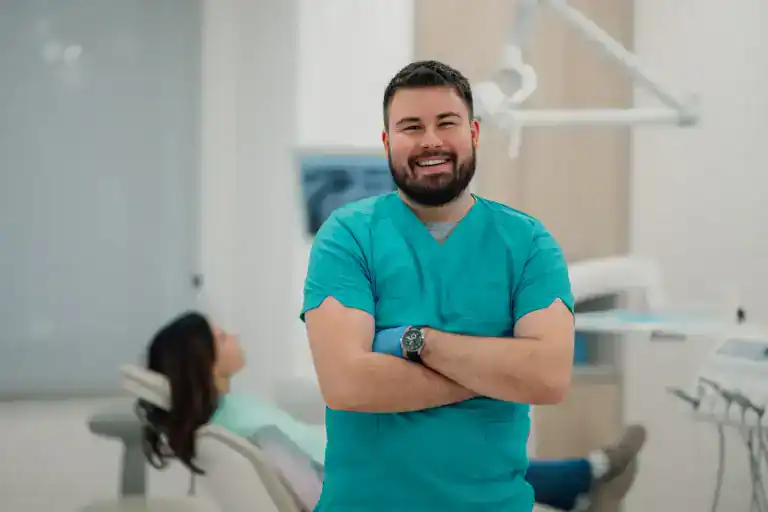
Dr. Scott Kupetz has been practicing dentistry in the Hudson Valley for more than 30 years, and we’ve built our practice around a simple principle: continuity. When you come in for a cleaning, a consultation, or an emergency, you see Dr. Kupetz. Not whoever is available that day. Not a rotating associate. The same experienced clinician who knows your history, your concerns, and what you’ve been putting off.
For Shokan and the surrounding Town of Olive a community that values authenticity and has little patience for impersonal, transactional experiences that difference is real and it matters. In an era when corporate dental chains are buying up independent practices at a rapid pace, we’ve stayed independent. We answer our own phone. We make our own decisions about how to treat patients. And we show up for emergencies because we know the drive down Route 28 is a commitment, and we respect that.
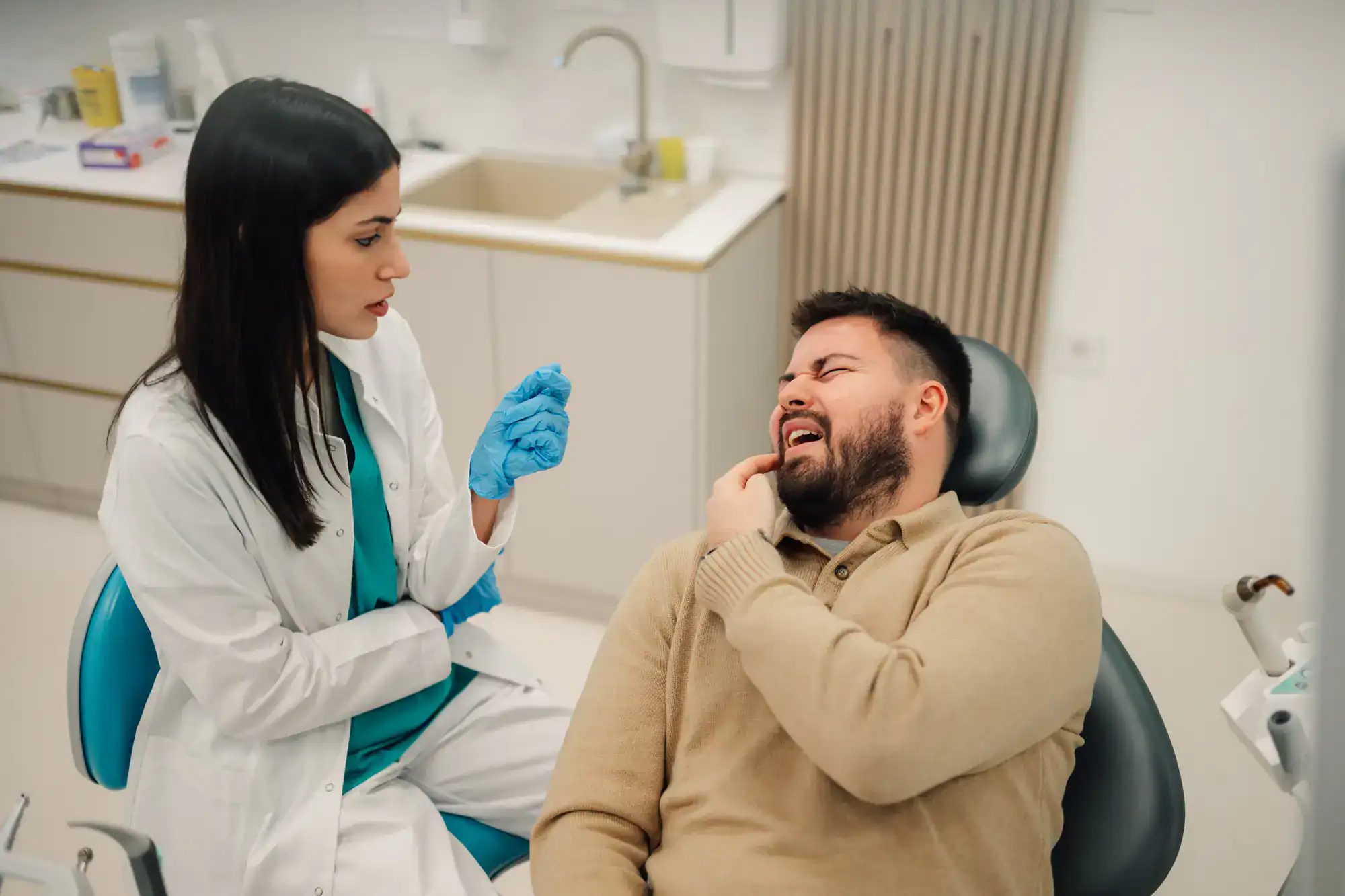
It starts with a conversation. When you reach out whether you’re establishing care for the first time, dealing with a dental emergency, or finally ready to address something you’ve been avoiding the first step is understanding what you actually need. No pressure, no upsell, no treatment plan handed to you before anyone’s asked the right questions.
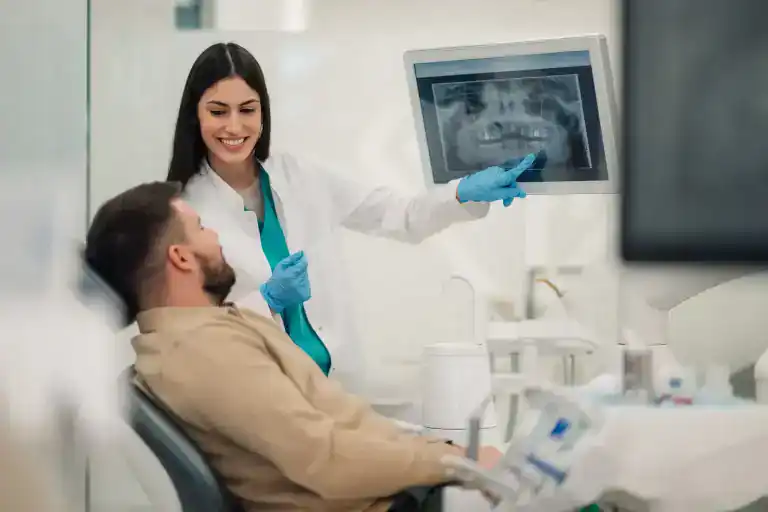
From there, Dr. Kupetz conducts a thorough exam. For new patients, that typically includes X-rays, a full assessment of your oral health, and an honest conversation about what needs attention now versus what can wait. If you have dental anxiety, that conversation happens before anything else because our approach to your care changes based on your comfort level. The NYS-certified sedation option is available from the first visit if it’s the right fit.
Once a treatment plan is agreed on, you’ll know exactly what’s involved and what it costs before any work begins. For Shokan patients who are already committing time and travel to get here, that transparency isn’t optional it’s the baseline. Our goal is always to handle as much as possible in as few visits as necessary, so your time on Route 28 is well spent.
Ready to get started?
We offer the full range of services general and preventive dentistry, restorative work, cosmetic dentistry, dental implants, sedation dentistry, emergency dental care, and facial aesthetic services including Botox and Juvederm all administered by Dr. Kupetz himself.
For Shokan residents, the cosmetic side of that list matters more than it might in other communities. The Town of Olive has an unusually high concentration of artists, designers, and creative professionals people who are genuinely attentive to appearance and who care about their smile in a way that goes beyond basic maintenance. Teeth whitening, porcelain veneers, dental bonding, and smile makeovers are services we use regularly with this community. And because Dr. Kupetz administers the Botox and Juvederm treatments personally with a clinician’s understanding of facial anatomy the results reflect a level of precision that most med spas simply don’t offer.
On the restorative and implant side, we offer dental implants for patients dealing with missing or failing teeth, and we walk you through the full process from evaluation to placement to final restoration. For patients in Shokan who have been living with a gap, a broken tooth, or an ill-fitting denture, implants are often the most durable long-term solution. We discuss affordable implant options openly, without the bait-and-switch pricing that’s become common in high-volume dental chains.
Yes we’re currently accepting new patients from Shokan and the surrounding Town of Olive area. We serve patients across Ulster County and the broader Hudson Valley region, so the drive from Shokan via Route 28 puts you well within our service area.
When you call to schedule as a new patient, the first appointment typically includes a comprehensive exam, X-rays, and a full conversation about your dental history and any concerns you have. If you haven’t been to a dentist in a while which is common for residents in more rural areas where access has historically been limited that’s not a problem. Dr. Kupetz approaches new patients without judgment, and the goal of the first visit is simply to understand where you are and what you need. From there, you’ll have a clear picture of your oral health and a realistic plan for moving forward.
Call us directly. We offer genuine same-day and after-hours emergency dental care and that’s not just a line on a website. Patients from Shokan have described Dr. Kupetz coming in on weekends and holidays when they were in acute pain and had nowhere else to turn. For a community like Shokan, where the nearest dental office is already a drive away and winter road conditions on Route 28 can make that drive significantly harder, having a provider who actually responds to emergencies is a meaningful difference.
Common dental emergencies a broken or cracked tooth, a lost filling or crown, severe tooth pain, a dental abscess all benefit from same-day attention. Waiting even 24 to 48 hours can allow an infection to spread or turn a manageable problem into a much larger one. If you’re in pain, don’t wait until Monday. Call, describe what’s happening, and get a real answer about whether you need to be seen that day.
Yes, and it’s a proper credential not just nitrous oxide offered as an afterthought. Dr. Kupetz holds a New York State-certified sedation dentistry certification, which is a separately obtained credential from the NYS Education Department, above and beyond standard dental licensure. It requires specific training, equipment, and ongoing continuing education to maintain. That distinction matters because it means the sedation option we offer is clinically sound, not just a marketing add-on.
For patients who have been avoiding the dentist for years because of fear which nationally affects roughly one in three adults sedation dentistry changes the entire experience. You arrive, you’re given a sedative appropriate to your level of anxiety, and you remain deeply relaxed throughout the appointment. Most patients are surprised by how much can be completed in a single visit under sedation. For Shokan residents who are already making a committed trip down Route 28, being able to complete multiple procedures in one comfortable visit is a genuinely practical benefit, not just a comfort measure.
Dental implant costs vary based on how many implants are needed, whether bone grafting is required, and what type of restoration goes on top but for a single implant, patients in the Shokan area can generally expect a range of roughly $3,000 to $5,000 for the full procedure from placement to final crown. That range is consistent with what you’d find at most qualified independent practices in the Hudson Valley region.
What matters more than the number is how the cost is communicated. We lay out the full treatment plan including costs before any work begins. There are no surprise fees added after the fact. Financing options are available and can be discussed during your consultation, which is especially relevant for patients considering implants as a long-term investment rather than an immediate out-of-pocket expense. If cost has been a barrier to addressing missing or failing teeth, that conversation is worth having because implants, when placed correctly, typically outlast every other tooth replacement option and often reduce long-term dental costs overall.
We offer the full cosmetic dentistry menu: professional teeth whitening, porcelain veneers, dental bonding, smile makeovers, and digital smile planning. Beyond dentistry, Dr. Kupetz also administers Botox and Juvederm facial aesthetic treatments with a clinician’s understanding of facial anatomy that goes well beyond what most med spas offer.
For the Shokan community specifically, cosmetic dental services are in higher demand than you might expect from a small hamlet. The Town of Olive has a notably high concentration of creative professionals, artists, designers, and media workers people for whom appearance is professionally relevant, not just personally important. Whether you’re preparing for a photoshoot, a public-facing role, or simply want to feel better about your smile in everyday life, our cosmetic options are comprehensive. Teeth whitening is the most common starting point it’s fast, noticeable, and often completed in a single visit. Veneers and bonding are the next step for patients who want more permanent changes to the shape, color, or alignment of their teeth.
We’re located in Wappingers Falls, NY accessible from Shokan by heading east on Route 28 to the New York State Thruway at Exit 19 in Kingston, then south. The drive is roughly 45 to 60 minutes depending on traffic and season, which is a real commitment for a routine appointment.
That said, the reason Shokan residents make the trip comes down to what’s available locally. The only dental provider with a physical address in Shokan itself is a holistic dentistry specialist a niche practice with a specific philosophy and limited scope. For general care, family dentistry, restorative work, cosmetic procedures, dental implants, sedation, or emergency services, there is no comprehensive local option. The choice isn’t between us and a closer alternative it’s between making a purposeful trip to a 30-year independent practice that handles everything, or making multiple shorter trips to multiple providers who each handle part of the picture. For most Shokan patients, one well-chosen practice that covers everything is the more practical answer, and the drive reflects that.
Other Services we provide in Shokan