


Hear from Our Customers

Living with a missing tooth long enough and you stop noticing it until you do. You favor one side when you chew. You pass on certain foods. You smile a little differently in photos. None of that is dramatic, but it adds up. And underneath it all, the jawbone where that tooth used to be is quietly shrinking, because there’s nothing left to stimulate it.
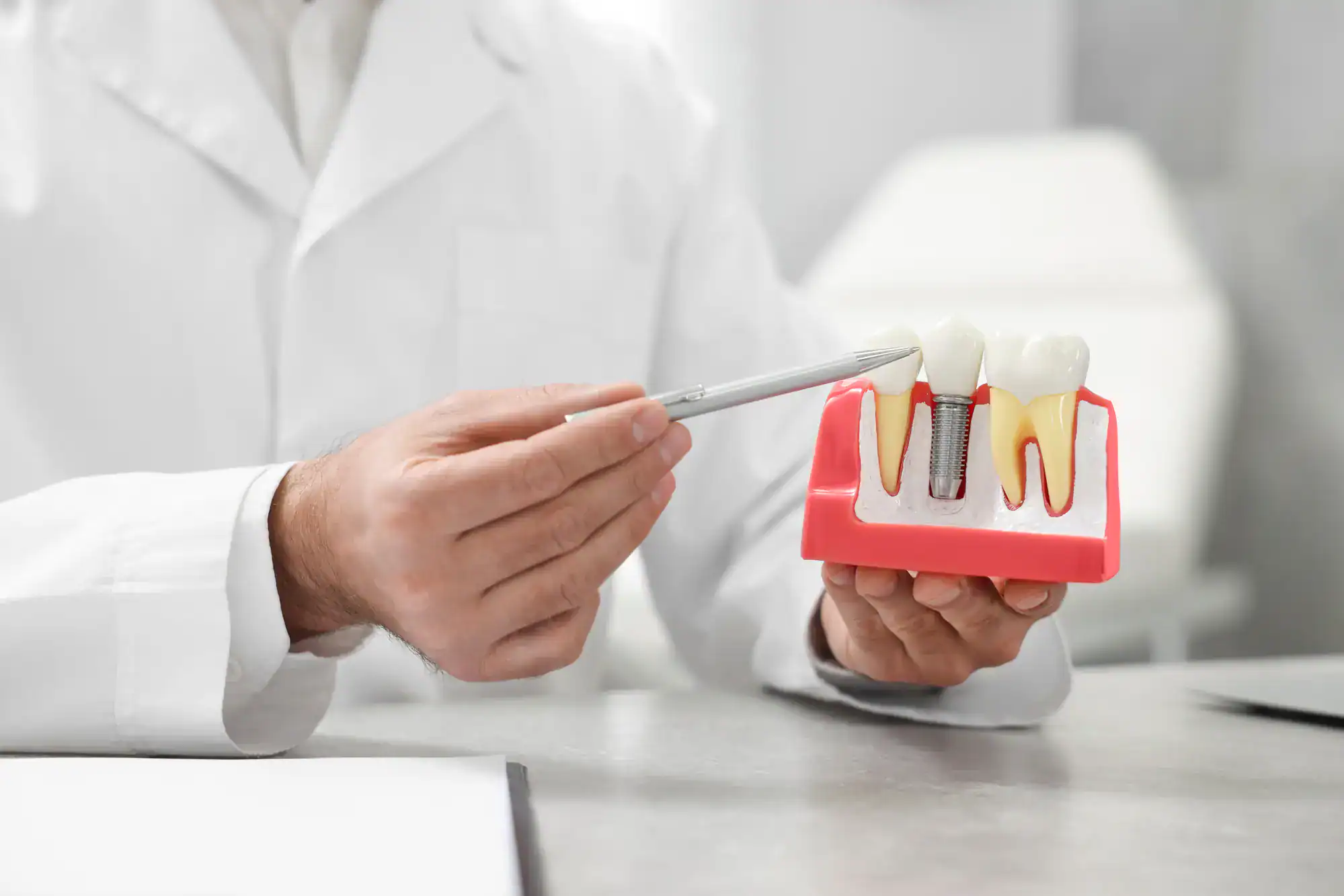
Dental implants in Knox, NY solve that at the root level literally. A titanium post goes into the jawbone where your tooth used to be, fuses with the bone over a few months, and then gets a crown on top that looks and functions like a natural tooth. You don’t remove it at night. You don’t adjust your diet around it. You just use it.
For Knox residents, there’s a layer to this that matters beyond the clinical basics. The Helderberg winters are real heavier snow, icier roads on Route 156, and a shorter window for comfortable travel. Every season you put this off, the bone loss progresses. The most significant deterioration happens in the first 18 months, but it doesn’t stop there. Getting this handled now means a simpler procedure, better bone to work with, and a result that lasts.
Dr. Scott Kupetz has been practicing since 1988 that’s over 35 years of placing and restoring dental implants for patients across Albany County, including Knox and the surrounding Helderberg Hilltowns. He graduated from Fairleigh Dickinson College of Dental Medicine and has spent his career building the kind of practice where patients know exactly who they’re seeing, every single time.
There’s no rotating associate here. No DSO structure. No showing up for your crown placement and meeting someone new. Knox residents who make the drive to see Dr. Kupetz are seeing Dr. Kupetz the same doctor who did the consultation, placed the post, and knows your case from the beginning.
Knox has no dentist of its own. The nearest general office is several miles away in Altamont, and for anything involving implants, residents are already used to traveling. When you’re making that drive anyway, it should be to someone with a track record, not whoever’s closest. We’ve been serving the Knox community specifically for years, and that commitment isn’t new.

The first appointment is a consultation. We look at your bone density, evaluate the site where the tooth is missing, and talk through what the process looks like for your specific situation. If bone loss has already progressed which is common for Knox patients who’ve been dealing with a gap for a year or more that gets factored in early, not discovered later.
If everything looks good, the titanium post gets placed into the jawbone during a surgical appointment. Then there’s a healing period typically a few months where the post fuses with the bone in a process called osseointegration. Once the implant is stable, we place the dental implant crown on top, and that’s your finished tooth.
The whole process is handled here, in one location, by one doctor. For Knox residents navigating Route 156 in winter, that matters. You’re not getting sent to a specialist in Albany for the surgical phase and then back somewhere else for the crown. It’s one practice, one relationship, and a clear timeline from start to finish. Most patients are surprised by how manageable the process actually is especially with sedation options available for anyone who’s been avoiding care out of anxiety.
Ready to get started?
A single tooth implant in Knox, NY is the most common starting point one post, one crown, one tooth replaced without touching the healthy teeth on either side. Compare that to a bridge, which requires permanently grinding down the two adjacent teeth to anchor it. Those teeth are altered forever, even if they were perfectly healthy going in. And bridges typically fail within five to ten years. An implant, placed correctly, can last the rest of your life.
For patients missing a back tooth, a molar implant in Knox, NY restores the part of your mouth doing most of the chewing work. Molar implants require a slightly more robust post given the bite forces involved, but the process is the same and the functional difference when it’s done is significant. Patients who’ve been compensating on one side for months finally get to chew normally again.
If you’re dealing with multiple missing teeth or looking at full-arch restoration, implant-supported dentures and All-on-4 procedures are also available. These aren’t removable appliances they’re fixed to implants, which means no adhesive, no slipping, and no bone loss from a floating denture sitting on top of the gum. For Knox residents who’ve been managing with a partial or full denture and are tired of the limitations, this is worth a real conversation. We offer sedation dentistry across all implant procedures, so if anxiety has been the reason you’ve waited, that’s a solvable problem.
Knox doesn’t have a dentist located within the town itself the nearest general dental office is in Altamont, a few miles northeast on Route 156, and for implant-specific care, residents have typically had to look toward Guilderland or Albany. We serve Knox patients directly and maintain a dedicated presence for the community. This isn’t a recent addition Knox has been part of our service area for years.
For a procedure like dental implants, where you’re looking at multiple appointments over several months, the relationship with your provider matters as much as the geography. Driving to a practice where the same doctor handles every step consultation, post placement, crown restoration is a better use of that drive than going to the nearest option and getting a different face at each visit.
A single tooth implant generally runs between $3,000 and $5,000 depending on the complexity of the case, whether a bone graft is needed, and the specific tooth being replaced. That number can feel significant upfront, especially compared to a bridge, which tends to cost less initially. But bridges require grinding down healthy adjacent teeth, and they typically need to be replaced within five to ten years sometimes sooner. When you factor in the cost of replacement and the permanent alteration to otherwise healthy teeth, the long-term math on implants is usually better.
For Knox residents weighing the decision, we offer financing options so you’re not looking at the full amount out of pocket at once. Most dental insurance plans don’t cover implants fully, but some cover portions of the crown or the diagnostic work. It’s worth a conversation during the consultation to understand exactly what your situation looks like before making a decision based on the sticker price alone.
When a tooth is lost, the bone that used to surround and support that root no longer gets stimulation from biting and chewing. Without that signal, the body starts to resorb the bone essentially breaking it down and redirecting the minerals elsewhere. The most significant loss happens in the first 18 months, but the process doesn’t stop there. Over years, this can cause neighboring teeth to shift and tilt toward the gap, change your bite alignment, and give the face a subtly sunken appearance in that area.
For Knox residents who’ve been living with a missing tooth for a while sometimes years, because rural access to dental care isn’t always straightforward this is the part that often comes as a surprise. The gap itself feels like the problem, but the bone loss happening underneath it is the bigger long-term issue. A dental implant is the only tooth replacement option that actually addresses this, because the titanium post functions like a root and restores the stimulation the bone needs to stay intact.
The core difference comes down to what each option does to the teeth around it. A fixed bridge works by anchoring to the two teeth on either side of the gap but to do that, those teeth have to be permanently ground down and capped, even if they were completely healthy before. Once that’s done, it can’t be undone. The bridge sits on top of the gum and doesn’t interact with the jawbone beneath, which means bone loss in that area continues.
A single tooth implant in Knox, NY replaces only the missing tooth. The adjacent teeth stay completely untouched. The titanium post goes into the bone where the root used to be, stimulates the jaw the way a natural tooth would, and gets a crown on top that functions like a real tooth. Implants also tend to outlast bridges significantly a well-placed implant can last decades, while bridges typically need replacement within five to ten years. For most patients who are good candidates, the implant is the more conservative and longer-lasting choice.
Yes we offer sedation for implant procedures, and it’s more commonly used than most patients expect. A lot of people who’ve been putting off dental care for years which is especially common in rural communities like Knox where access hasn’t always been straightforward aren’t avoiding it because they don’t want the problem fixed. They’re avoiding it because the idea of surgery feels overwhelming, or because a bad experience somewhere along the way left them with real anxiety about dental work.
Sedation changes the experience significantly. Most patients who’ve used it describe the procedure as far more manageable than they anticipated some remember very little of it. If anxiety has been the reason you’ve been living with a missing tooth instead of dealing with it, that’s worth mentioning during the consultation. It’s not an unusual request, and it won’t be treated like one. Our goal is to get you through the procedure comfortably, not to push you through something you’re not ready for.
The full timeline from consultation to final crown is typically somewhere between three and six months, depending on your specific situation. The consultation and any diagnostic imaging happen first. Then the titanium post is placed surgically, and the healing phase begins this is where the implant fuses with the jawbone, a process called osseointegration, and it usually takes two to four months. Once the implant is stable, the crown is placed on top, and the process is complete.
If bone grafting is needed which is more likely for Knox patients who’ve had a missing tooth for a year or more, since bone loss progresses over time that can add some length to the timeline. It’s not a reason to avoid moving forward; it just means the process gets mapped out clearly at the consultation so there are no surprises. For patients commuting from the Helderbergs along Route 156, we space out the appointment schedule so you’re not making weekly trips. Most of the timeline is healing time, not chair time.
Other Services we provide in Knox