


Hear from Our Customers
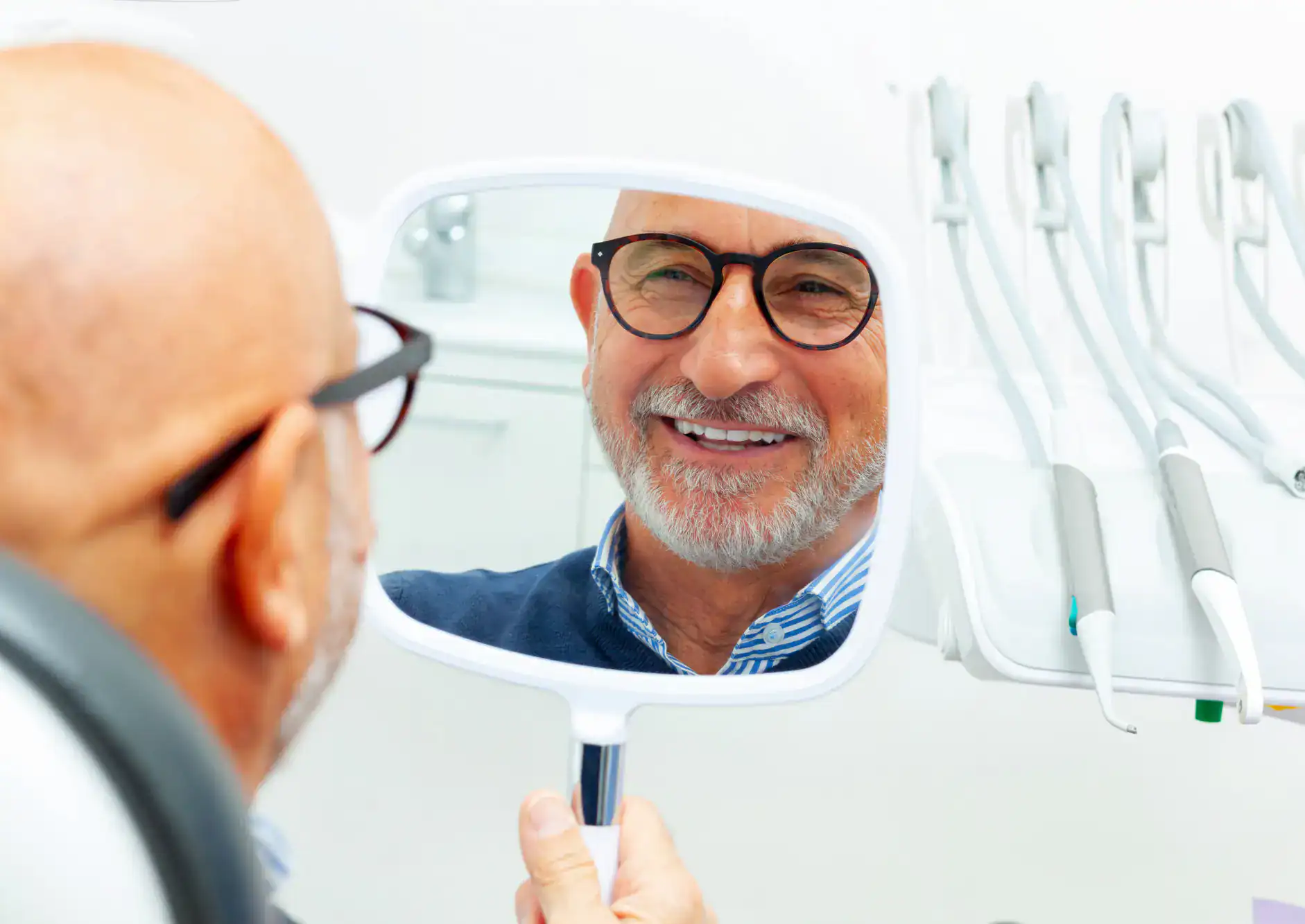
You stop avoiding certain foods. You stop thinking about your smile before you laugh. You stop adjusting how you chew, how you talk, or how you show up in a room. That’s what dental implants actually do they give you back the function and confidence that a missing tooth quietly takes away over time.
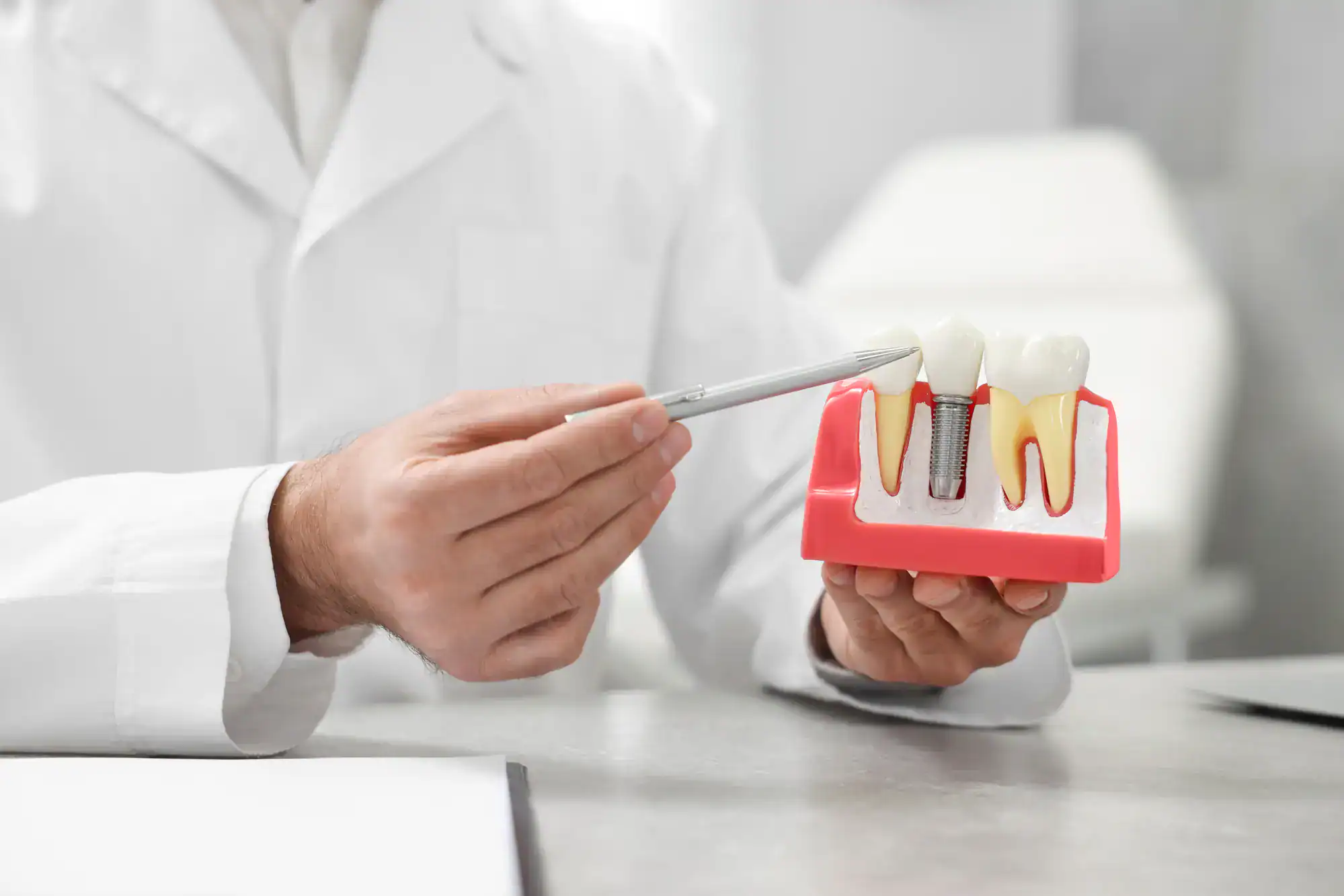
For Haviland residents, especially those settling into retirement in communities like Hidden Brook Estates or Venture Lake Estates, this isn’t just about appearance. It’s about staying active, enjoying meals, and not letting a dental issue shrink your life. Implants are the only tooth replacement option that includes a titanium post acting as an artificial root which means they stimulate your jawbone, preserve your facial structure, and don’t require grinding down the healthy teeth on either side the way a bridge does.
The other thing worth knowing: the most significant bone loss after tooth extraction happens within the first 18 months. It doesn’t pause while you think it over. Waiting doesn’t keep your options open it narrows them. Getting a consultation now costs nothing. Doing nothing has a real cost that most patients don’t realize until they’re looking at a more complicated treatment plan than they started with.
We graduated from Fairleigh Dickinson College of Dental Medicine in 1988 and have been practicing in the Hudson Valley ever since. We were placing dental implants in Dutchess County before most of the competing practices in the area existed. That kind of tenure isn’t a marketing line it’s a real track record, built one patient at a time, in a community where word travels fast and reputations hold.
At our practice, there’s one doctor. When you call, you know who you’re calling. When you sit down for a consultation, you know who’s walking you through it. When you have a question six months after your procedure, you know exactly who to reach. For Haviland patients who’ve driven south on Route 9G to Poughkeepsie for professional services their whole lives, we’re a Dutchess County dentist who already knows your community and has for decades.
It starts with a consultation. We review your dental history, take a close look at your bone density and gum health, and give you a clear picture of whether you’re a candidate for dental implants in Haviland, NY and what the full process looks like for your specific situation. No vague timelines, no surprises.
If implants are the right fit, the next step is placing the titanium post into the jawbone. This is the part that most patients are anxious about, and it’s also where sedation makes the biggest difference. We offer sedation options that keep you relaxed and comfortable throughout this isn’t white-knuckling through surgery. After the post is placed, there’s a healing period where the implant fuses with the bone. That process takes a few months, but it’s also what makes the final result so stable and long-lasting.
Once the bone has integrated with the implant, an abutment is attached and your permanent dental implant crown is placed. The entire process from first consultation through final crown happens here, at our practice, with one doctor. No referrals to a periodontist across town, no coordinating between multiple offices. For Haviland patients who already factor in the drive down Route 9G for appointments, keeping everything in one place matters.
Ready to get started?
Whether you’re missing one molar or dealing with significant tooth loss across an entire arch, the approach starts the same way: a real conversation about what’s happening in your mouth, what your goals are, and what the most durable solution looks like for your specific case.
For a single missing tooth, a tooth implant in Haviland, NY replaces the root and the crown no alteration to the healthy teeth on either side, no floating bridge that needs replacing in seven years. For patients missing multiple teeth, implant-supported options can eliminate the need for a removable partial denture entirely. For those who’ve been living with full dentures, All-on-4 implant treatment offers a fixed, permanent alternative with a documented 98.8% survival rate. These aren’t experimental procedures they’re well-established, with a global implant success rate that exceeds 96%.
Cost is a real consideration, and we address it directly. A single dental implant is a significant upfront investment compared to a bridge or a denture. But a bridge that fails in seven to ten years, followed by the bone loss that both bridges and dentures allow to continue unchecked, often costs more in the long run in money, in complexity, and in what your jaw looks like a decade from now. We offer financing options, and we’ll walk you through what makes sense for your situation before you make any decisions.
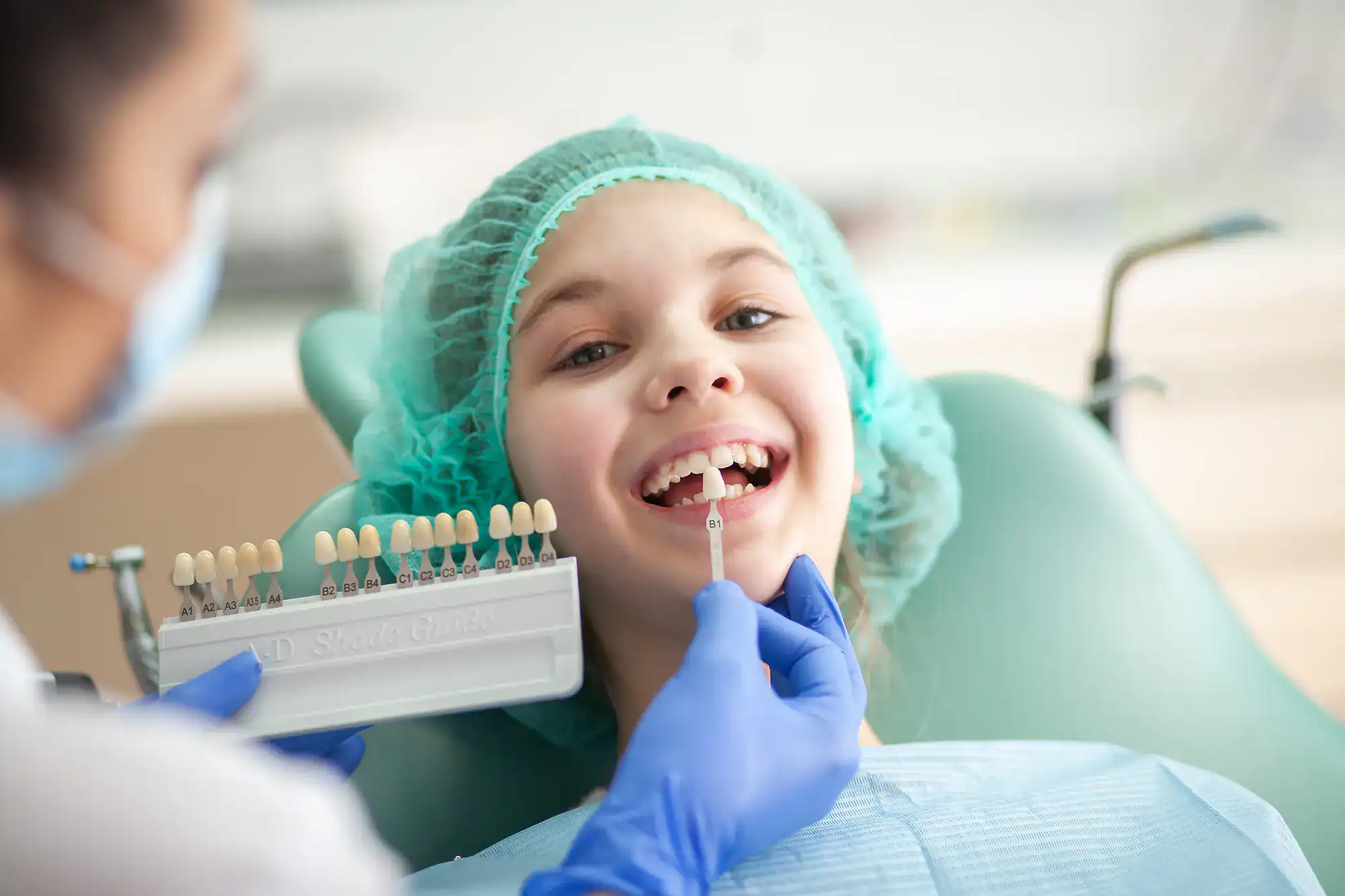
Most adults who are missing one or more teeth are at least worth evaluating. The two main factors that determine candidacy are bone density and overall gum health. If you’ve had a tooth missing for a while which is common among Haviland patients who’ve been putting off treatment there may be some bone loss that needs to be addressed first. That doesn’t automatically disqualify you, but it does affect the treatment plan.
We’ll take a close look at your current bone structure and gum condition during the consultation. If a bone graft is needed before implant placement, that gets discussed upfront not after you’ve already committed to a plan. Conditions like diabetes or a history of smoking can affect healing and are factored into the evaluation honestly. The goal of the consultation isn’t to sell you on implants it’s to give you an accurate picture of what’s possible and what the process actually looks like for you.
A well-placed dental implant, properly cared for, can last the rest of your life. That’s not a sales line it’s the clinical reality behind why implants carry a higher upfront cost than alternatives. Traditional fixed bridges typically last between seven and fifteen years before they need to be replaced, and each replacement involves additional work on the anchor teeth. Removable dentures require regular refitting as the jawbone continues to change shape beneath them.
The key difference is what’s happening below the gumline. Implants include a titanium post that integrates with your jawbone and stimulates it the way a natural tooth root does. Bridges and dentures sit on top of the gum or anchor to surrounding teeth they don’t address the bone loss that begins immediately after extraction. For Haviland residents who think in terms of long-term value, the same way they think about maintaining a home they’ve owned for decades, the math on implants tends to look different once the full picture is on the table.
The procedure itself is done under local anesthesia, so you won’t feel the implant being placed. What most patients describe afterward is soreness and mild swelling for a few days manageable with over-the-counter pain relief in most cases. The anticipation is almost always worse than the reality.
For patients who are genuinely anxious and many people in Haviland have avoided the dentist for years because of past experiences or general nervousness about procedures we offer sedation options that go beyond local anesthesia. Sedation keeps you calm and relaxed throughout the appointment. You’re not unconscious, but you’re not tense and white-knuckling through it either. Most patients who use sedation report that the procedure felt far shorter and more comfortable than they expected. If anxiety has been the reason you’ve been putting off a consultation, that’s worth mentioning when you call it changes how the appointment is set up from the start.
A single dental implant in the Dutchess County area typically ranges from $3,000 to $5,000 for the full treatment post, abutment, and crown. If a bone graft is needed before placement, that adds to the cost and gets outlined clearly before any treatment begins. Full-arch options like All-on-4 are a larger investment and are priced based on the specific case.
Most traditional dental insurance plans cover little to nothing for implants, treating them as cosmetic rather than restorative. That’s frustrating, and it’s worth knowing going in. However, if you have a flex spending account or HSA, implants typically qualify. We also offer financing options through the practice, which can spread the cost over time in a way that makes the investment more manageable. The more useful way to think about cost isn’t the sticker price versus a bridge it’s the sticker price versus the total cost of replacing a bridge twice, managing continued bone loss, and dealing with a more complicated treatment plan five or ten years from now.
When a tooth is lost, the jawbone beneath it begins to resorb essentially, it starts to shrink because it’s no longer receiving stimulation from a root. The most significant bone loss happens within the first 18 months after extraction, but the process continues for years. Over time, this can change the shape of your face, cause neighboring teeth to shift, and make future implant placement more complicated because there’s simply less bone to work with.
This is the part of the conversation that most patients don’t hear until they’re already dealing with the consequences. For Haviland residents who’ve had a missing tooth for a year or more whether it’s a molar in the back that “doesn’t show” or a front tooth they’ve been covering up the bone loss is already underway. It doesn’t mean implants are off the table, but it does mean the treatment plan may involve additional steps. The sooner you have the conversation, the more straightforward your options tend to be.
Yes, and it’s one of the more common situations we see among older patients in the Haviland area. Long-term denture wearers often experience significant bone loss over the years, because dentures rest on the gum surface and don’t stimulate the underlying bone the way natural teeth or implants do. That bone loss is real, and it does need to be assessed before any implant treatment begins.
In many cases, a bone graft can restore enough volume to support implants. For patients who’ve been in full dentures and want a fixed, non-removable solution, implant-supported options including All-on-4 are specifically designed for this situation. We’ll evaluate how much bone remains, whether grafting is needed, and what the realistic timeline looks like. It’s a more involved process than a straightforward single-tooth implant, but for patients in Haviland’s 55-plus communities who are tired of the limitations that come with removable dentures, it’s a conversation worth having. The goal is always to give you an honest picture of what’s achievable before you make any decisions.
Other Services we provide in Haviland