


Hear from Our Customers

You stop avoiding certain foods. You stop covering your mouth when you laugh. You stop wondering if people notice. That’s what actually changes when a missing tooth gets replaced the right way and if you’ve been living with that gap for a while in Crown Heights, you already know exactly what we’re talking about.
Here’s what most people don’t realize until it’s too late: the moment a tooth is gone, the bone underneath it starts to shrink. It doesn’t wait. The most significant bone loss happens in the first 18 months, and it continues quietly from there shifting adjacent teeth, changing your bite, and making future treatment harder and more expensive than it needed to be. For Crown Heights residents, where the median age sits around 51 and many people have been putting this off for years, that timeline matters more than most people want to admit.
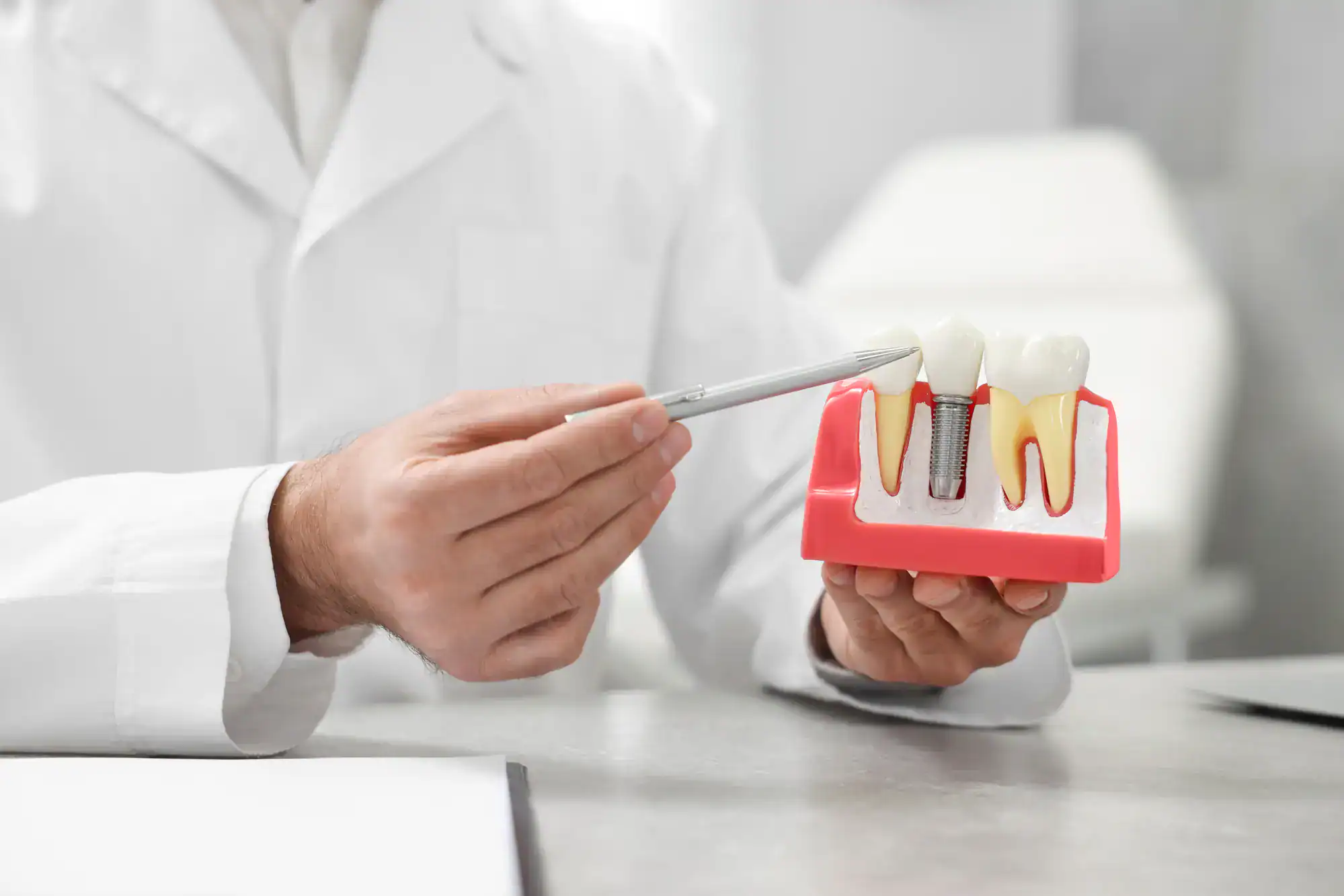
A dental implant in Crown Heights, NY isn’t just a cosmetic fix. It replaces the root itself the titanium post goes into the jaw, stimulates the bone the way a natural root does, and holds everything stable above it. The surrounding teeth stay where they are. The bone stays intact. And unlike a bridge, no healthy teeth get ground down to make it work. This is permanent teeth replacement in Crown Heights, NY that actually addresses the problem not just the appearance of it.
Dr. Scott Kupetz graduated from Fairleigh Dickinson College of Dental Medicine in 1988 and has been practicing in Dutchess County ever since. That means he was already here already seeing patients along the Route 9 corridor before the Poughkeepsie Galleria was fully built out, before much of Crown Heights’ current housing stock changed hands. That kind of tenure in Crown Heights and the surrounding area isn’t something you can manufacture.
What makes our practice different isn’t a list of equipment. It’s the fact that when you come in for dental implants in Crown Heights, NY, you see Dr. Kupetz. Not a rotating associate. Not a provider you’ve never met. The same doctor for your consultation, your placement, and your follow-up. For a community like Crown Heights where people own their homes for decades and build long-term relationships with the professionals they trust that consistency isn’t a bonus. It’s the baseline.
Our office is on New Hackensack Road in Wappingers Falls, about four miles south on the same Route 9 you already drive. It’s not a referral to a specialist across the county. It’s your neighbor.

It starts with a consultation. Dr. Kupetz takes a close look at the area, evaluates your bone density, and talks through your options honestly including whether a bone graft might be needed before placement. If you’ve been told in the past that you don’t have enough bone for an implant, it’s worth having that conversation again. Grafting techniques have advanced significantly, and more patients qualify today than they did even ten years ago.
If you’re a candidate, the next step is placing the titanium post the part that acts as the tooth root. This is done in-office, and sedation is available if the idea of surgery makes you tense. A lot of Crown Heights patients who’ve been putting this off for years are surprised by how manageable the actual procedure is when anxiety isn’t getting in the way. After placement, there’s a healing period while the implant fuses with the jawbone typically a few months and then the crown is placed on top.
The entire process happens here, with Dr. Kupetz. You’re not being sent to an oral surgeon across town and then back to a separate restorative dentist. One provider, one location, from the first appointment to the finished tooth. For people who’ve been dealing with a missing tooth for months or years, the straightforwardness of that is usually a relief.
Ready to get started?
If you’re weighing a dental implant against a bridge, here’s the honest version of that comparison. A bridge works by anchoring to the two teeth on either side of the gap which means those teeth get permanently ground down, even if they’re perfectly healthy. The bridge sits on top of the gum line, but nothing replaces the root below it. The bone continues to shrink. And because cleaning under a bridge is difficult, the anchor teeth are at higher risk for decay over time. Most bridges need to be replaced within 5 to 10 years.
A single tooth implant in Crown Heights, NY replaces the root. The titanium post integrates with the jawbone, keeps the bone stimulated, and holds the crown in place without touching the adjacent teeth. It’s the only missing teeth replacement option in Crown Heights, NY that actually addresses what’s happening below the gum line not just above it. For Crown Heights residents thinking in terms of long-term value, the math is straightforward: one implant done right versus two or three bridge replacements over the next two decades.
Molar implants in Crown Heights, NY follow the same process but require particular attention to bite force and bone density in the back of the jaw something Dr. Kupetz evaluates carefully before recommending a plan. Whether it’s a single front tooth or a molar implant, the goal is the same: a permanent result that holds up and doesn’t require you to come back and do it again.
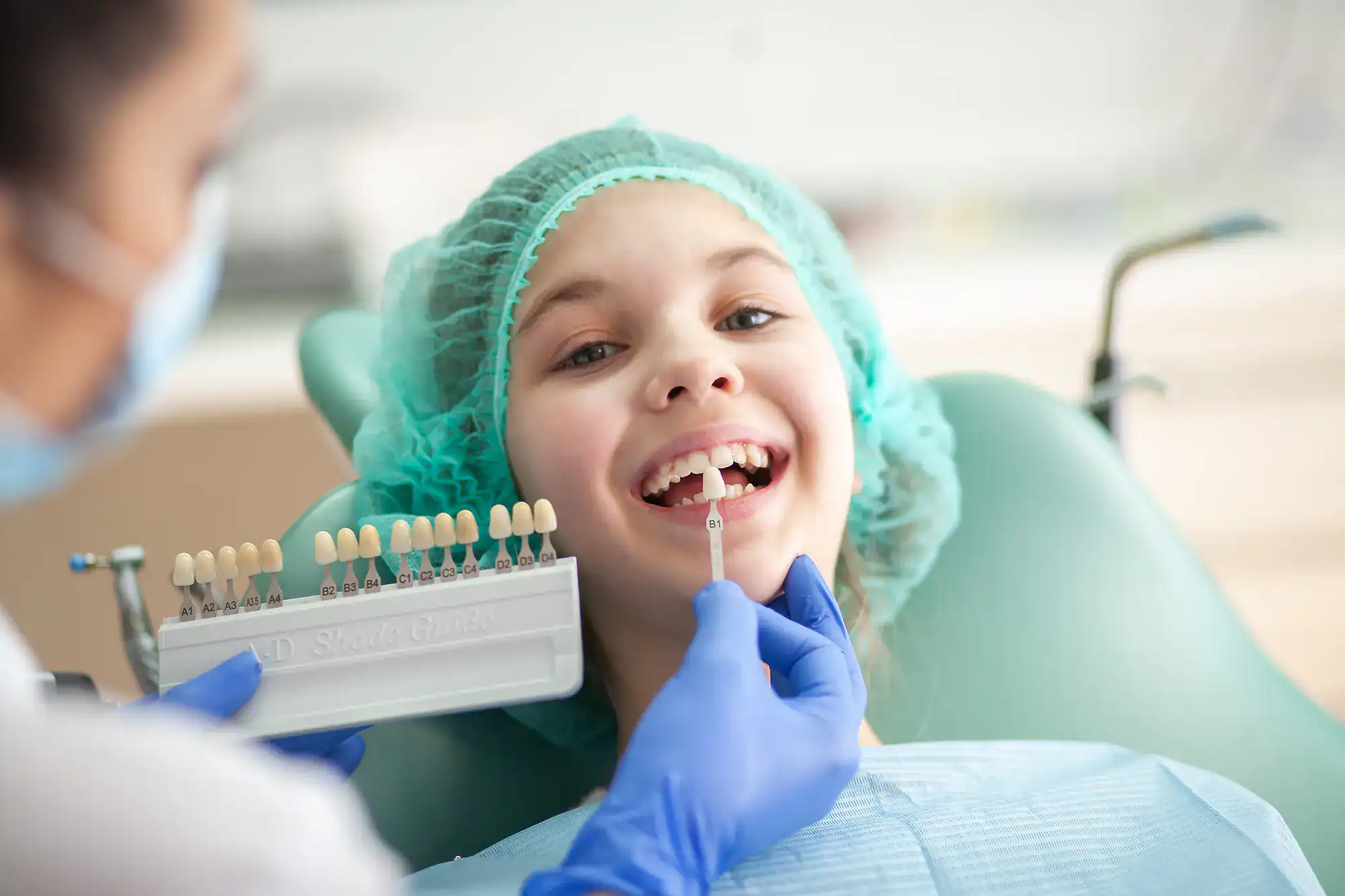
The full timeline from consultation to finished crown is typically four to eight months, though it varies depending on whether a bone graft is needed first. The implant placement itself is a single appointment. After that, the healing phase where the titanium post fuses with the jawbone takes roughly three to six months. Once that’s confirmed, the crown is placed, and you’re done.
For Crown Heights patients who’ve been living with a gap for a while, the timeline can feel long at first. But it’s worth putting in perspective: you’re building a permanent tooth, not patching a problem. The healing phase is passive you’re not in the chair every week. Most patients describe the process as much less disruptive to daily life than they expected, especially when sedation is used for the placement appointment.
A single dental implant in Crown Heights, NY typically runs between $3,000 and $5,000 depending on whether any preparatory work like a bone graft or extraction is needed beforehand. A bridge is usually less upfront, often in the $2,500 to $3,500 range. But that comparison doesn’t hold up over time.
A bridge generally needs to be replaced every 5 to 10 years. Each replacement involves the same cost, plus the ongoing risk of decay in the anchor teeth. An implant, properly placed and maintained, can last the rest of your life. For Crown Heights homeowners who think in terms of long-term investment maintaining a home, planning for retirement the implant is the better financial decision over a 20-year horizon. We offer financing options for patients who want to spread the cost, but the investment framing is the more honest way to look at it.
The placement procedure itself is done under local anesthesia, so you won’t feel pain during the surgery. Most patients describe the post-procedure soreness as similar to a tooth extraction manageable with over-the-counter pain relief for the first few days. Swelling and mild discomfort in the first 48 to 72 hours is normal and typically resolves quickly.
For patients who have significant dental anxiety which is common among Crown Heights residents who grew up with older dental techniques and have been avoiding care for years we offer sedation dentistry. Sedation means you’re relaxed and largely unaware of the procedure as it happens. The recovery experience doesn’t change, but the psychological barrier going in is much lower. If anxiety has been the reason you’ve been putting this off, that’s worth knowing before you decide it’s not an option for you.
Bone loss is one of the most common reasons people are told they can’t get an implant and it’s also one of the most commonly outdated assessments. If you were evaluated years ago and told the bone wasn’t sufficient, that conversation is worth having again. Bone grafting has become a reliable, routine part of the implant process, and it’s regularly used to rebuild the jaw volume needed to support a titanium post.
The reality is that many Crown Heights patients who’ve been living with a missing tooth for years have experienced some degree of bone loss that’s what happens when a root is no longer present. But that doesn’t automatically disqualify you. Dr. Kupetz evaluates each case individually, looks at current bone density, and gives you a clear picture of what’s actually possible. The answer is sometimes a graft first, then an implant. But the answer is rarely a flat no.
There’s no upper age limit for dental implants. Adults of any age can be good candidates as long as the jawbone has finished developing which typically happens by the late teens or early twenties and overall health supports the procedure. For Crown Heights, where the median age is 51.7 and a significant portion of residents are retirees or near-retirees, this is a genuinely relevant question.
What matters more than age is bone density, gum health, and whether any systemic health conditions need to be accounted for things like uncontrolled diabetes or certain medications that affect bone healing. Dr. Kupetz reviews all of that during the consultation. Many of his implant patients are in their 60s and 70s, and the outcomes are just as strong as they are for younger patients when the groundwork is done properly. Age alone is not a barrier.
The short answer: the longer you wait, the harder and more expensive the fix becomes. When a tooth is missing, the bone that used to surround the root starts to resorb your body essentially reclaims it because it’s no longer being used. The most significant loss happens in the first 18 months, but it doesn’t stop there. Over time, adjacent teeth begin to drift into the gap, your bite shifts, and the structural changes can start affecting teeth that were never part of the original problem.
For Crown Heights residents who’ve been telling themselves they’ll deal with it eventually, this is the part worth sitting with. A bone graft adds time and cost to the implant process. Shifting teeth can create alignment issues that require additional treatment. And none of that accounts for the daily quality-of-life impact the foods you avoid, the self-consciousness, the way a gap changes how you carry yourself. Tooth loss and bone loss in Crown Heights, NY are connected in a direct and progressive way. The best time to address it was when it happened. The second-best time is now.
Other Services we provide in Crown Heights