

Hear from Our Customers
Most people who come in for a dental implant consultation aren’t just asking about a tooth. They’re asking about the confidence to smile in a photo, the ability to eat without thinking twice, and the relief of knowing they finally did something about a problem they’ve been carrying around for months sometimes years. That’s what a permanent tooth replacement actually delivers.
For Brunswick residents, there’s a specific frustration worth naming: the most commonly referenced local dental practice sends implant patients to outside oral surgeons. That means more appointments, more coordination, and more time off from a commute that already takes you into Troy or Albany every day. When your dentist handles the full process placement, healing, crown you’re not managing a referral chain. You’re just done.
There’s also a clinical reality that doesn’t get talked about enough. Every month a tooth goes unreplaced, the jawbone underneath it shrinks. The most significant bone loss happens in the first 18 months after extraction, but it doesn’t stop there. A dental implant is the only replacement option that actually stimulates the bone and halts that process. A bridge doesn’t do that. A partial denture doesn’t either. And Brunswick’s older median age the town skews toward the mid-40s and above means a meaningful number of residents are already in that window where acting sooner matters more than waiting for the “right time.”
Dr. Scott Kupetz has been practicing dentistry since 1988 that’s over 35 years of placing implants, restoring smiles, and treating patients who’ve been told their situation is complicated. He graduated from Fairleigh Dickinson College of Dental Medicine and has built a single-provider practice where you always see the same doctor, every appointment, every time.
That matters more than it might sound. When your implant process spans several months from evaluation to final crown the last thing you want is to explain your history to a new face at every visit. At our practice, Dr. Kupetz knows your case because he’s the one who started it.
Patients come from across Rensselaer County, including Brunswick’s Route 7 and Route 2 corridors, Cropseyville, and the surrounding hamlets. The drive is worth it for a lot of them not because there aren’t other options, but because they stopped getting referred around and actually got the work done.
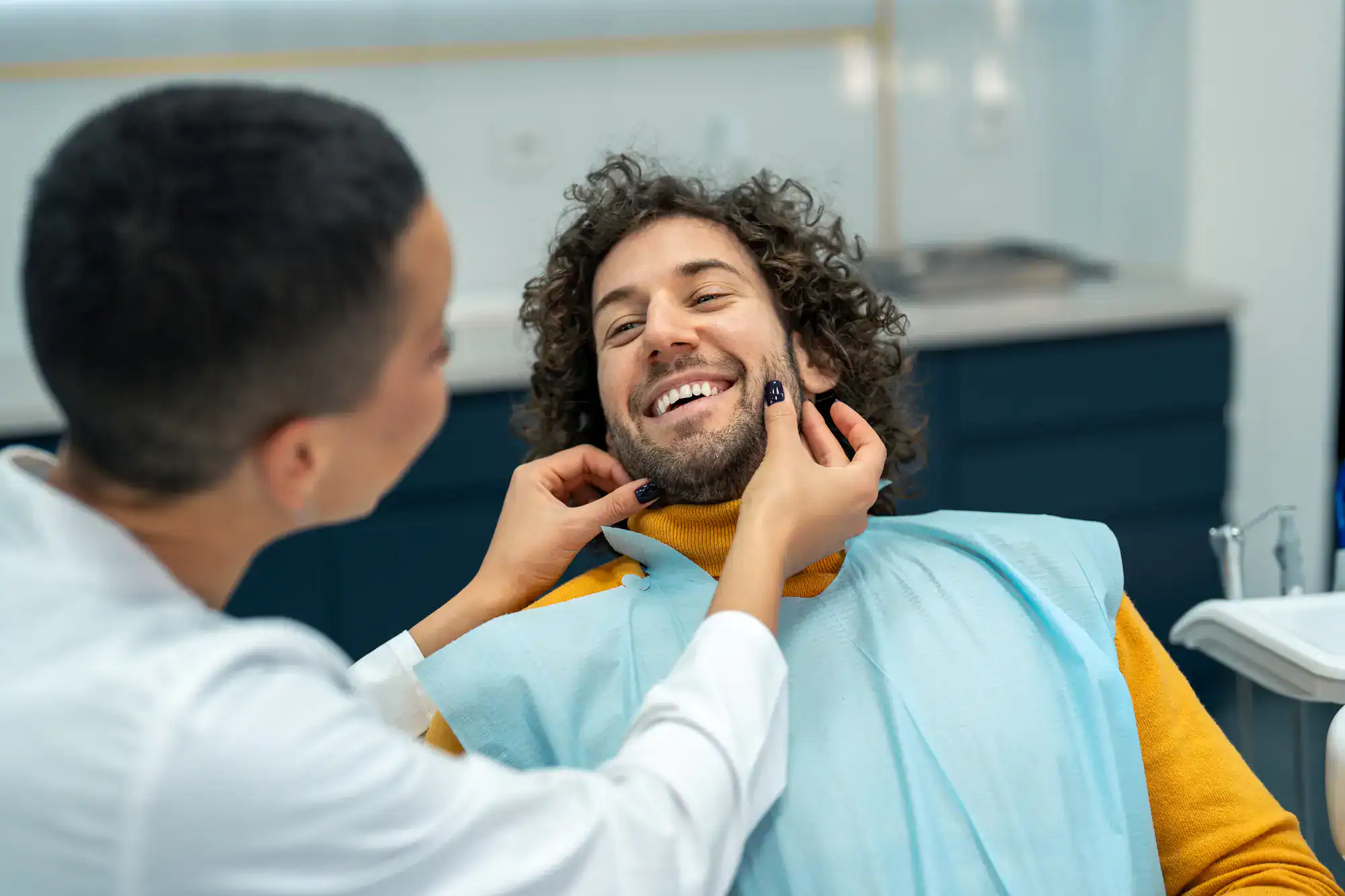
It starts with a consultation. Dr. Kupetz evaluates the site, checks bone density, and determines whether you’re a straightforward candidate or whether something like a bone graft needs to happen first. If you’ve been missing a tooth for a while which is common for patients coming from the eastern side of Brunswick, where dental access has historically meant a longer drive there may be some bone loss to address before placement. That’s not a dealbreaker; it just means the process has one more step.
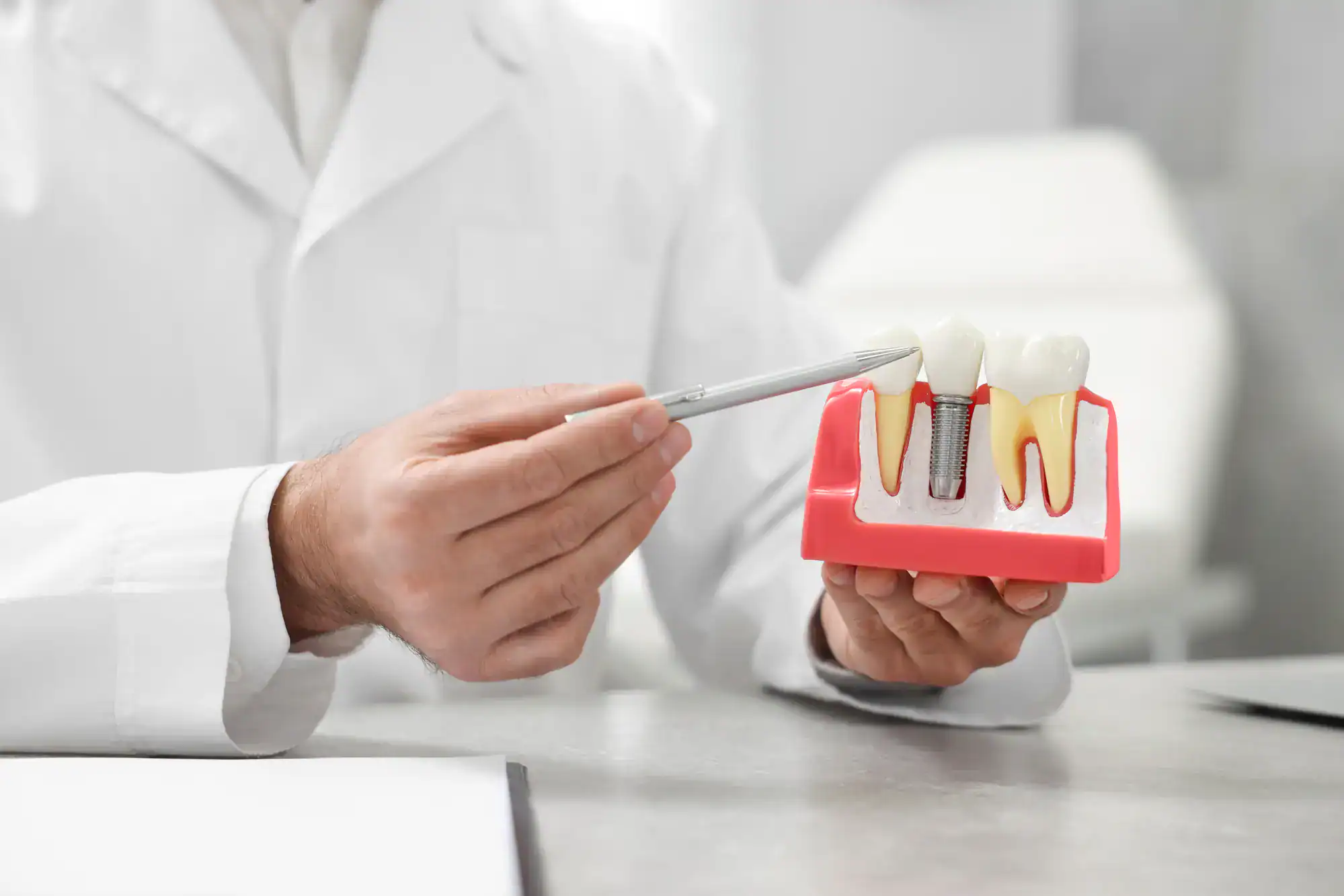
Once the implant post is placed, there’s a healing period typically a few months where the titanium fuses with the jawbone. This is called osseointegration, and it’s what makes the implant stable enough to function like a real tooth root. You’re not out of commission during this time; you go about your life. Dr. Kupetz checks in along the way.
After healing, the crown goes on. That’s the visible part the tooth that matches your natural teeth in shape and color. From that point forward, you brush and floss it like the rest of your teeth. There’s no soaking, no adhesive, no removing it at night. New York State requires all implant procedures to be performed by a licensed dentist operating within their scope of practice, and Dr. Kupetz’s credentials and experience cover the full scope of what’s done here no outside surgical referrals needed.
Ready to get started?
Single missing tooth, multiple missing teeth, or a full arch that’s been failing for years the implant options we offer cover the full range. A single-tooth implant replaces one tooth without touching the healthy teeth on either side. That’s worth emphasizing, because the bridge alternative requires permanently grinding down those adjacent teeth to use them as anchors and the bridge itself typically needs to be replaced within a decade. An implant, placed correctly and cared for properly, can last the rest of your life.
For patients missing several teeth or dealing with failing dentures, implant-supported options including full-arch restorations are also available. These are anchored into the jawbone the same way single implants are, which means they don’t shift, don’t require adhesive, and don’t accelerate the bone loss that removable dentures are known to cause.
Sedation is available for patients who need it. This isn’t a minor detail. A significant number of Brunswick residents who are living with missing teeth have been avoiding dental care specifically because of anxiety sometimes for years. If that’s you, the sedation option is what makes this a real possibility instead of something you keep putting off. We also maintain availability outside of standard business hours, including same-day appointments for dental emergencies, which matters especially for residents in Cropseyville and the more rural eastern parts of Brunswick where the nearest dental office isn’t exactly around the corner.
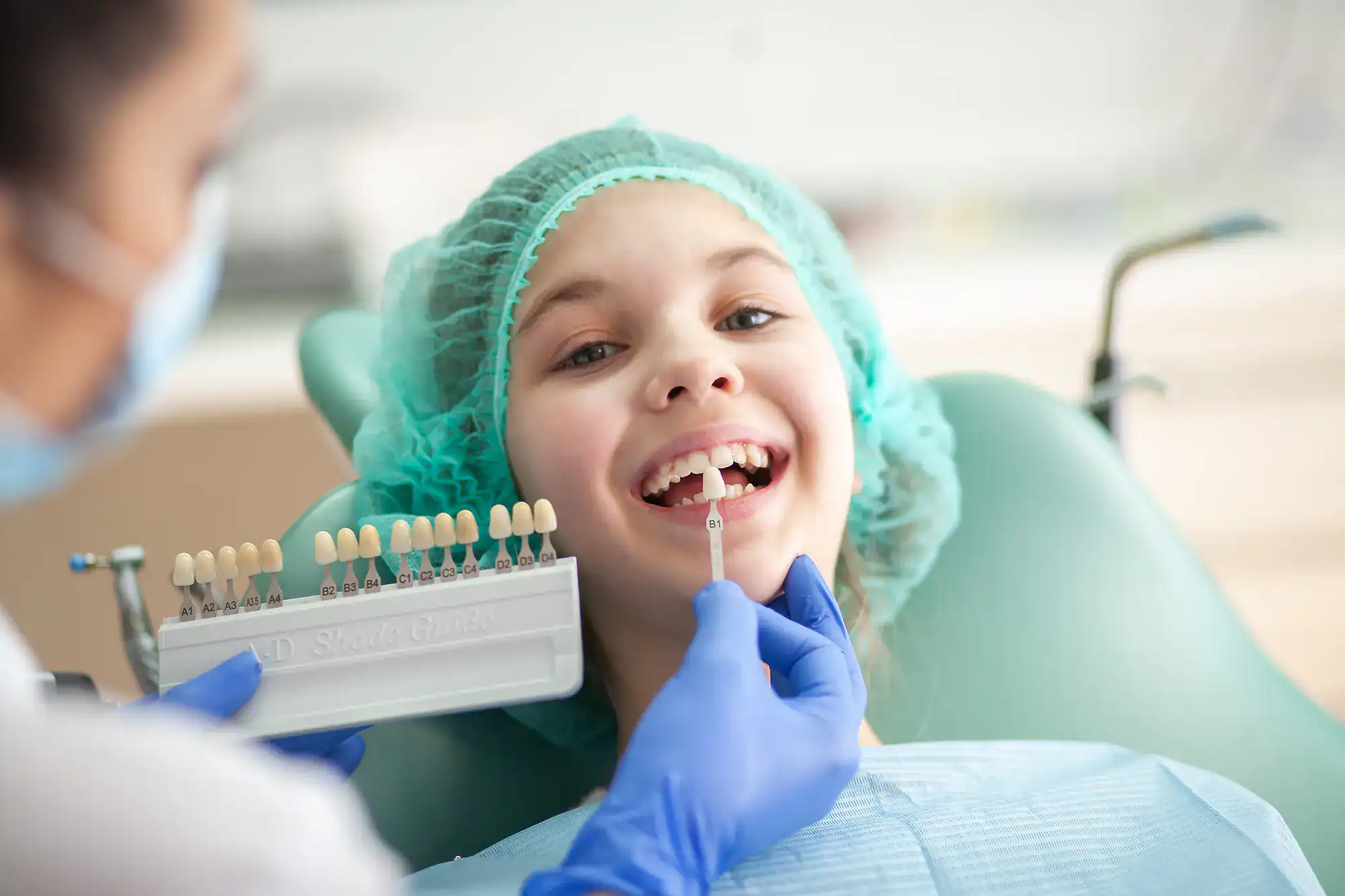
The most prominently named dental practice associated with Brunswick explicitly refers implant patients to outside oral surgeons. So if you’ve been told to find a specialist, that’s likely why. It doesn’t mean implants aren’t available to you; it means you need a dentist who handles the full process in-house.
We do exactly that. From the initial evaluation to the surgical placement to the final crown, everything happens at one practice with one doctor. For Brunswick residents who are already commuting to Troy or Albany for work, eliminating the multi-office coordination that comes with a referral-based approach is a meaningful difference not just in convenience, but in how consistently your care is managed throughout the process.
A single dental implant including the post, abutment, and crown typically ranges from $3,000 to $5,000 depending on the complexity of your case. If bone grafting is needed beforehand, that adds to the total. Full-arch restorations like All-on-4 are a larger investment, generally in the $20,000–$30,000 range per arch, though that varies based on your specific situation.
The more useful comparison isn’t implant cost versus nothing it’s implant cost versus the long-term cost of the alternatives. A bridge costs less upfront, but it requires permanently altering two healthy teeth and will likely need to be replaced within 5 to 10 years. An implant, done right, doesn’t. For Brunswick homeowners who’ve watched their property values climb the median home sold for $320,000 in late 2024 the logic of a one-time investment in something permanent tends to land. Financing options are available; ask about them during your consultation.
When a tooth is lost, the jawbone in that area no longer receives the stimulation it needs to maintain its density. Bone loss begins almost immediately after extraction, and the most significant deterioration happens within the first 18 months. After that, it continues more gradually but it doesn’t stop. Over time, this can change the shape of your face, affect how your remaining teeth sit, and make future implant placement more complex or require additional procedures like bone grafting.
This is the part of the conversation that most people don’t hear until they’ve already been missing a tooth for a few years. A dental implant is the only tooth replacement option that replicates the function of a natural tooth root it goes into the bone, stimulates it, and prevents that deterioration from progressing. A bridge sits above the gumline and does nothing for the bone underneath. A denture does the same. If you’ve been on the fence about replacing a missing tooth, the bone loss timeline is the most clinically important reason not to keep waiting.
Yes, in many cases. Significant bone loss after a long-term missing tooth is common especially for patients in the more rural parts of Brunswick, like Cropseyville or Eagle Mills, who may have been putting off dental care for years due to limited local access or anxiety. The assumption that bone loss disqualifies you from implants is one of the most common reasons people don’t even bother calling.
Bone grafting can rebuild the structure needed to support an implant in areas where density has declined. It adds a step to the process and extends the timeline, but it opens the door for patients who assumed they’d missed their window. The only way to know for certain whether you’re a candidate with or without grafting is a proper evaluation. Dr. Kupetz has been navigating these cases for over 35 years, and a consultation will give you a straight answer based on your actual situation, not a guess.
Yes. Sedation is available for patients who need it, and it’s worth being direct about why this matters. A disproportionate number of people living with missing teeth aren’t avoiding replacement because they don’t want it they’re avoiding it because dental anxiety has kept them out of the chair for years. Sometimes decades. The gap in their smile is often a direct consequence of that avoidance, not just one isolated extraction.
Sedation dentistry changes the experience enough that patients who have genuinely dreaded dental appointments can get through the procedure without the kind of stress that’s been holding them back. Dr. Kupetz has spent over 35 years working with anxious patients and has built our practice’s approach around making treatment accessible to people who don’t have a great history with dental care. If anxiety is the reason you haven’t called yet, it’s worth knowing that’s been accounted for and it doesn’t have to be the reason you keep waiting.
For most patients, yes and the reasons are more practical than they might seem. A bridge to replace a missing molar requires permanently grinding down the two healthy molars on either side so they can serve as anchors. Those teeth lose their natural structure forever, even if they were completely healthy before. The bridge then sits over the gap, and because it’s difficult to floss underneath it properly, root decay on those anchor teeth is common which is why bridges typically fail within 5 to 10 years and need to be replaced.
A molar implant, by contrast, leaves your adjacent teeth completely untouched. It goes directly into the jawbone where the missing tooth was, functions like a natural root, and prevents the bone loss that follows an unrestored extraction. For Brunswick residents who think of long-term value the same way they think about maintaining a home they’ve invested $300,000 or more into the implant math holds up clearly over time. The upfront cost is higher. The lifetime cost, when you factor in bridge replacement and the downstream effects of bone loss, usually isn’t.
Other Services we provide in Brunswick