
Hear from Our Customers
Most people in Wynantskill aren’t avoiding the dentist because they don’t care about their teeth. They’re avoiding it because they haven’t found a practice that actually makes them feel safe going. That gap between knowing you should go and actually going is where a lot of damage quietly builds up. The right dentist closes that gap.
When you’re working a full-time job in Albany or Troy, commuting 23 minutes each way, managing a household, and keeping up with your kids’ schedules at Wynantskill Union Free School District, you don’t have time for a dental practice that doesn’t work the way your life does. You need one place that handles everything your annual cleaning, your kid’s first checkup, the crown that’s been bothering you, the cosmetic work you’ve been putting off without sending you to three different offices across two counties.
That’s what a comprehensive dental practice actually delivers. Not just a cleaning twice a year, but a long-term relationship with a doctor who knows your history, your concerns, and what you’re working toward. For Wynantskill residents who chose this community because they wanted something more personal than the city, that kind of continuity matters and it’s exactly what’s been missing.
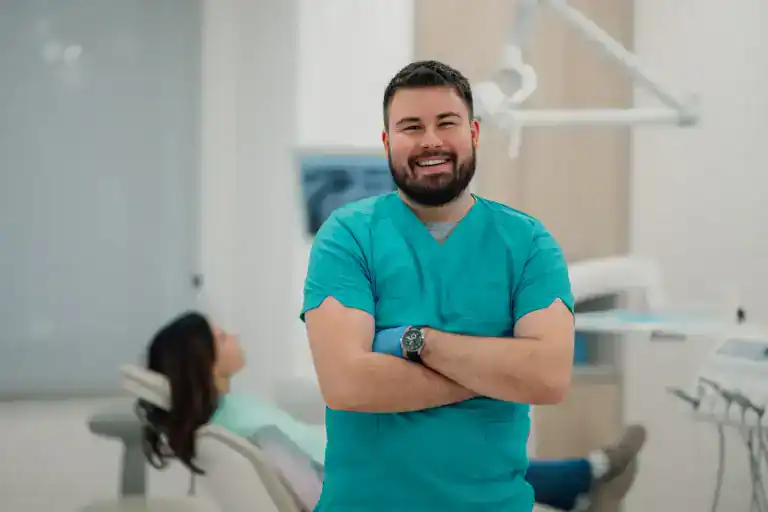
I’ve been practicing dentistry for over 30 years, and the way our practice runs reflects that. This isn’t a rotating-staff corporate office where you meet a new doctor every visit. It’s a single-doctor practice built on the kind of consistency that Wynantskill and Rensselaer County families can actually rely on the same experienced hands, the same face, the same person who remembers what you talked about last time.
We serve patients across the Capital Region, including families throughout Wynantskill, North Greenbush, Troy, East Greenbush, and the surrounding Rensselaer County communities. I hold a New York State Education Department sedation certification a separate, specialized credential that goes well beyond standard dental licensure and authorizes our practice to offer conscious sedation for patients who need it.
Real patient reviews describe me as going “over and beyond,” seeing patients during holiday weekends when no other office would, and delivering care that people describe as genuinely life-changing. That’s not a marketing line. That’s what 30 years of doing it right actually looks like.
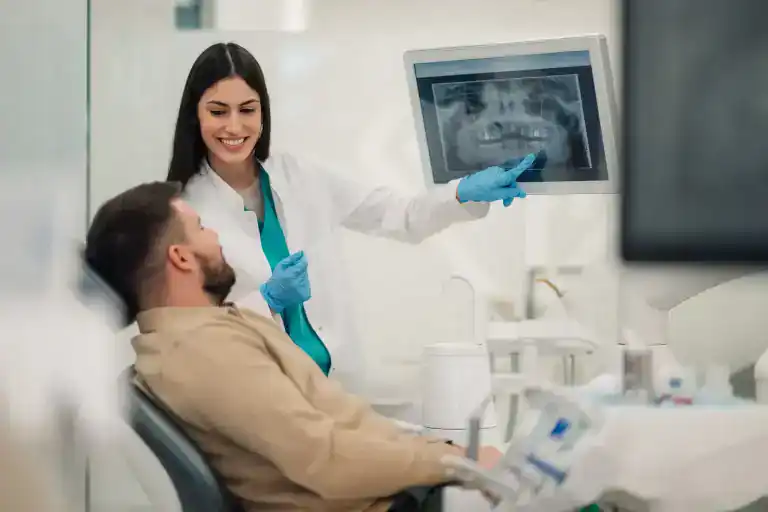
It starts with a call or an appointment request. New patients get a comprehensive exam not a rushed 10-minute glance, but a real look at what’s going on, what’s been missed, and what the options are. If it’s been a few years since your last visit, that’s fine. There’s no lecture about it. The focus is on what we can do now, explained clearly, with transparent costs and no pressure to commit to everything at once.
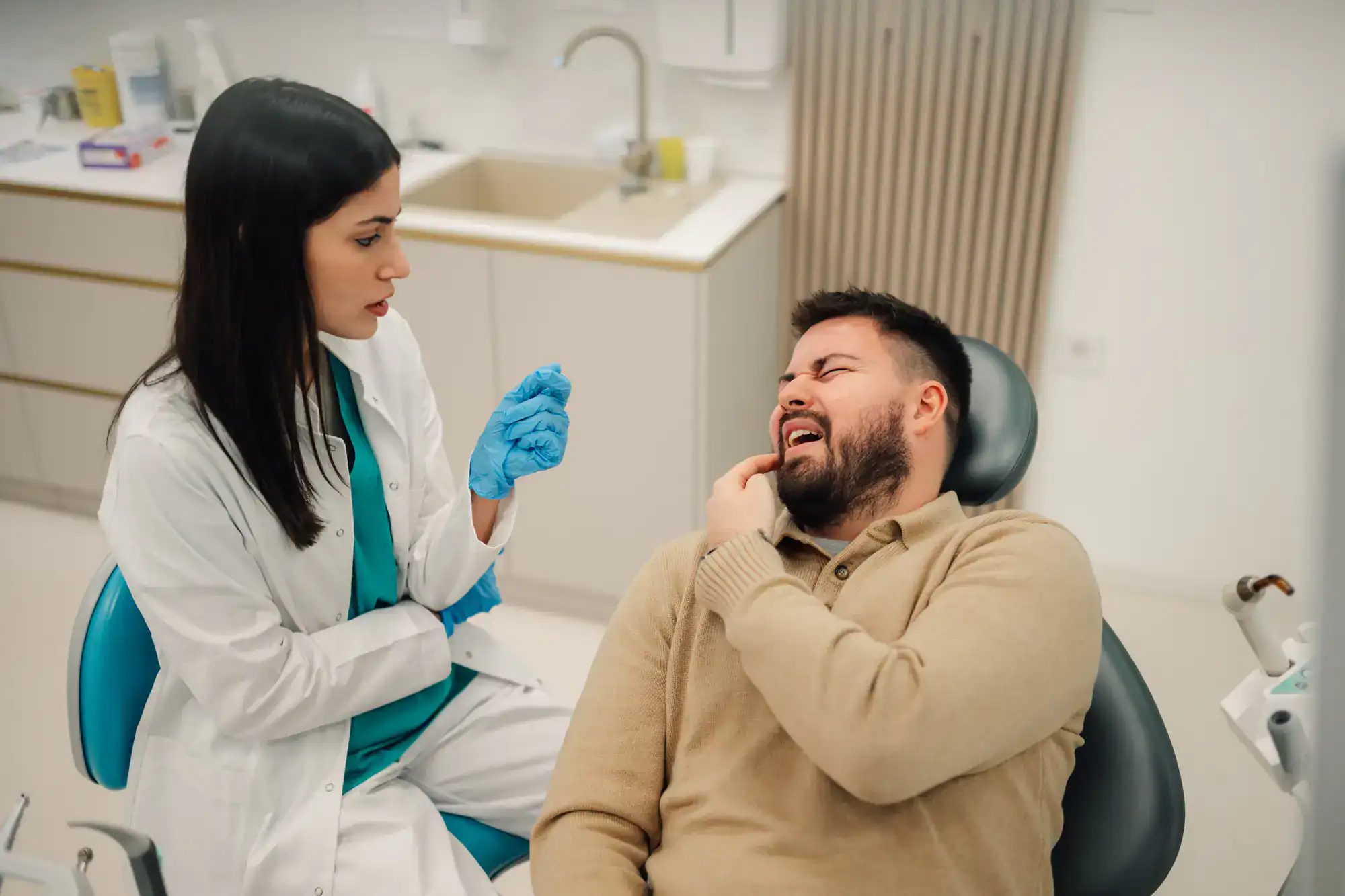
If dental anxiety is part of why you’ve been putting it off, that conversation happens upfront. Our practice is NYS-certified for sedation dentistry, which means patients who need to be fully at ease before they can sit in the chair have a real option not a vague reassurance, but a clinically administered solution that makes the appointment actually manageable. For a lot of Wynantskill residents, that certification is the thing that finally makes the call possible.
From there, care is ongoing. Cleanings, restorative work, cosmetic treatments, implants, Botox and Juvederm for facial aesthetics we handle it all in one place. Wynantskill families are already driving for most of the services that matter to them. Our practice makes that drive worth it every single time.
Ready to get started?
The dental needs of a Wynantskill household don’t fit into a single category. There’s the routine stuff teeth cleanings, dental checkups, fillings, and X-rays. There’s the restorative work that comes with time crowns, bridges, dental implants for missing teeth. There’s the cosmetic side that a lot of people in this community have the income and the interest to pursue teeth whitening, veneers, smile design. And then there’s the unexpected: a cracked tooth on a Sunday, a lost filling the week of an important meeting, a child’s dental injury on a Saturday afternoon.
We cover all of it. General dentistry and family dental care for every age. Cosmetic dentistry including whitening and veneers. Dental implants for patients who want a permanent, natural-feeling solution. Sedation dentistry for patients who need it. Emergency dental care with genuine after-hours availability that real patients have confirmed in real reviews not just a voicemail box. And facial aesthetics, including Botox and Juvederm, administered by a doctor who understands facial anatomy at a clinical level.
For Wynantskill residents a community where the median household income exceeds $105,000 and the nearest city is still a 23-minute drive having one trusted practice that doesn’t require specialist referrals for most procedures isn’t a luxury. It’s just the smarter way to manage your family’s health.
Yes and it’s worth understanding what that actually means before you assume every dental office offering “gentle care” qualifies. In New York State, offering sedation dentistry requires a separate certification from the NYS Education Department, above and beyond a standard dental license. Not every practice has it. We hold that certification, which means our practice is authorized to administer conscious sedation not just nitrous oxide, but real sedation that allows anxious patients to complete treatment comfortably and often in fewer visits than they’d otherwise need.
For Wynantskill residents who’ve been putting off care for years because of fear or anxiety, this is the practical solution. Research from NYU College of Dentistry found that 72.6% of adults have some level of dental fear, and one in three avoids the dentist entirely because of it. If that’s you, sedation dentistry isn’t an indulgence it’s the thing that finally makes dental care accessible. The first step is just a conversation about what you’re dealing with and whether sedation is the right fit.
In practice, the terms are often used interchangeably, but what they signal is different. A general dentist focuses on the clinical side fillings, cleanings, X-rays, basic restorative work. A family dentist is set up to see patients across every age group, from young kids to older adults, and to be the consistent point of contact for an entire household’s dental health over time.
For families in Wynantskill where kids attend Wynantskill Union Free School District through eighth grade and parents are juggling full-time careers and commutes having one dental practice that handles everyone under one roof is genuinely useful. It means one set of records, one phone number, one doctor who knows your family’s history. We’re structured to function as that long-term family practice: routine cleanings and checkups for kids, comprehensive care for adults, and cosmetic or restorative options for patients who want to go beyond the basics.
Dental implants typically range from $3,000 to $6,000 per tooth depending on the complexity of the case, whether bone grafting is needed, and the materials used. That’s a real number, and it’s worth comparing honestly to the alternatives. A bridge can cost $2,500 to $5,000 and requires grinding down adjacent healthy teeth. Dentures are less expensive upfront but come with ongoing maintenance, fit issues over time, and a noticeably different feel than natural teeth.
Implants are the only option that replaces the root of the tooth, not just the visible crown. That matters for bone preservation, bite function, and long-term oral health. For Wynantskill residents with above-average household incomes who are investing in their homes and their quality of life, implants are typically the most cost-effective long-term solution not the cheapest upfront, but the one that lasts decades without the recurring costs and compromises of other options. We handle implant placement and restoration in-house, which means you’re not being referred across town for part of the process.
Yes and this is one of the areas where we stand apart from most practices in the region. Dental emergencies don’t follow a Monday-through-Friday schedule. A cracked tooth on a Saturday, a lost filling the night before something important, a child’s dental injury on a holiday weekend these situations are genuinely stressful, and most dental offices respond with a voicemail and instructions to call back during business hours.
Real patient reviews specifically describe me meeting patients on weekends, answering calls outside normal hours, and providing same-day emergency care when no other office in Wynantskill or the surrounding area would. For Wynantskill residents a community with limited local dental options and one general practitioner on Main Avenue that kind of availability isn’t a minor convenience. It’s the difference between getting help when you need it and spending a weekend in pain waiting for Monday. If you’re dealing with a dental emergency, call our practice directly.
Yes, and dentists are often better positioned to administer Botox and Juvederm than people expect. Dentists spend years training in facial anatomy the muscles, nerves, and structures of the face at a level of clinical depth that most aestheticians and even some medical providers don’t reach. That expertise translates directly to facial injectable treatments, both therapeutic and cosmetic.
We offer Botox and Juvederm as part of our practice’s services. On the therapeutic side, Botox is used to treat TMJ-related jaw tension and chronic teeth grinding conditions that a significant number of patients deal with but often don’t connect to their dental care. On the cosmetic side, it’s a natural complement to smile design and cosmetic dentistry work. No dental practice physically located in Wynantskill offers this. For residents who would otherwise need to schedule a separate appointment at a med spa in Albany or Troy, having it available through your dentist in a single visit is a real time saver.
No. And that concern is more common than most people admit. Research consistently shows that shame and fear of judgment are among the top reasons people delay dental care often far more than cost. The longer the gap, the harder it becomes to make the call, because the anxiety about what the dentist will say compounds on top of the original anxiety about going at all.
Our practice is explicitly built for patients who haven’t been in for a while whether that’s two years or fifteen. The approach is straightforward: here’s what’s going on, here are your options, here’s what it costs, and here’s what we can do first if you want to start small. There’s no lecture about what you should have done differently. For Wynantskill residents who’ve been quietly rehearsing that first phone call, this is the practice where it’s actually safe to make it. The first appointment is just an exam and a conversation nothing happens that you don’t agree to first.
Other Services we provide in Wynantskill