


Hear from Our Customers
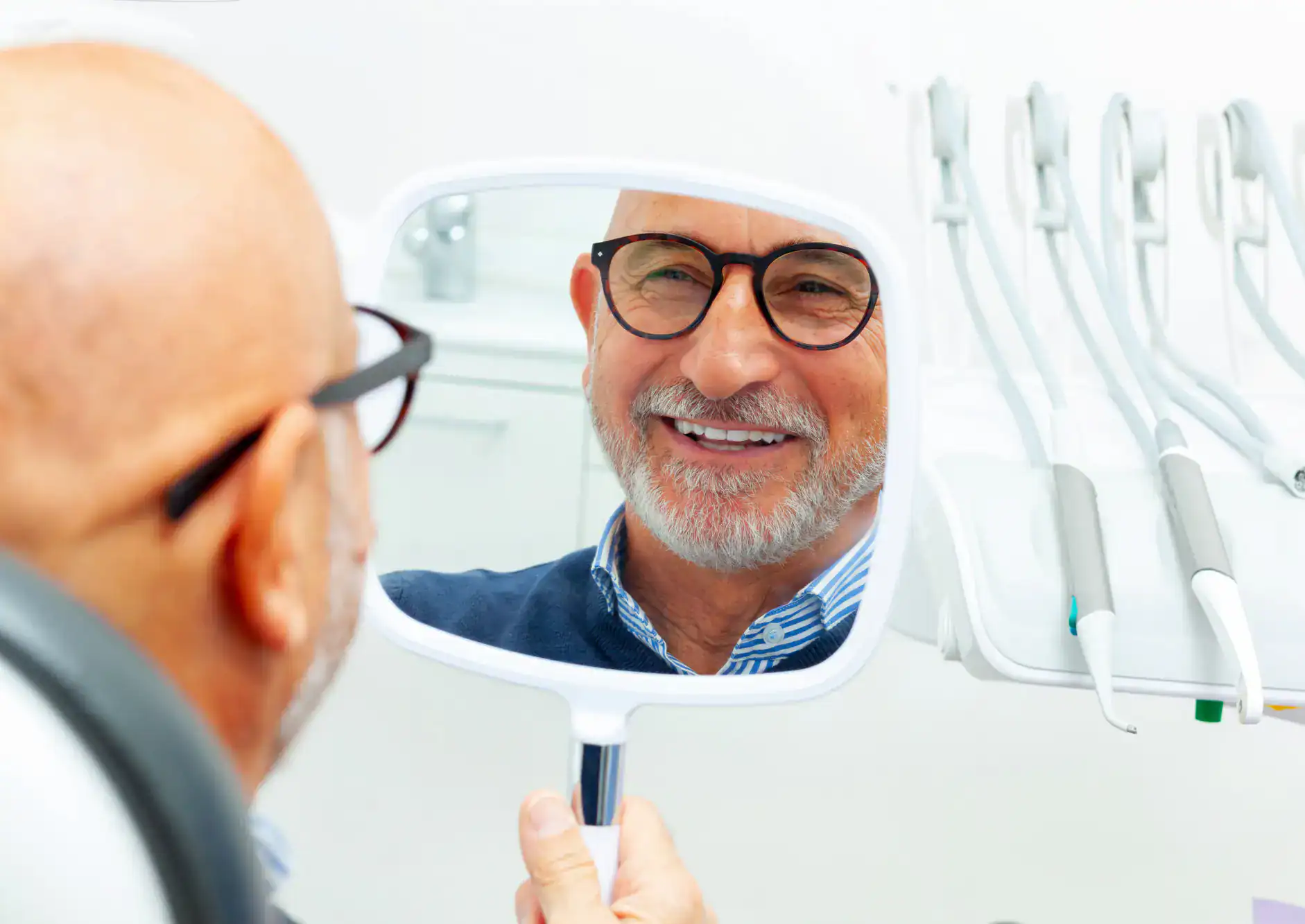
The most immediate thing people notice after getting a dental implant isn’t cosmetic it’s functional. You eat what you want. You stop favoring one side. You stop thinking about it every time you smile in a conversation or sit down at a restaurant. For Hyde Park residents who live near the Culinary Institute and take food seriously, that matters more than it might somewhere else.
What most people don’t realize is that a missing tooth isn’t a static problem. Every month that gap stays empty, the jawbone underneath it is shrinking. That process starts within the first few weeks of tooth loss and is most aggressive in the first 18 months. Once that bone is gone, replacing it requires grafting more time, more cost, more complexity. Getting a dental implant in Hyde Park, NY sooner isn’t just convenient. It protects the structure you still have.
The other shift people describe is harder to quantify but just as real: confidence. Talking without thinking about it. Laughing without covering your mouth. For a lot of Hyde Park patients who’ve been living with a gap for a year or two, that part sneaks up on them in a good way.
Dr. Scott Kupetz has been practicing in the Hudson Valley since 1988 long before dental service organizations started buying up practices and rotating staff in and out. He graduated from Fairleigh Dickinson College of Dental Medicine and built a single-doctor practice in Wappinger Falls that has served Dutchess County patients, including families from Hyde Park, for over three decades.
That matters for implant care specifically. You’re not seeing a different provider at each visit. You’re not being handed off to a specialist for placement and then sent back to someone else for the crown. We handle the full process consultation, implant post, abutment, final crown under one roof. Hyde Park patients traveling south on Route 9 aren’t making a trip to a stranger. They’re coming to a doctor who’s been in this county longer than most of his patients have lived here.
If dental anxiety has kept you from dealing with this, that’s something we hear often. Sedation is available, and our practice is built around making sure you’re comfortable before anything else happens.

It starts with a consultation. We take a close look at your jaw, your bone density, and your overall oral health to figure out whether you’re a straightforward implant candidate or whether something like a bone graft needs to happen first. A lot of Hyde Park patients who assume they don’t qualify because of bone loss, gum history, or a previous failed restoration find out they actually can move forward with the right preparation.
Once you’re cleared, the titanium post is placed directly into the jawbone. This is the part that sounds intimidating but, with sedation available, most patients describe as far less eventful than they expected. The post then needs time to fuse with the bone a process called osseointegration which typically takes a few months. During that period, you’re not walking around with nothing. A temporary restoration keeps things functional.
After the implant has fully integrated, the abutment and final dental implant crown are placed. That crown is custom-matched to your surrounding teeth. The whole process, from first consultation to final crown, usually runs between three and six months depending on your starting point. And because it all happens with us not a rotating cast of specialists you always know exactly where you are in the process and who to call.
Ready to get started?
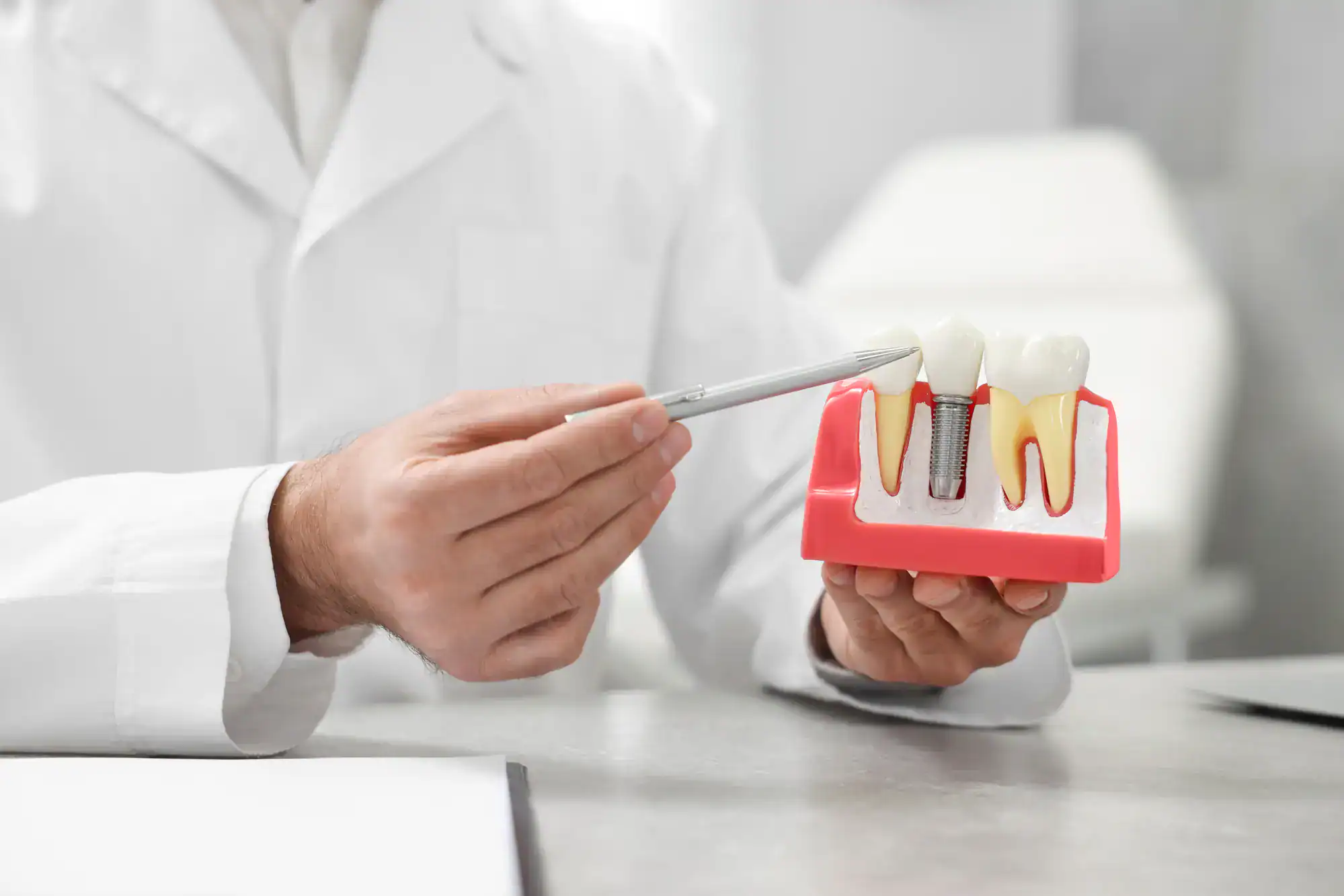
Whether you’re missing a front tooth, a molar, or several teeth across your mouth, the treatment approach changes but the core advantage stays the same: a titanium post tooth replacement that functions like a natural root, preserves your jawbone, and doesn’t require grinding down the healthy teeth next to it.
That last point is worth slowing down on. A traditional fixed bridge which many Hyde Park patients consider as the lower-cost alternative requires permanently altering the two teeth on either side of the gap to support the bridge. Those are healthy teeth that didn’t need to be touched. A single tooth implant in Hyde Park, NY leaves them completely intact. It also prevents the bone loss that a bridge does nothing to stop, and it typically outlasts a bridge by decades when properly maintained.
For patients who’ve been in dentures for years and are tired of the fit issues, the slipping, the dietary restrictions implant-supported options exist for that too. Snap-on dentures and implant-anchored bridges give you the stability that traditional dentures can’t. Hyde Park residents in their 40s, 50s, and 60s who received dentures years ago and assumed that was the end of the conversation often find out there’s more on the table than they realized. We offer financing options for patients managing the out-of-pocket cost, and our team will walk you through what to expect before you commit to anything.
A single dental implant in the Hyde Park, NY area typically runs between $3,000 and $5,000 for the full treatment post, abutment, and crown combined. That range shifts depending on whether you need preparatory work like a bone graft or tooth extraction before placement, which adds cost and time to the process.
It’s a significant upfront number, and it’s worth understanding why. A dental implant is a permanent tooth replacement. The titanium post, when properly placed and maintained, can last a lifetime. The crown on top typically lasts 10 to 15 years before it may need replacing. Compare that to a fixed bridge, which usually fails within 5 to 10 years and requires replacing the entire structure plus, it does nothing to prevent the bone loss happening underneath. Over a 20-year window, implants are frequently the more cost-effective option. We offer financing for patients who need to spread the cost, and our team can walk you through what your specific case is likely to involve before you make any decisions.
Bone loss doesn’t automatically disqualify you it just means there’s an extra step to evaluate. Many Hyde Park patients who come in assuming they’ve waited too long find out they’re still candidates once we review their bone density and jaw structure. The key question is how much bone remains and where the loss has occurred.
When there isn’t enough bone to support a post directly, a bone graft can rebuild the foundation before implant placement. This adds a healing period to the timeline usually a few months but it opens the door for patients who would otherwise have no good options beyond dentures. This is particularly relevant for Hyde Park residents who lost a tooth a year or more ago and have been putting off the decision. The longer the gap has been there, the more bone has likely changed but that doesn’t mean it’s too late. The best way to know for certain is a consultation where we can actually look at your jaw, not a general estimate based on how long ago the tooth was lost.
The most important difference isn’t the cost it’s what happens to the teeth around the gap and to the jawbone underneath it. A fixed bridge works by crowning the two teeth on either side of the missing tooth and suspending a false tooth between them. To do that, those adjacent teeth have to be filed down permanently. They’re healthy teeth that didn’t need any work, and they’re being permanently altered to support the bridge.
A single tooth implant in Hyde Park, NY doesn’t touch those neighboring teeth at all. The titanium post goes directly into the jawbone where the missing tooth’s root used to be, and the crown sits on top of that post independently. Beyond preserving your healthy teeth, the implant also stimulates the jawbone the way a natural root would which is what prevents the bone from shrinking over time. A bridge sits on top of the gum and does nothing to stop that process. For most patients who are good candidates, the implant is the better long-term call, and the bridge’s lower upfront cost tends to get offset by the cost of replacing it within a decade.
Dental anxiety is one of the most common reasons people in Hyde Park delay implant treatment sometimes for years. It’s not a character flaw and it’s not unusual. Many adults who avoided the dentist through their 30s and 40s are now dealing with more significant tooth loss partly because anxiety kept them from addressing smaller issues earlier. That cycle is worth breaking.
We offer sedation dentistry specifically for patients who need it. Sedation doesn’t mean you’re unconscious it means you’re deeply relaxed, often to the point where patients have little to no memory of the procedure afterward. For implant placement, which involves a local anesthetic regardless, sedation takes the edge off in a way that makes the experience genuinely manageable for people who would otherwise never make the appointment. Our practice is built around a no-judgment approach, and that’s not a marketing line it’s reflected in the reviews from patients who came in after years of avoidance and left wondering why they waited so long. If anxiety has been the barrier, it doesn’t have to stay that way.
For a straightforward case good bone density, no extractions needed, no grafting the full process from consultation to final dental implant crown typically takes between three and six months. The longest part of that timeline isn’t the procedures themselves. It’s the healing period after the titanium post is placed, when the implant is fusing with the jawbone. That process, called osseointegration, can’t be rushed without compromising the stability of the implant.
If you need a bone graft before placement, add roughly three to four months to that timeline for the graft to heal before the post can go in. It’s a longer road, but it’s still a finite one and at the end of it, you have a permanent tooth replacement that functions like a natural tooth. During the waiting periods, you won’t be left without anything in the gap. A temporary restoration keeps things functional and presentable while the implant integrates. We’ll give you a realistic timeline at your consultation based on your specific starting point, not a generic estimate.
Most traditional dental insurance plans in New York treat dental implants as a cosmetic or elective procedure and cover little to nothing. There are exceptions some plans cover the crown portion, some cover a percentage of the surgical placement but full implant coverage is uncommon. The honest answer is that most Hyde Park patients pay for a significant portion of their implant treatment out of pocket.
What that means practically is that understanding the full cost upfront matters a lot. Our team will go through your insurance benefits with you before treatment begins so you know exactly what your plan covers and what you’ll be responsible for. For patients managing the remaining balance, we offer financing options that allow you to spread the cost over time rather than paying the full amount at once. It’s also worth noting that if you have remaining dental benefits before your plan year resets typically at the end of December scheduling your consultation now can help you put those benefits to work on any covered portions of the treatment before they expire.
Other Services we provide in Hyde Park