


Hear from Our Customers
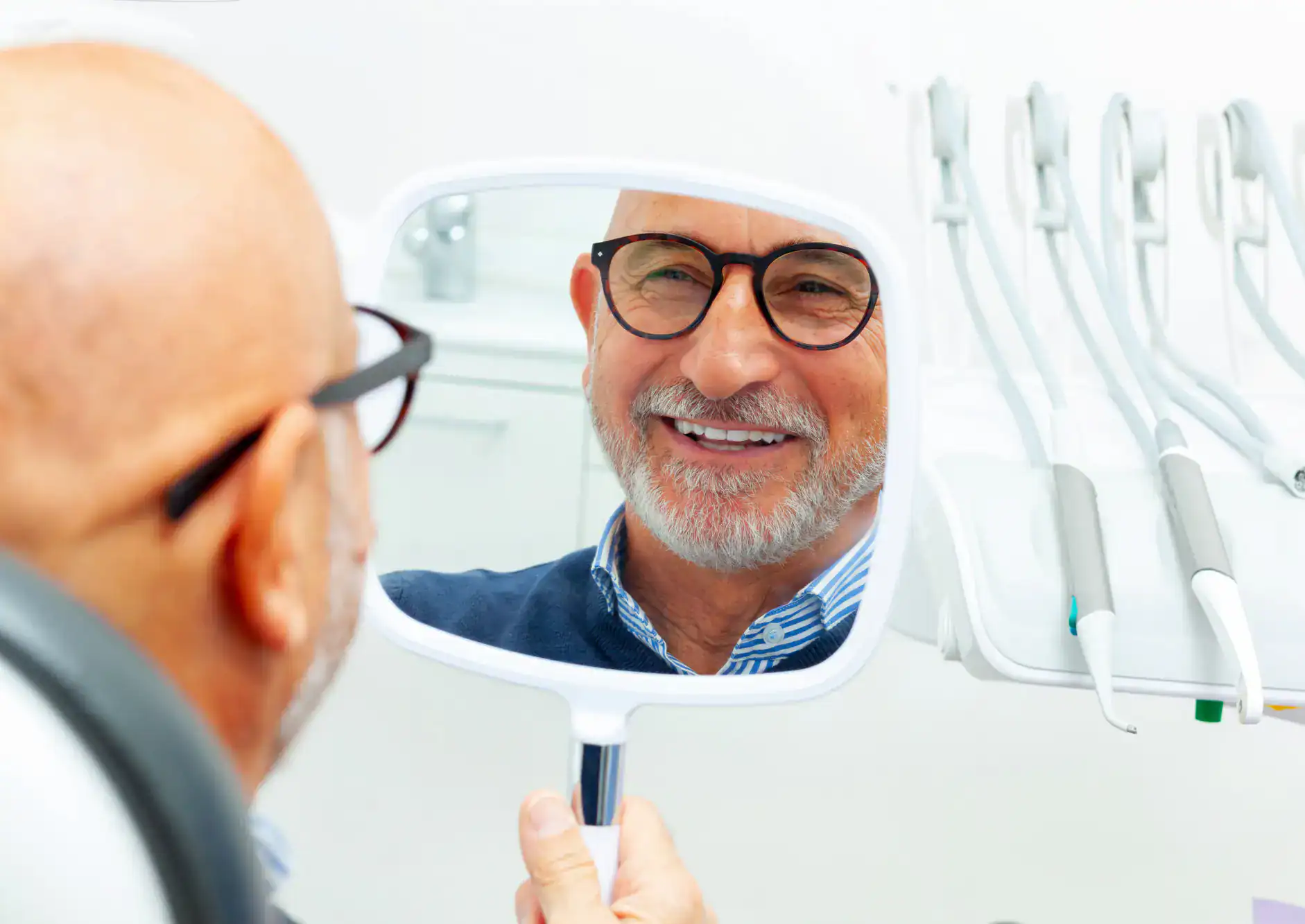
A missing tooth feels like a cosmetic problem at first. It’s not. The moment a tooth is gone, the jawbone underneath it starts to shrink and the most significant deterioration happens within the first 18 months. By the time most people get around to doing something about it, the bone has already changed. That makes treatment more involved, more expensive, and more complicated than it needed to be.
For Highland residents who are already active walking the Walkway Over the Hudson, hiking Illinois Mountain, keeping up with everything that comes with life on the Ulster County side of the river a deteriorating jaw isn’t abstract. It affects how you eat, how you feel, and eventually how you look. Bone loss from a missing tooth doesn’t stay in your mouth. Over time, it changes the shape of your face in ways that no amount of exercise or wellness habits can reverse.
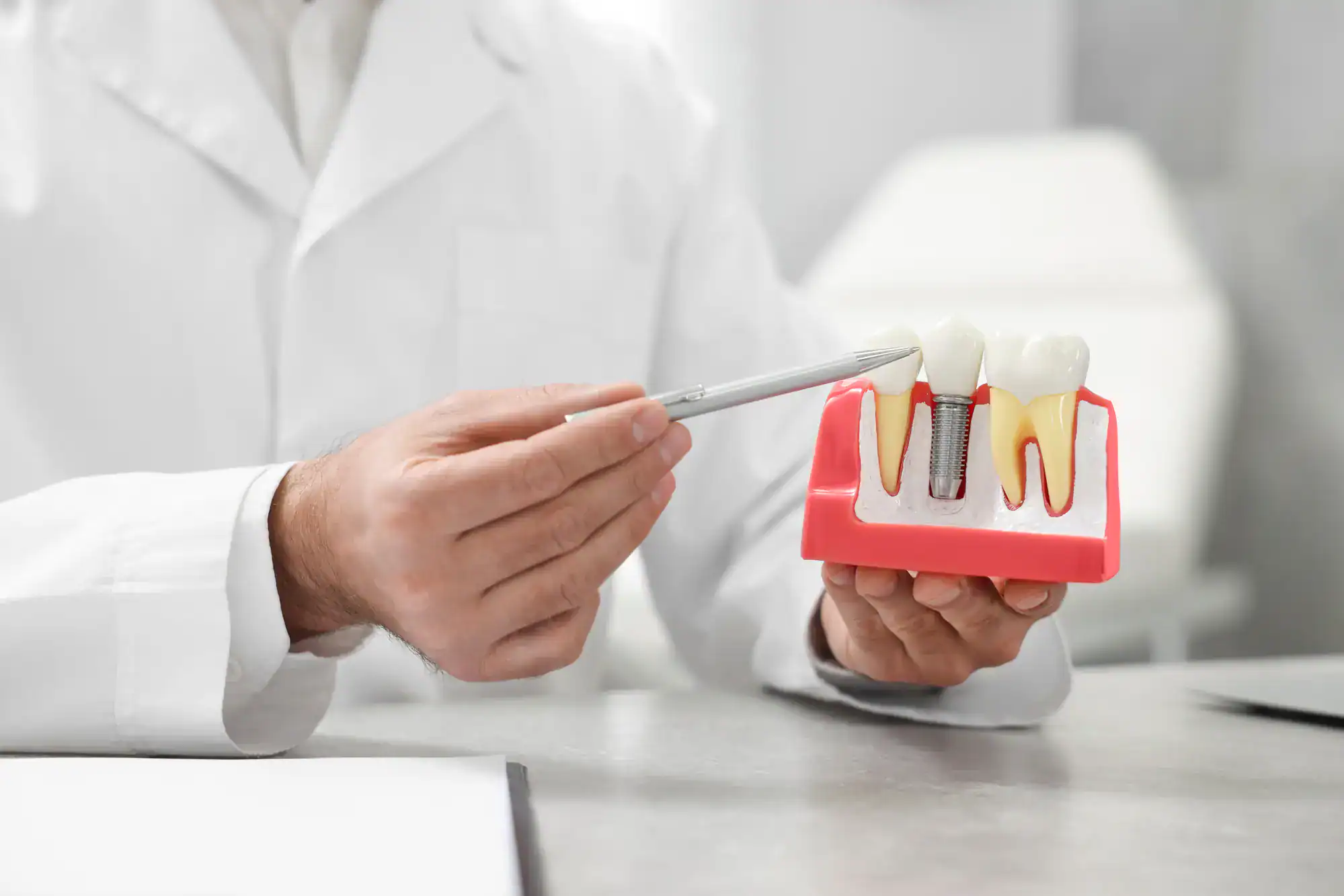
The good news is that a dental implant stops that process. The titanium post goes where the tooth root used to be, stimulates the bone the way a natural root does, and keeps your jaw structurally intact. It’s not just tooth replacement it’s preservation. And for anyone who’s been putting it off, the honest truth is: the sooner you act, the simpler and more straightforward the whole process becomes.
Dr. Scott Kupetz has been practicing in the Hudson Valley since 1988, the year he graduated from Fairleigh Dickinson College of Dental Medicine. That’s over 35 years of continuous, single-provider care in this region not a chain, not a rotating staff, not a corporate group that changes faces every few months. When Highland residents come in for a dental implant consultation, they meet Dr. Kupetz. When they come back for their procedure, it’s still Dr. Kupetz.
That matters more than most people realize, especially for a procedure like implant placement. You’re not just picking an office you’re picking the person who will be doing the work. Highland residents who already cross the Mid-Hudson Bridge for Poughkeepsie-area services will find the drive to Wappinger Falls straightforward. What they’ll also find is a doctor who has spent decades building the kind of practice where patients come back because they trust the person, not just the address.

The first step is a consultation. We review your dental and medical history, take the necessary imaging, and give you a clear picture of what your specific situation looks like including whether bone grafting might be needed before implant placement. If you’ve been told in the past that you’re not a candidate due to bone loss, that conversation is worth having again. Techniques and options have changed significantly, and many patients who assumed they didn’t qualify actually do.
Once you’re cleared for placement, the titanium post is surgically positioned into the jawbone where the missing tooth root used to be. There’s a healing period after that typically a few months during which the post integrates with the bone in a process called osseointegration. For patients who are anxious about the surgical side of things, sedation is available. You don’t have to feel every moment of it. You can be comfortable and relaxed through the whole thing, and wake up with the hard part already behind you.
After healing, an abutment is placed on the post, and then the final implant crown is fitted on top. The entire process from consultation through final restoration happens at one office, with one doctor. For Highland and Town of Lloyd residents who are already managing a commute across the river, not having to add specialist appointments in Kingston or Poughkeepsie to the mix is a real and practical advantage.
Ready to get started?
Whether you’re missing one molar or dealing with multiple missing teeth across the arch, the scope of care we offer covers the full range. Single tooth implants in Highland, NY are the most common scenario one titanium post, one crown, a result that looks and functions like a natural tooth. We also handle multiple tooth implants, implant-supported dentures, and All-on-4 restorations for patients who need more comprehensive reconstruction.
A lot of Highland residents in the 40-to-60 age range are weighing the implant-versus-bridge question right now. The bridge feels like the simpler, more affordable option on the surface. But a traditional fixed bridge requires permanently grinding down the healthy teeth on either side of the gap just to anchor the restoration. Those teeth are altered forever and the bridge itself typically needs to be replaced within five to ten years, often because decay develops at the root surface where patients can’t floss. An implant doesn’t touch the neighboring teeth. It stands on its own and, with proper care, can last decades.
For patients who have been avoiding dental care for years whether because of cost, fear, or just life getting in the way the no-judgment approach here matters. Ulster County has a real population of residents who’ve deferred care longer than they meant to. We offer sedation dentistry to make the process accessible for those patients. Financing options are also available for anyone who needs to spread the cost over time rather than paying everything upfront.
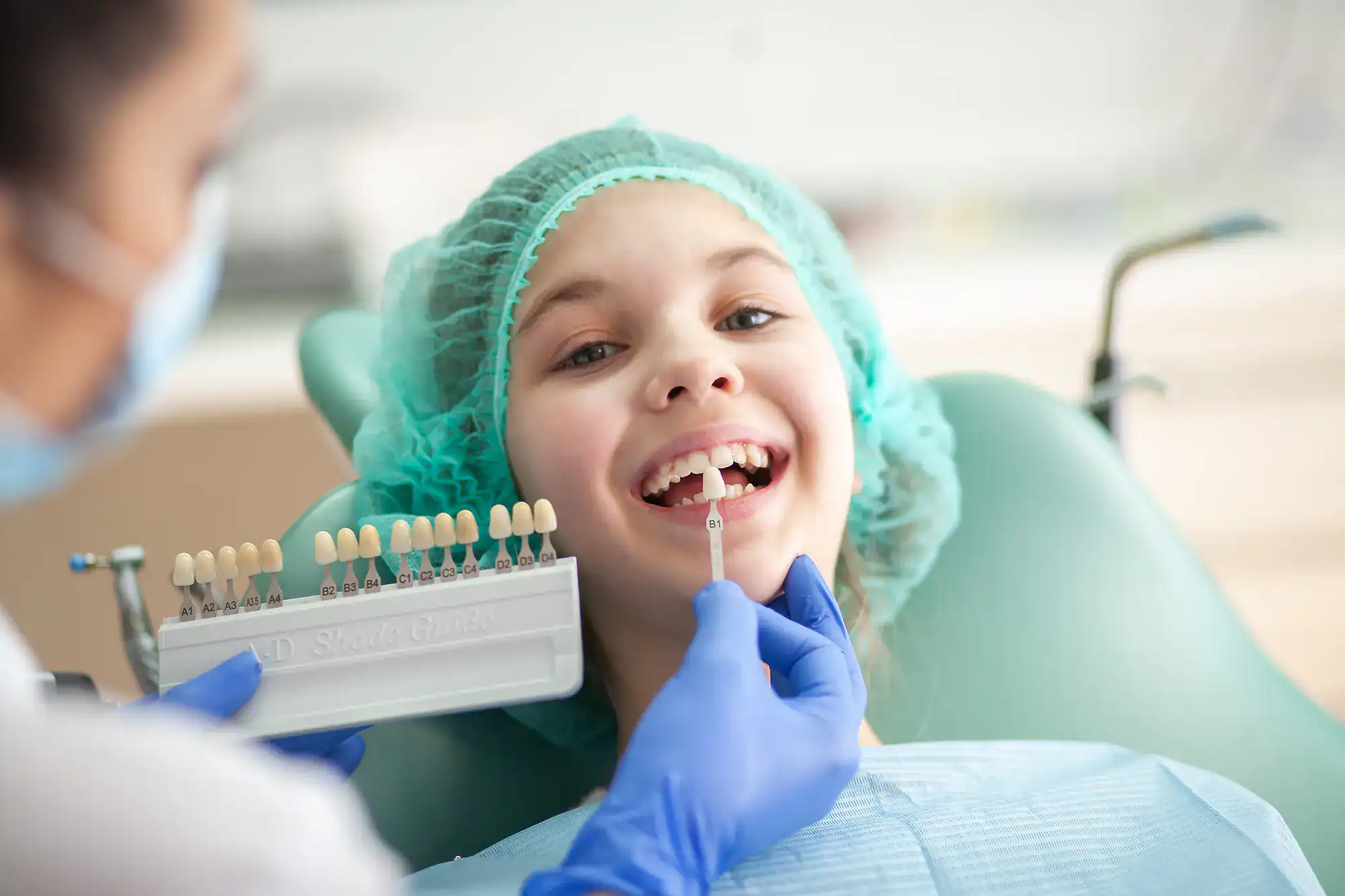
The cost of a single dental implant in Highland, NY typically ranges from $3,000 to $5,000, depending on your specific situation whether bone grafting is needed, the complexity of the placement, and the type of crown used for the final restoration. That number can feel significant upfront, but it helps to look at it against the alternative. A bridge in the same price range will likely need to be replaced within a decade, and each replacement carries the risk of additional damage to the anchor teeth. An implant, by contrast, is a one-time investment that can last 20 to 30 years or longer with routine care.
We offer financing for patients who need to manage the cost over time rather than paying all at once. The goal is to make permanent teeth replacement in Highland, NY accessible without pressuring anyone into a decision they’re not ready for. If cost is a concern, the best first step is a consultation you’ll get a clear, specific number based on your actual case, not a ballpark that changes later.
Bone loss is one of the most common reasons people assume they’re not a candidate for dental implants and it’s also one of the most common misconceptions. If you’ve been missing a tooth for a year or more, some degree of bone loss has almost certainly occurred. That doesn’t automatically disqualify you. Bone grafting is a well-established procedure that rebuilds the lost volume and creates a stable foundation for implant placement. It adds time to the overall process, but it opens the door for patients who were previously told implants weren’t an option.
If a dentist told you years ago that your bone wasn’t sufficient, that assessment may no longer be accurate both because techniques have advanced and because your own situation may have stabilized. The right move is to get a current evaluation with imaging rather than relying on an old answer. Many Highland residents who come in expecting to hear “no” leave with a clear path forward.
The core difference comes down to what each option does to the rest of your mouth. A dental implant replaces the missing tooth root with a titanium post, then places a crown on top. The neighboring teeth are completely untouched. A traditional fixed bridge, on the other hand, requires permanently reshaping the two teeth on either side of the gap so they can serve as anchors. Those teeth are ground down irreversibly even if they were perfectly healthy before.
Beyond that structural difference, implants preserve the jawbone in a way bridges cannot. Because the titanium post functions like a tooth root, it stimulates the bone and prevents the gradual deterioration that leads to facial changes over time. A bridge sits on top of the gum line and does nothing to stop that process underneath. For Highland residents thinking about long-term oral health not just solving today’s problem the implant is the option that protects what you still have while replacing what you’ve lost.
Yes, we offer sedation dentistry for patients who are anxious about the implant process. This is one of the more commonly asked questions from patients crossing over from the Ulster County side, and it’s a fair one implant placement is a surgical procedure, and not everyone is comfortable sitting through that fully aware. Sedation options allow you to be deeply relaxed, or essentially asleep, through the procedure. You won’t feel the surgery happening, and for most patients, the experience is far less intense than they anticipated.
This is particularly relevant for patients who have been avoiding dental care for a long time. Fear is one of the main reasons people in Highland and the surrounding Town of Lloyd area delay getting a missing tooth addressed and that delay is exactly what accelerates bone loss and makes future treatment more complicated. Sedation removes the barrier. You come in, you’re comfortable, and you wake up with the hard part done.
For a straightforward single tooth implant, the full process from consultation to final crown typically takes between three and six months. The longest part isn’t the surgery itself it’s the healing period after the titanium post is placed, during which the post integrates with the jawbone. That process, called osseointegration, usually takes two to four months depending on the individual patient’s healing and bone density.
If bone grafting is needed before placement which is common for patients who’ve been missing a tooth for a year or more the timeline extends, sometimes by several additional months. It’s not ideal to hear, but it’s the honest answer. Trying to rush that process produces worse outcomes. The consultation is where you’ll get a realistic timeline based on your specific imaging and bone condition, not a generic estimate. For Highland residents planning around work schedules and cross-river commutes, having that clarity upfront makes the whole process easier to manage.
It’s a fair question, and the honest answer is that most Highland residents are already making this drive. The Mid-Hudson Bridge connects Highland directly to the Poughkeepsie area, and our Wappinger Falls office sits just south of there roughly 8 to 10 miles from the bridge’s eastern end. If you’re already crossing the river for work, for healthcare, or for errands in Dutchess County, this isn’t an extra trip. It’s a stop you’re already positioned to make.
The more important question is what you’re getting when you get there. Highland has local dental options, but what we offer is 35 years of uninterrupted, single-provider Hudson Valley experience with one doctor handling your case from consultation through final crown. For a procedure like dental implant placement, that continuity is not a small thing. You’re not being handed off to whoever is available. You see Dr. Kupetz at every appointment the same person who reviewed your imaging is the same person placing your implant and fitting your crown.
Other Services we provide in Highland