


Hear from Our Customers
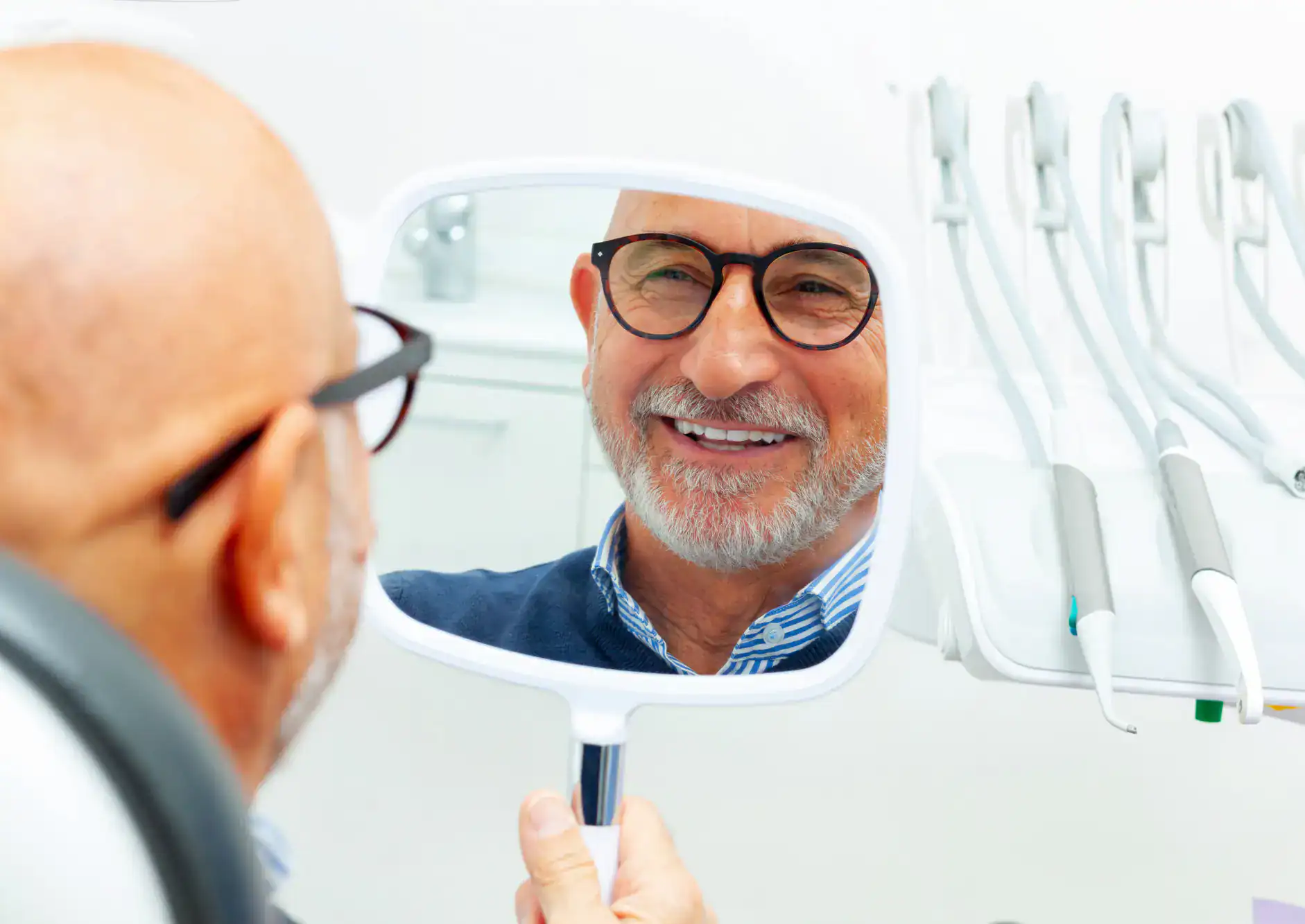
Most people don’t realize that a missing tooth isn’t just a cosmetic issue it’s a structural one. The moment a tooth is gone, the jawbone underneath it starts to shrink. That process is slow, but it’s constant, and it doesn’t stop. The longer you wait, the more bone you lose, and the harder and more expensive eventual treatment becomes.
For residents in Phoenicia and around the Catskills, that delay is often longer than it should be. When you’re living in a mountain community where getting to any specialist already means planning around Route 28 and mountain road conditions, it’s easy to keep putting it off. But that gap in your smile is quietly changing the shape of your jaw, shifting your surrounding teeth, and aging your face faster than it should.
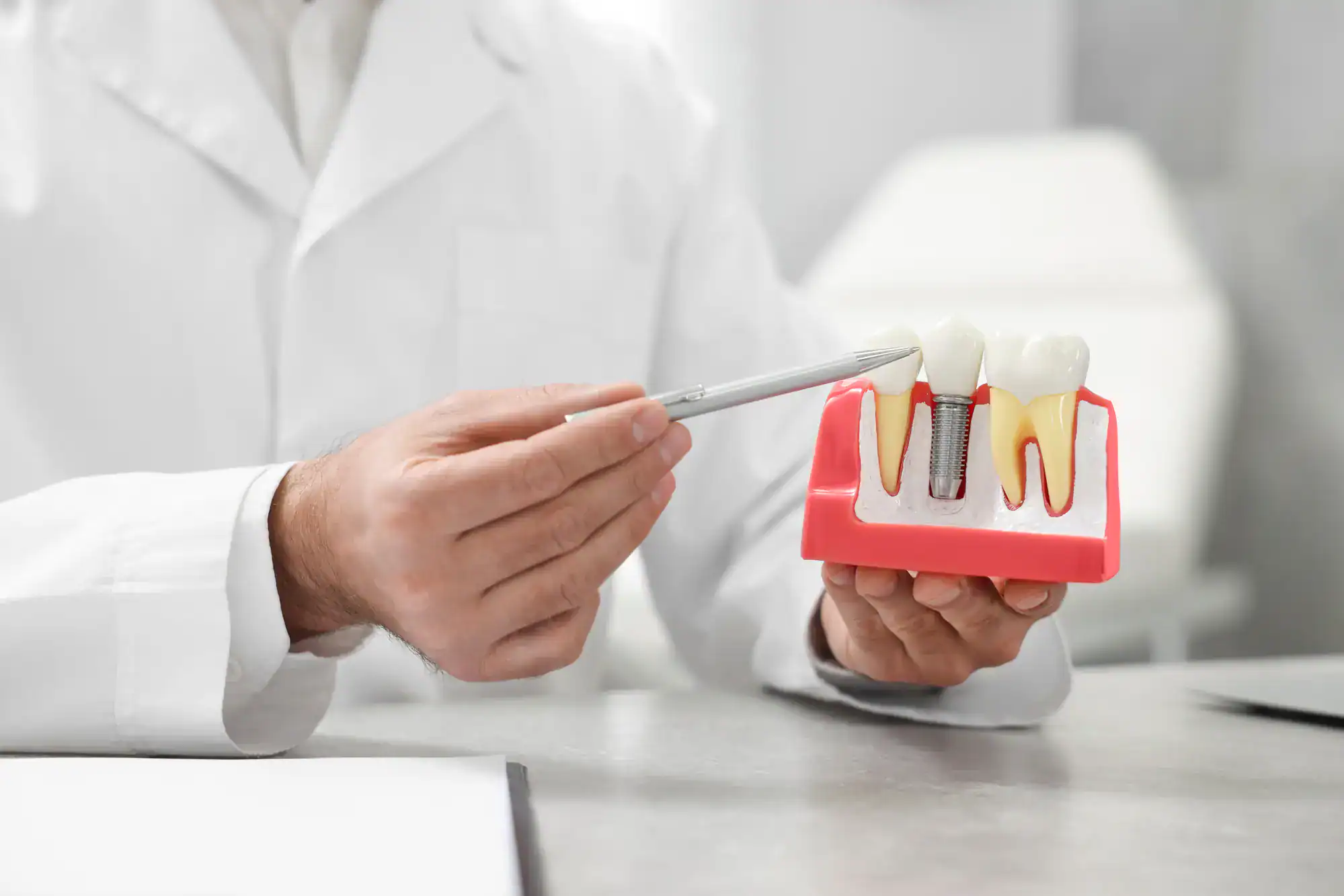
A dental implant in Phoenicia, NY replaces not just the visible tooth but the root beneath it keeping your jawbone stimulated and intact. That means your face holds its shape, your other teeth stay where they belong, and you’re not back in a dental chair in five years dealing with a failed bridge or a loose denture. It’s a permanent teeth replacement option that actually solves the problem, not just covers it.
Dr. Scott Kupetz has been practicing dentistry in the Hudson Valley since 1988 long before most dental chains existed, and long before Phoenicia became the destination it is today. He graduated from Fairleigh Dickinson College of Dental Medicine and has spent over three decades building a practice where patients aren’t passed around between rotating associates. You see him at your consultation. You see him at your procedure. You see him at your follow-up.
For Ulster County residents who’ve already been navigating limited local healthcare options the nearest hospital is HealthAlliance in Kingston, a full 30 miles east that kind of consistency matters. You’re not a chart number here. We serve patients from across the Catskills region, including communities along Route 28 from Shandaken to Boiceville, and we handle the full implant process in one location, without referrals to outside specialists.

The process starts with a consultation where Dr. Kupetz takes a close look at your bone density, your gum health, and the overall picture of what’s going on in your mouth. For patients who’ve been living with a missing tooth for a while which is common in rural areas like Phoenicia where access to dental care has historically meant a long drive there may be some bone loss to address first. If that’s the case, a bone graft can be done to rebuild the foundation before the implant is placed. It’s an extra step, but it’s also what separates a procedure that lasts a lifetime from one that fails in a few years.
Once the foundation is solid, a small titanium post is placed into the jawbone. That post is what makes a dental implant different from every other tooth replacement option it actually integrates with your bone, functioning the way a natural tooth root does. Over the next few months, the bone fuses around it. When it’s ready, a custom crown is attached on top, matched to your surrounding teeth.
The entire process from that first consultation to the final dental implant crown happens here, with Dr. Kupetz. We don’t send you to a specialist in Kingston or Poughkeepsie. We don’t coordinate between multiple offices. If you’re driving in from the Phoenicia area, you’re making that drive to one place, not three.
Ready to get started?
Whether you’re missing one molar or several teeth, we build the approach around what your mouth actually needs not a one-size-fits-all package. A single tooth implant in Phoenicia, NY replaces an individual tooth without touching the healthy teeth on either side. That’s a meaningful difference from a bridge, which requires permanently grinding down adjacent teeth to anchor the restoration. For patients in the Catskills who’ve spent years managing limited dental access, protecting every healthy tooth you still have is worth thinking about seriously.
For patients missing multiple teeth or dealing with failing dentures, implant-supported options including full-arch restorations give you something fixed, stable, and permanent. No adhesives, no slipping, no taking them out at night. And for patients who’ve avoided the dentist for years because of fear or anxiety, we offer sedation dentistry to make the entire experience manageable. That’s not a minor detail for a community where dental avoidance has been quietly compounding for a long time.
If you’ve been told in the past that you’re not a candidate because of bone loss or how long it’s been, it’s worth asking again. Bone grafting and current implant techniques mean more people qualify than most assume. A molar implant, a titanium post tooth replacement, or a full permanent teeth replacement the right answer depends on your specific situation, and that conversation starts with a consultation.
The honest answer is that it varies, and anyone who gives you a single number without knowing your situation is guessing. For a straightforward single tooth implant, the process typically runs between three and six months from placement to final crown. That timeline accounts for the healing period after the titanium post is placed the bone needs time to fuse around it before the crown goes on, and that integration is what makes the implant stable for the long term.
If bone grafting is needed first which is common for patients who’ve had a missing tooth for a year or more, as bone loss begins almost immediately after extraction the timeline extends. Grafting adds a few months to allow the new bone to mature before implant placement. For Phoenicia-area patients who’ve been managing a gap for several years, this is worth knowing upfront. It doesn’t disqualify you. It just means the process takes a little longer, and the result is still a permanent one.
For most patients, yes and the reason comes down to what happens to the teeth and bone around the gap. A bridge works by anchoring to the teeth on either side of the missing space, which means those adjacent teeth have to be permanently ground down to support it. Those are healthy teeth being altered to compensate for a missing one. That trade-off might be acceptable in some situations, but it’s worth understanding clearly before you commit.
A dental implant doesn’t touch the surrounding teeth. It replaces the missing root with a titanium post that integrates with your jawbone, then supports a crown on top. The bone stays stimulated, the neighboring teeth stay intact, and the restoration doesn’t depend on other teeth holding it in place. Bridges also have a finite lifespan most last between five and fifteen years before they need to be replaced. An implant, when properly placed and maintained, can last a lifetime. For patients in Phoenicia, NY who are already navigating limited local dental access, the idea of not having to redo this procedure in a decade is a real practical consideration.
This is one of the most common reasons people assume they’re not a candidate and it’s also one of the most common misconceptions. Bone loss after tooth extraction is normal and expected. It begins within the first few months and continues over time, which is why patients who’ve had a missing tooth for several years often present with a thinner or shorter jawbone at the implant site. That doesn’t automatically close the door on implants.
Bone grafting is a well-established procedure that rebuilds the bone in the area where the implant will be placed. It adds time to the overall process, but it creates the foundation the implant needs to integrate properly and hold long-term. For patients in the Catskills region who’ve been putting off treatment sometimes because the drive felt like too much, or because previous providers told them it wasn’t possible it’s worth getting a current evaluation. What was true five years ago may not reflect what’s possible now. The consultation is where that question actually gets answered.
A single dental implant typically runs between $3,000 and $5,000 depending on whether bone grafting or other preparatory work is needed. That number can feel significant upfront, but it helps to compare it against the alternatives over time. A bridge needs to be replaced every five to fifteen years, and each replacement carries its own cost. Dentures require ongoing adjustments, relining, and eventual replacement plus the continued bone loss that happens underneath them, which can create more complex and expensive problems down the road.
As for insurance, coverage varies widely. Some plans include partial coverage for implants; others classify them as cosmetic and exclude them entirely. Medicare generally does not cover dental implants, which is relevant for a significant portion of Phoenicia’s permanent resident population. We offer financing options to spread the cost, and the consultation is the right place to get a clear picture of what your specific insurance covers and what out-of-pocket costs look like for your situation. You’ll walk away from that conversation with real numbers, not estimates.
Yes, we offer sedation dentistry for implant procedures. It’s not just for patients with severe dental phobia it’s also a practical option for anyone who wants to be more comfortable during a longer procedure, or for patients who’ve been avoiding dental care for years and are finally ready to address something significant.
In a community like Phoenicia, where access to dental care has historically required planning and travel, dental avoidance is genuinely common. Some patients haven’t been to a dentist in a decade or more. Sedation doesn’t just make the procedure easier it makes it possible for people who would otherwise keep postponing. You’re awake and responsive, but relaxed. Most patients describe the experience as going by much faster than they expected. If anxiety has been part of what’s kept you from making the call, knowing that sedation is on the table is worth factoring into your decision.
Dental emergencies don’t follow a schedule, and in a mountain hamlet like Phoenicia where tubing on the Esopus Creek, skiing at Belleayre, and hiking in the Catskill Forest Preserve are part of everyday life tooth loss from an accident is a real and recurring situation. The sooner you’re seen after a dental injury, the more options are available to you. If the tooth is knocked out completely, time matters in the first hour. If it’s fractured or partially displaced, prompt evaluation still affects what treatment is possible.
Dr. Kupetz has a documented history of seeing patients after hours and on Sundays for emergencies, because a dental crisis on a Friday evening or a winter weekend doesn’t wait for Monday morning. For Phoenicia residents who are already 30 to 45 minutes from any dental provider, knowing that same-day and after-hours appointments are genuinely available not just listed on a website is the difference between getting help and waiting in pain. If you’ve had an injury and need to be seen, call the practice directly and explain the situation.
Other Services we provide in Phoenicia