

Hear from Our Customers
A missing tooth isn’t just a cosmetic issue. Every month it stays empty, the jawbone underneath quietly loses density and that process doesn’t pause. For residents in Washington, NY, where the median age skews closer to 57 than the state average, this isn’t a distant concern. It’s something that may already be happening, especially if that tooth has been gone for a year or more.
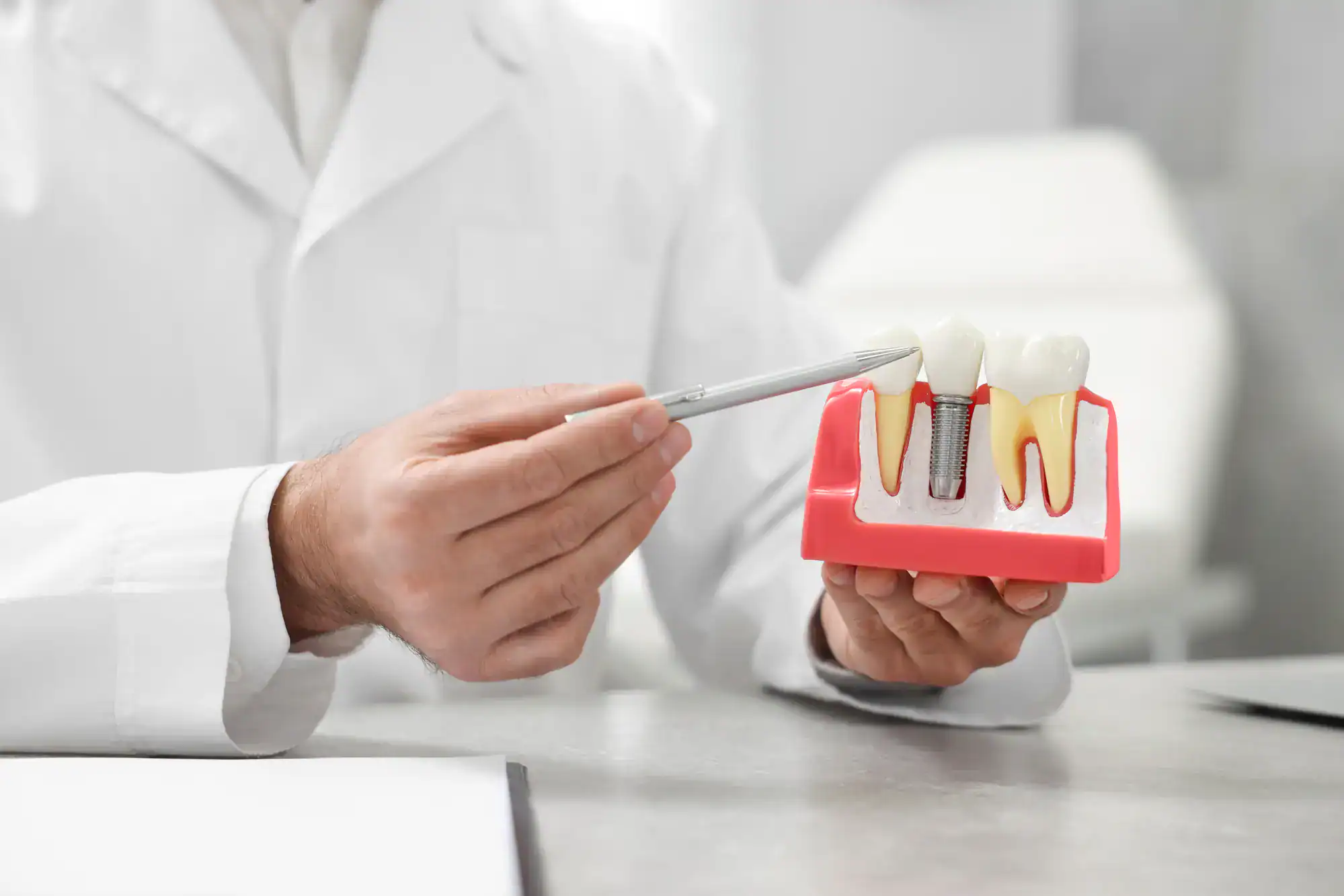
The good news is that dental implants stop that process entirely. A titanium post tooth replacement acts like a natural tooth root it integrates with the bone, keeps it stimulated, and holds a crown that looks and functions like the real thing. You’re not patching the problem. You’re solving it permanently.
Washington is horse country and outdoor country. Falls happen. Farm work happens. Active lives at any age carry real risk of traumatic tooth loss not just the kind that comes from decay. Whether your missing tooth is the result of an accident on a rural property near Millbrook or a bridge that finally gave out after 15 years, the outcome of dental implant treatment is the same: a stable, permanent replacement that doesn’t ask anything of your neighboring teeth and doesn’t need to be replaced on a schedule.
Dr. Scott Kupetz graduated from Fairleigh Dickinson College of Dental Medicine in 1988 and has been practicing in Dutchess County ever since. He wasn’t recruited here recently. He built his practice here, and he’s been serving Washington and the surrounding communities for his entire career.
Our Wappinger Falls office is about 30 to 35 minutes from Washington via Route 44 the same road you already use for county errands and Poughkeepsie trips. It’s not a long drive, and it’s a familiar one. What you get at the end of it is a single-doctor practice where you always know who your dentist is. Not whoever’s on the schedule that day. Dr. Kupetz.
We handle the full implant process consultation, placement, and the final dental implant crown without shipping you off to a specialist. For patients who’ve been avoiding the dentist for years, we offer sedation options. No pressure, no rush, no judgment.

It starts with a consultation. Dr. Kupetz takes a close look at the area where the tooth is missing, evaluates your bone density, and talks through your options honestly. If there’s been significant bone loss which is common when a tooth has been missing for a while bone grafting may be recommended first to create a stable foundation. This step isn’t a setback; it’s what makes the implant last.
Once the site is ready, a small titanium post is placed into the jawbone. This is the part most patients are most anxious about, and it’s also where sedation dentistry makes the biggest difference. Most patients are genuinely surprised by how manageable the procedure is. After placement, the implant needs time to integrate with the bone typically a few months before the final dental implant crown is attached.
That crown is custom-matched to your surrounding teeth. When it’s done, it looks like a tooth, bites like a tooth, and cleans like a tooth. Washington’s rural setting and Dutchess County winters don’t change the process itself, but they do reinforce why getting this handled sooner rather than later matters cold months slow healing slightly, and waiting another season means more bone loss you can’t get back.
Ready to get started?
If you’re weighing a single tooth implant vs. bridge in Washington, NY, here’s the honest version: a bridge works by grinding down the two healthy teeth on either side of the gap permanently to use them as anchors. It doesn’t stop bone loss beneath the missing tooth. And it typically needs to be replaced within a decade because flossing it properly is difficult, which leaves the roots of those anchor teeth vulnerable. An implant doesn’t touch your neighboring teeth. It replaces the root. It preserves the bone. It’s designed to last decades.
For patients dealing with multiple missing teeth or failing dentures, implant-supported options including All-on-4 may be worth discussing. These approaches use a small number of implants to support a full arch of teeth, eliminating the instability and daily frustration that comes with conventional dentures. Washington’s older-than-average population means a meaningful share of residents are either already in dentures or approaching that threshold, and implant-supported restorations can change the quality of daily life significantly.
Financing is available for patients who want to spread the cost, but for most Washington-area patients, the more important conversation is long-term value. Implants cost more upfront than a bridge or denture. They also last far longer, require less ongoing maintenance, and don’t create new dental problems down the road. Over a decade, the math tends to favor the implant.
There’s no dedicated implant dentist located within the Town of Washington itself it’s a rural community, and specialized dental care requires a short drive. We serve Washington and Millbrook residents from our Wappinger Falls location, approximately 30 to 35 minutes from Millbrook via Route 44.
That’s a familiar route for most Washington residents the same one used for Poughkeepsie errands, county appointments, and everything else that requires leaving town. The difference here is that you’re making that drive to a single-doctor practice with over 35 years in Dutchess County, not a rotating group practice or a corporate chain. For a procedure as significant as a dental implant, that distinction matters more than shaving five minutes off the commute.
The main factors are bone density, gum health, and overall health history. If you’ve had a missing tooth for a while which is common among Washington’s older residential population there may be some bone loss in that area. That doesn’t automatically disqualify you. We can rebuild the foundation needed for a successful implant through bone grafting, and many patients who were told years ago they “didn’t have enough bone” are now candidates because of advances in technique.
The best way to find out is a consultation. Dr. Kupetz will take a look at the site, assess what’s there, and give you a straight answer about what’s involved. If grafting is needed, he’ll tell you that upfront along with what it adds to the timeline and cost. There are no surprises and no pressure to commit on the spot.
The core difference comes down to what each option does to the rest of your mouth. A bridge fills the gap visually, but it requires permanently altering the two healthy teeth on either side they get ground down to serve as anchor posts. That’s an irreversible change to teeth that were otherwise fine. A dental implant doesn’t touch those neighboring teeth at all. It goes into the jawbone as a standalone replacement, root and all.
There’s also the bone loss issue. A bridge sits on top of the gum it doesn’t interact with the bone beneath the gap. That bone continues to shrink over time without stimulation, which can eventually affect the fit of the bridge and the appearance of the surrounding area. An implant stimulates the bone the same way a natural root does, which stops that process. For a molar implant especially where bite force is highest the stability of an implant-supported crown is noticeably different from a bridge.
Most patients are surprised by how manageable it actually is. The area is fully numbed before anything begins, and for patients who want more than local anesthesia, we offer sedation dentistry meaning you can be in a deeply relaxed state throughout the entire procedure. Many patients who came in anxious leave wondering what they were so worried about.
The soreness afterward is real but typically mild and short-lived most people manage it with over-the-counter pain relief for a day or two. Swelling is common for the first few days. The integration period that follows (while the implant fuses with the bone) involves no active discomfort it’s just time. For Washington residents who’ve been putting this off because they’re dreading the procedure itself, the sedation option is worth knowing about. It changes the experience entirely for patients with dental anxiety or a history of difficult dental work.
A well-placed implant with normal maintenance can last 20 to 30 years and many last a lifetime. The titanium post itself rarely fails; the dental implant crown on top may eventually need replacement after 15 to 20 years due to normal wear, but the root-level component typically remains intact. Compare that to a fixed bridge, which has an average lifespan of 10 to 15 years before it needs to be replaced and when it does, the anchor teeth it was attached to are often compromised in the process.
Globally, implant success rates consistently exceed 90%, and All-on-4 implants carry a survival rate approaching 99%. These are not experimental procedures implants have been placed and studied for decades. For Washington-area residents in their 50s, 60s, and 70s who want a tooth replacement that will genuinely last the rest of their lives without repeated intervention, the implant’s longevity is one of its most important advantages.
Most traditional dental insurance plans in New York treat implants as a cosmetic or elective procedure and provide limited or no coverage though some plans cover a portion of the crown or the extraction that preceded it. It’s worth calling your insurance provider directly and asking specifically about implant coverage, bone grafting, and implant-supported crowns as separate line items, because the coverage can vary widely even within the same plan tier.
For patients without coverage or with limited benefits, we offer financing options to spread the cost over time. That said, the more useful framing for most Washington-area patients is long-term cost comparison. A bridge may cost less today, but factor in replacement in 10 to 12 years, the potential need for additional work on the anchor teeth, and the ongoing bone loss that continues beneath it and the implant’s higher upfront cost starts to look like the more economical choice over a 20-year window. Dr. Kupetz can walk through the full cost picture during your consultation so you’re making a decision with complete information.
Other Services we provide in Washington