


Hear from Our Customers
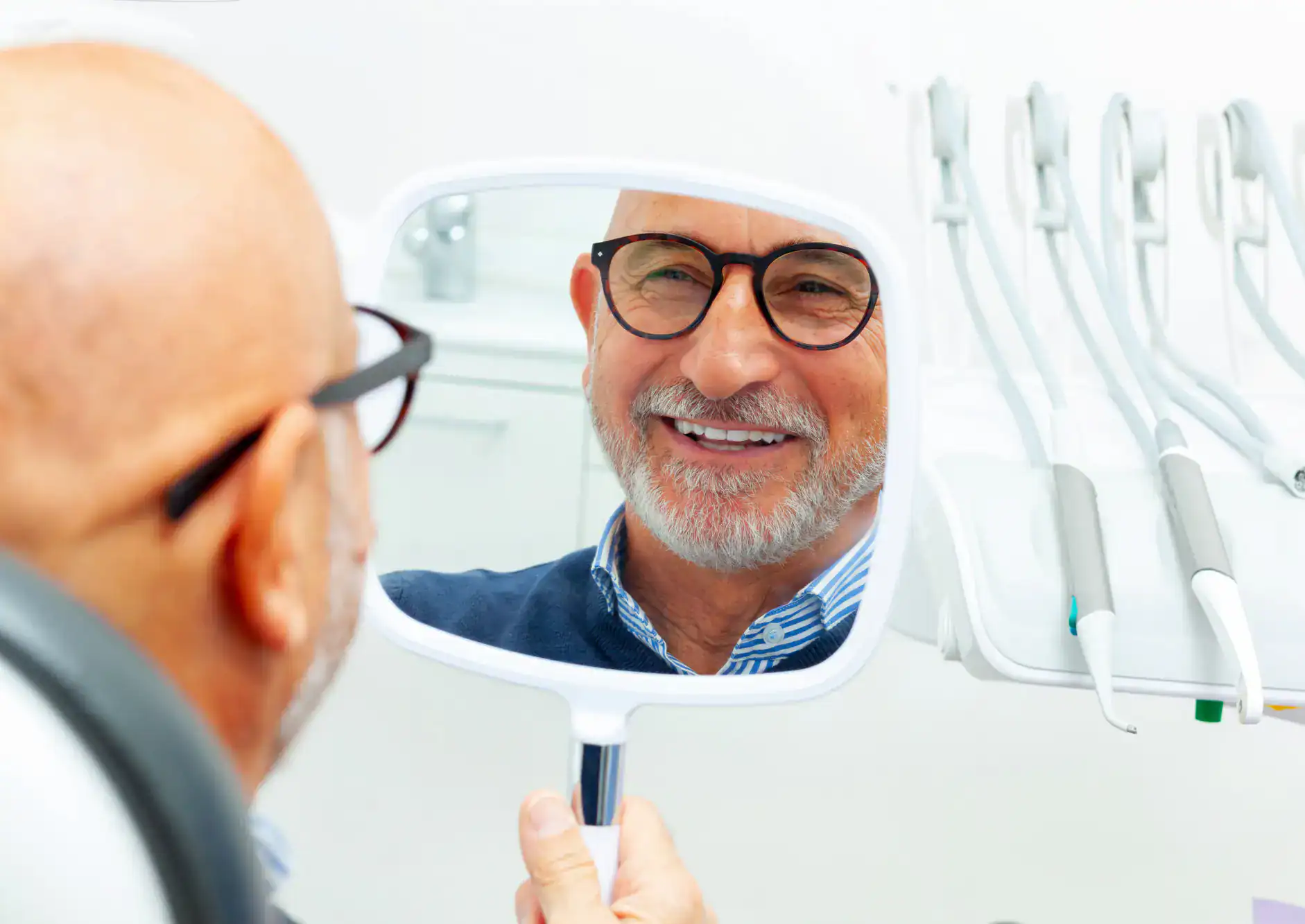
A missing tooth isn’t just a cosmetic problem. It’s a structural one. The moment a tooth is gone, the jawbone beneath it starts to shrink and the most significant loss happens in the first 18 months. A dental implant in Malden-on-Hudson, NY replaces that root with a titanium post, stops the bone loss in its tracks, and gives you a crown that looks, feels, and functions like the real thing.
For residents along Route 9W in Malden-on-Hudson, this matters in practical terms. A lot of the work done in and around this area trades, construction, outdoor labor puts real wear on your body, and your teeth are no exception. Missing a molar doesn’t just affect how you look. It changes how you chew, shifts the load onto your other teeth, and quietly causes problems you won’t notice until they’re harder to fix. Permanent teeth replacement in Malden-on-Hudson, NY through a titanium post addresses all of that not just the visible gap.
The neighboring teeth matter too. When there’s nothing holding the space, the teeth on either side start to drift. Over time, that shifting creates bite problems, uneven wear, and sometimes additional tooth loss. Getting a dental implant crown in Malden-on-Hudson, NY fills the gap, keeps everything in place, and protects the teeth you still have. That’s the real outcome not just one tooth back, but the rest of them staying where they belong.
Dr. Scott Kupetz has been practicing dentistry in the Hudson Valley since 1988. He graduated from Fairleigh Dickinson College of Dental Medicine and has spent over three decades building a single-doctor practice where the person who answers your questions is the same person who places your implant and delivers your final crown.
For patients coming from Malden-on-Hudson and the surrounding Saugerties area, that consistency matters. In a hamlet where neighbors actually know each other, you want to know exactly who’s treating you. There’s no associate rotation here, no wondering which doctor you’ll get. We handle the full process consultation through final restoration under one roof, which means your care stays connected from start to finish.
We also offer sedation options for patients who have been putting off care because the idea of implant surgery feels overwhelming. That’s more common than most people admit, and it’s never judged here.

It starts with a consultation. We look at your bone density, the condition of the surrounding teeth, and your overall oral health to figure out exactly what you’re working with. If there’s been significant bone loss which is common in patients who lost a tooth years ago a bone graft may be needed before the implant can be placed. That gets discussed upfront, not after the fact.
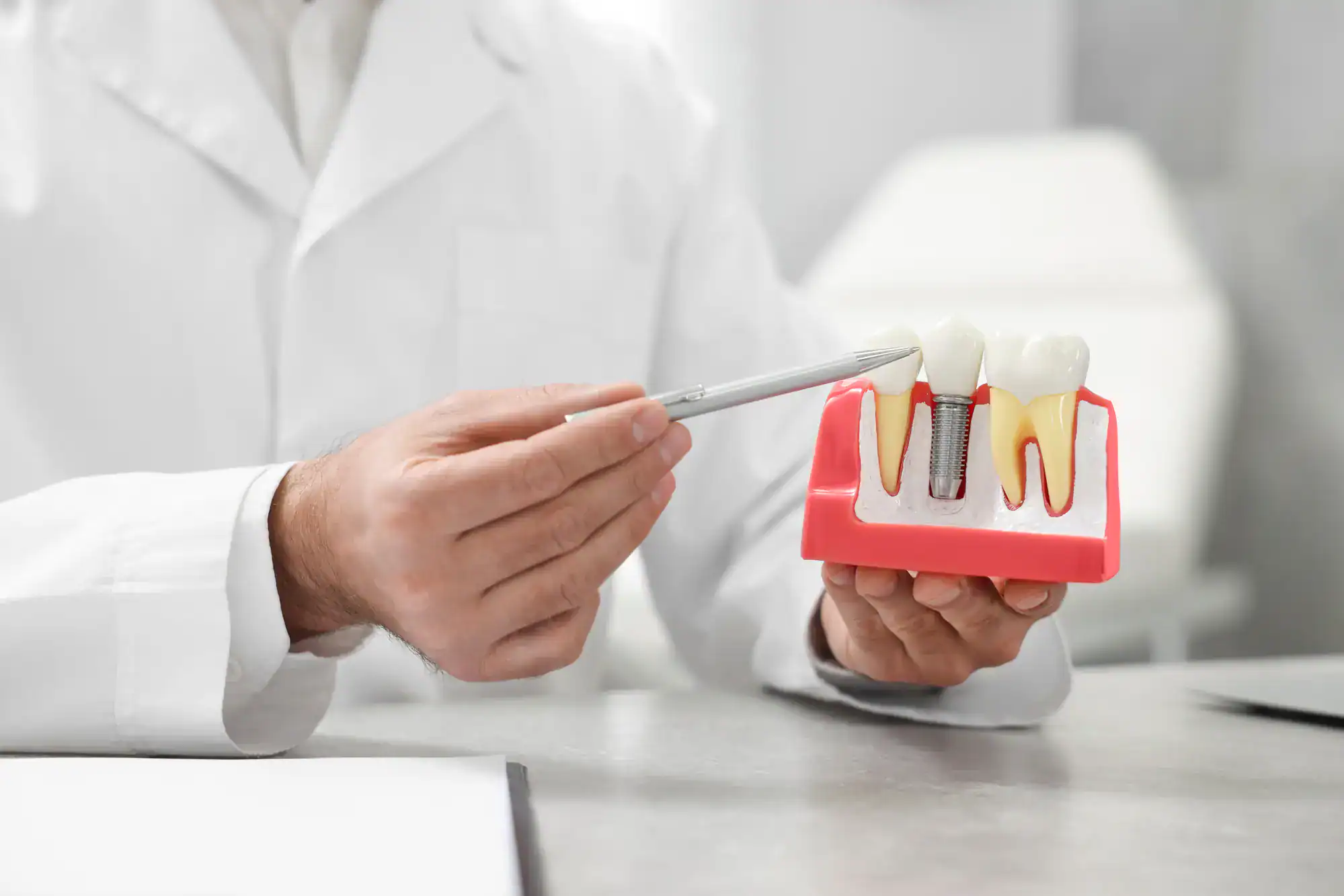
Once you’re cleared for placement, the titanium post goes in. This is the part most people dread, but with sedation available, the majority of patients are surprised by how manageable it actually is. The post then goes through a healing period typically a few months where it fuses with the jawbone in a process called osseointegration. This is what makes the implant stable enough to function like a real tooth root.
After the post has integrated, an abutment is attached, and then the final crown is placed on top. The crown is matched to your surrounding teeth in shape and color. When it’s done, it looks like a tooth. It chews like a tooth. And unlike a bridge, it doesn’t require touching the healthy teeth on either side. For patients traveling in from Malden-on-Hudson, every step happens at one location no specialist referrals, no driving across Ulster and Dutchess County.
Ready to get started?
The most common question patients from Malden-on-Hudson bring in is some version of: “Is an implant really worth it compared to a bridge?” It’s a fair question, and the honest answer depends on your situation but the comparison usually favors the implant when you look at the full picture. A single tooth implant versus a bridge in Malden-on-Hudson, NY comes down to this: a bridge requires permanently grinding down the two healthy teeth on either side of the gap to serve as anchors. Those teeth are altered forever. The bridge also provides no stimulation to the jawbone below, so bone loss continues. And most bridges need to be replaced within 5 to 10 years.
For patients dealing with multiple missing teeth or full-arch tooth loss, we also offer implant-supported dentures and All-on-4. All-on-4 uses four strategically placed implants to support a full arch of teeth no adhesives, no removal at night, no slipping. It’s a significant step up from conventional dentures, and for older residents in the Saugerties area who have been managing with dentures for years, it’s often the option that changes daily life the most.
We offer sedation dentist implant services in Malden-on-Hudson, NY for every procedure. If anxiety has been the reason you’ve been putting this off whether it’s been six months or six years we handle that here. The goal is to make sure the fear of the process doesn’t stand between you and a tooth that works.
A well-placed implant, properly cared for, can last decades often a lifetime. The global clinical success rate for dental implants sits around 96.9%, and All-on-4 procedures have a documented survival rate of 98.8%. Those come from long-term clinical studies tracking real patients over time.
What affects longevity most is bone quality at the time of placement, your oral hygiene habits afterward, and whether you’re dealing with any underlying conditions like gum disease or uncontrolled diabetes. For patients in Malden-on-Hudson who work in trades or physically demanding jobs which puts real wear on your body the implant itself is durable enough to handle normal chewing forces without issue. The crown on top may eventually need to be replaced after 15 to 20 years, but the titanium post typically stays put indefinitely.
Bone loss starts almost immediately after a tooth is extracted. The most significant deterioration happens in the first 18 months, but it doesn’t stop there it continues slowly for the rest of your life if the gap is never filled. The longer you wait, the less bone you have to work with, and the more likely it is that a bone graft will be needed before an implant can be placed. That adds time and cost to the process.
For residents of Malden-on-Hudson who lost a tooth a few years ago and have been managing without it, this is worth taking seriously. Tooth loss and bone loss in Malden-on-Hudson, NY changes the shape of your jaw over time, can affect how your face looks, and makes future implant treatment more complicated. Getting a consultation sooner rather than later gives you more options and a simpler path forward.
Not necessarily. Bone loss disqualifies far fewer patients than most people assume. Bone grafting has advanced significantly over the past decade, and many patients who were told years ago that they weren’t candidates are now able to get implants after a successful graft. The graft adds healing time typically several months before implant placement but it’s a well-established part of the process for patients who need it.
The only way to know for certain what you’re working with is a proper evaluation. We’ll look at your bone density, the condition of your gums, and your overall health before making any determination. Patients coming in from Malden-on-Hudson and the Saugerties area who have been living with missing teeth for years are often surprised to find out they’re still viable candidates. Don’t assume you’re out of options before you’ve had that conversation.
The core difference is what happens to the teeth around the gap. A bridge uses the two adjacent teeth as anchors which means those teeth have to be permanently filed down to support the bridge structure. They’re healthy teeth, and they’re being altered forever. On top of that, a bridge sits on top of the gum and doesn’t stimulate the bone underneath, so bone loss continues in that area. Most bridges also need to be replaced every 5 to 10 years, which means the long-term cost adds up quickly.
A dental implant replaces the root itself. The titanium post goes into the bone, the bone grows around it, and the crown on top functions like a natural tooth. The adjacent teeth are never touched. For patients in Malden-on-Hudson weighing a single tooth implant versus a bridge, the implant almost always makes more sense over a 20- to 30-year horizon both financially and in terms of preserving the surrounding teeth and bone.
Yes, we offer sedation for implant procedures. The most common option is oral conscious sedation you take a prescribed medication before your appointment, and by the time you’re in the chair, you’re deeply relaxed. You’re not fully unconscious, but most patients have little to no memory of the procedure afterward. You’ll need someone to drive you home, but the appointment itself is manageable in a way that surprises most anxious patients.
This is genuinely relevant for a lot of people in and around Malden-on-Hudson. Many residents have been avoiding the dentist for years sometimes a decade or more and the anxiety around implant surgery is real and common. It’s not unusual to walk into a consultation embarrassed about how long it’s been. That’s not judged here. We offer sedation dentist implant services in Malden-on-Hudson, NY specifically so that fear doesn’t keep you from getting a tooth that actually works.
A single dental implant including the post, abutment, and crown typically runs between $3,000 and $5,000 depending on your specific case. If a bone graft is needed first, that adds to the total. Full-arch solutions like All-on-4 are a larger investment, generally ranging from $20,000 to $30,000 per arch, though that varies based on the complexity of the case and what prep work is required beforehand.
We offer financing options, and we’ll walk you through what your insurance covers before any decisions are made. For patients in Malden-on-Hudson weighing the upfront cost against alternatives like bridges or dentures, it helps to think about the full timeline. A bridge that needs replacing every decade costs money each cycle and doesn’t stop the bone loss that eventually makes future treatment more expensive. An implant placed now, at a bone-healthy stage, is almost always less costly over a lifetime than managing the downstream consequences of a gap that never gets filled.
Other Services we provide in Malden-On-Hudson